G2000527 Aspects Of Human Physiology Question and answer
Human physiology is science of human body and especially the mechanisms and workings of it including those that support life.
- 92650+ Project Delivered
- 1500+ Experts 24x7 Online Help
- No AI Generated Content


- Introduction - G2000527 Aspects Of Human Physiology Question and answer
- Part A:
- Question 1. A. Describe Levels of Organisation in an Organism
- B. Place a tick in the appropriate box (arteries / veins / capillaries) that corresponds to the
- Question 2. Complete the table to identify the features of the digestive secretions
- Question 3. Complete the table to match the letters to the statements in relation to blood temperature control.
- Question 4. Endocrine Glands and Systems (400 Words)
- C. Differences between Endocrine and Nervous System Control
- Question 5.Efficient Gaseous Exchange and Oxygen Movement
- Part B: Question 1 and Question 3
- Question 1: Rate of Glucose Absorption
- Question 3: Negative Feedback in Water Balance
- a. Negative Feedback Diagram for Water Regulation
- b. Hormone and Water Regulation Post-Exercise
Introduction - G2000527 Aspects Of Human Physiology Question and answer
Human physiology is science of human body and especially the mechanisms and workings of it including those that support life. From individual cells to organs and organs systems the human body works like clockwork to achieve eloquent coordination. Knowledge of these systems is important in order to comprehend how body maintains health and how diagnosis of diseases takes place.
Fundamental to human body Fransa, are organ systems that co-ordinate in maintaining human life. For example, cardiovascular, respiratory and the digestive system work together to deliver oxygen and nutrients to the cells and to remove wastes. Physiological regulation, which is essential in human body, is the effort to maintain internal status constant in spite of modifications which occur. This helps to achieve proper cellular and organs’ performance.
This quiz tests understanding on the hierarchial organisation of human organisms; comparisons for blood vessels of different animals; and homeostasis. It also considers the process of absorption of glucose in the small intestine and the mechanisms of the negative feedback in water balance maintenance. Through these aspects, the assessment reconstructs the structural-functional characteristics of body functioning and adaptation.
Part A:
Question 1. A. Describe Levels of Organisation in an Organism
The human body is organised at different levels starting with one level forming the foundation of the next level. In unicellular, tissues or organisms, specialised cells work for particular jobs only. Individual units of cells are organised into tissues, e.g .muscles tissue or epithelial tissue and these tissues have specific functions (Ivanov, 2021). Organs in turn are as a result of the tissue groupings which perform specific duties such as the heart or lungs. Organs comprise organ systems like the digestive system, or the circulatory system that together maintains the entire body. Collectively, these levels help regulate body conditions, sustain life and establishes the dependencies between organism structure and function.
B. Place a tick in the appropriate box (arteries / veins / capillaries) that corresponds to the
features outlined below.
| Feature | Arteries | Veins | Capillaries |
| Narrow lumen diameter | ✓ | ||
| Fast rate of blood flow | ✓ | ||
| Involved in gaseous exchange | ✓ | ||
| Carries blood at low pressure | ✓ | ||
| Thick muscular walls | ✓ | ||
| Contain valves | ✓ |
Question 2. Complete the table to identify the features of the digestive secretions
| Nature of digestive | secretion Site of action | Enzymes or other secretions |
| Saliva | Mouth | Amylase, mucin, and water |
| Gastric Juice | Stomach | Pepsin, hydrochloric acid (HCl), mucus |
| Bile | Duodenum | Bile salts and pigments (no enzymes) |
| Pancreatic Juice | Duodenum | Amylase, lipase, protease, bicarbonate ions |
| Intestinal Juice | Small intestine | Maltase, sucrase, lactase, peptidase |
Question 3. Complete the table to match the letters to the statements in relation to blood temperature control.
| Statement | Letter |
| Negative feedback | A |
| Effectors carry out physiological changes | B |
| Blood temperature set point re-established | C |
| Blood temperature rises above 37°C | E |
| Temperature change detected by receptor organ | D |
Question 4. Endocrine Glands and Systems (400 Words)
A. Name Three Endocrine Glands and Identify Their Locations
The human body holds many glands, known as endocrine glands, which secrete hormones every crucial for keeping equilibrium and controlling a number of body procedures. Three major endocrine glands include the pituitary gland, thyroid gland and adrenal glands though they are located differently have different functions.
- Pituitary Gland: Also known as the hypophysis, the pituitary gland is found at the centre of the brain below the hypothalamus. This pea shaped gland is located in the central nervous system, within a covering known as the sella turcica and is attached to the hypothalamus by a structure known as the pituitary stalk. It consists of two main parts: The anterior and the posterior lobes which secrete distinct hormones in the body.
- Thyroid Gland: The thyroid gland is gland situated in the neck, at the level of the second and third tracheal rings, in front of the trachea and below the larynx, in the form of a butterfly. It coiled around the trachea is bi-lobed in structure with each lobe having an isthmus in between them (Kokocińska-Kusiak et al. 2021). This gland plays a crucial role in metabolism and proper functioning individual’s calcium level in the body.
- Adrenal Glands: The adrenal glands are two small triangle shaped glands located at the superior poles of each kidney. Each gland consists of two distinct regions: it has two parts: the adrenal cortex that secretes steriod hormones, and adrenal medulla that secrete catecholamines. These glands are involved in function response to stress and regulation of levels of electrolytes in the body.
B. Hormones Produced by Each Gland
These glands consist of different hormones which are so significant to the body mechanisms and balance all in all.
Pituitary Gland:
- The anterior lobe produces hormones such as:
Growth Hormone (GH): It acts as a growth promoting and cell replicative factor that controls metabolism and body composition.
Prolactin: Enhances secretion of milk production in suckling mothers.
Adrenocorticotropic Hormone (ACTH): It also encourages the adrenal cortex to secrete cortisol.
- The posterior lobe releases:
Oxytocin: It stimulates contractions of the uterus during birth and ejection of milk during suckling.
Antidiuretic Hormone (ADH): It assists in water balance because it enhances the reabsorption of water in the necessary part of the body, the kidney.
Thyroid Gland:
- Thyroxine (T4) and Triiodothyronine (T3): Sp.green glands regulate metabolism, heart pumping and heat regulation. T3 is the active form and T4 is the inactive transport form.
- Calcitonin: Decreases activity and reduces the absorption of calcium in bones in order to help stabilise blood calcium levels (Arents et al. 2021).
Adrenal Glands:
- Adrenal Cortex produces:
Cortisol: A steroid that is used in the general management of metabolism, inflammatory reactions and rallying the bodily systems against stress responsibilities.
Aldosterone: A steroid hormone that helps to keep blood pressure and levels of sodium and potassium in the body optimal.
- Adrenal Medulla produces:
Adrenaline (Epinephrine) and Noradrenaline (Norepinephrine): Epinephrine and norepinephrine that precede the stress response having direct effects on the heart rate, BP, and energy supply.
C. Differences between Endocrine and Nervous System Control
Endocrine and nervous system are two cooperative systems that coordinate the body’s functions and maintain balance. Even when they act in concert,there are marked dissimilarities in the affection mechanisms,speed of onset and duration of action.
- Mode of Communication:
The endocrine system utilises chemical signals called hormones that are set free directly into the bloodstream and get to their intended targets organs. On the other hand, the nervous system utilises electrical signals carried via neurons and the use of chemicals known as neurotransmitters hash out information between neurons at a feature called a synapse.
- Speed of Response:
The nervous system has high speed, and the degree of speed is in milliseconds.At this speed, it is possible to react instantly, for example, in response to reflexes. On the other hand, the endocrine system takes longer as it uses the chemical substances such as hormones which have to be transported in the blood stream to reach the target cells (Danku et al. 2022). It should be mentioned that the effects of hormones may appear in several seconds and hours, but are usually lasting.
- Duration of Action:
While the N.S therefore has short and local effects, which only continues when the signal conduction is ongoing, the endocrine system has long and distant effects.For instance, while the action of adrenaline that causes increased heart rate may only last for minutes, cortisol’s action on the metabolism may take hours.
- Specificity of Targets:
The nervous systems responses are much localised because it draws a clear connexion with the tissues or cells it needs to communicate with through neurons. While, hormones which are secreted by the endocrine glands affect the target organ and tissues at the same time having systemic effect.
- Functions Regulated:
The autonomic division of the nervous system is mainly involved with exercise of high speed as muscles, reflex arcs and sensory organs (Gough et al. 2021). This is especially relevant for voluntary activities and the first level of environmental changes. Conversely, the endocrine system governs sustained activities of human growth, development, reproduction, and metabolism.
- Feedback Mechanisms:
Both the endocrine and the nervous systems give signals in order to control their actions though the endocrine system makes a great use of negative feedbacks especially for hormonal stability (Leung et al. 2022). For instance, high levels of thyroxine block secretion of TSH from the pituitary gland, as indicated in the following figure.
In conclusion, endocrine system and the nervous system especially sympathetic and parasympathetic divisions are control and balance the body systems. The nervous system is well equipped for fast, local reactions to specific signals while the body has a control of long-term, general management of crucial physiological angiogenesis. Studying these systems’ disparities helps explain how they have interdependently operate to promote the various functions and flexibility of the human body.
Need a reliable Assignment Helper to boost your grades? We provide comprehensive academic support tailored to your needs, helping you achieve the results you deserve without the stress.
Question 5.Efficient Gaseous Exchange and Oxygen Movement
A. Identify Three Features of an Efficient Gaseous Exchange Surface
Efficient gaseous exchange surfaces exhibit:
- Large Surface Area: In lungs we find structures that utilise all the surface area like alveoli for exchanging gases.
- Thin Barrier: A thin epithelial layer is advantageous because the diffusion distance for oxygen and carbon dioxide is small.
- Rich Blood Supply: Such structures mean a continuous blood circulation to maintain the gradient used in oxygen and carbon dioxide exchange (Mansi et al. 2021).
These adaptations increase the rapidity with which gases diffuse across the cells, especially where factors of respiration and metabolism are a concern.
B. Trace the Movement of Oxygen
- Inspiration: Through the nose, air is inspired where it is warmed, humidified and purified.
- Pharynx and Larynx: The air goes down through pharynx and larynx and to trachea.
- Trachea to Bronchi: It then moves I the trachea divides into two bronchi that leads to each lungs.
- Bronchioles to Alveoli: Bronchi subdivide into smaller bronchioles which in turn open into alveoli.
- Gas Exchange in Alveoli: Oxygen moves across the alveolar wall into the pulmonry capillaries by simple diffusion, because of the difference in concentration of the gas on the two sides of the membrane (Han et al. 2021).
- Transport in Blood: Oxygen is transported by the blood in union with haemoglobin molecules attached to red blood cells.
Part B: Question 1 and Question 3
Question 1: Rate of Glucose Absorption
a. Define ‘Rate of Absorption of Glucose’
It can be said that the “rate of absorption of glucose” therefore explains how quickly glucose is transferred from the lumen (the cavity within the small intestine) into the body circulation procedure. This entire process takes place mainly on the villi and microvilli folds in the walls of the small intestine where glucose moves to the capillaries through either active or facilitated transport (Herman & Birnbaum, 2021). There is variation of this rate, depending on the concentration and accessibility of glucose in the lumen, the size of the absorptive surface, and the function of transport proteins. A bigger concentration gradient for example increases rate of glucose absorption because more glucose moves from the lumen to the blood. Furthermore, there is a possibility of rate variation due to length of the small intestines and other hormones/enzymes that do regulate digestion and intestinal absorption. Glucose has to be well absorbed to provide energy to cells in different organs of the body.
b. Graph Interpretation and Length Differences
According to the results of the experiment it can be stated that the pace of glucose absorption grows in proportion to the length of the small intestine. In comparing the above data on the 10 cm and 5 cm section of the intestine, all the figures revealed greater values of absorption in the longer piece at all the glucose concentrations. This trend indicates that and relative length of the intestine is important factors that determine how efficient glucose is absorbed. One longer segment gives the disadvantage of providing large absorbing surface due to increased villi and microvilli for the absorption of glucose. Thus, more glucose will be transported in the bloodstream from the lumen of the intestine, and body will get more glucose from it. The senses is that as the concentration of glucose increases the absorption rate also increases but the rise of rate is more in the long sections. The observations stress out again the crucial role of surface in nutrient absorption, most notably in the area of small intestine, which accounts for the bulk of nutrient consumption.
c. Small Intestine Adaptations for Glucose Absorption
The small intestine is well suited for glucose absorption for the following reasons with reference to the structural organisation of the small intestinal wall. First, the villi (small finger-like structures) elongate the organs, and also make the surface area as much as possible so that more of the substance to be absorbed can come in contact with the blood stream secondly, microvilli on the surface of some epithelial cells elongate the absorbing surface. It was also an advantage of a large surface area which increase contact between the intestinal contents and the absorptive cells hence increased glucose absorption. Second, the epithelial cells of the villi also possess active glucose facilities like SGLT-1, which is sodium-glucose co transporter that transports glucose from lamina propria into the blood. Third, there will always be availability of blood by the capillary network, which facilitates quick clearance of glucose out of the small intestinal lumen and helps to maintain a gradient favouring further absorption of glucose (Salehinejad et al. 2021). On the other hand, it can also be said that, Last but not the least, the suckling of amino acids and cysteine by HCl and the presence of enzymes like amylases within the stomach also guarantees the breakdown of carbohydrates like glucose into simpler subunits like glucose before it can be absorbed into the small intestine.
d. Other Factors Influencing Glucose Absorption (200 Words)
Two essential other factors which can alter the rate at which glucose gets absorbed include enzymic activity and intestinal peristalsis.
Enzyme Activity: Digestive enzymes significantly contribute to breaking of complex carbohydrates into glucose in an efficient manner. When there is a defect in the activity of enzymes, for instance, a low production of amylase, there is a slow breakdown of carbohydrates and consequently low levels of glucose absorption. Coordinated high enzyme activity enhances the levels of glucose in the small intestines so as to encourage absorption rate. Different factors like diet, genetic inequality, health problems like lactose intolerance, or celiac disease may influence enzymes or glucose.
Intestinal Motility: The rate which the food passes through the small intestine also influences glucose uptake by the body. When motility is high (peristaltic movement) there is likelihood that glucose does not remain long enough in absorption channels before it is transported even further down the gut (Bhargava et al. 2021). On the other hand, slow motility causes delayed absorption as well as discomfort. This might be due to conditions such as IBS or gastroparesis; these conditions means that the motility is abnormal in some way so the rate of glucose absorption might be affected.
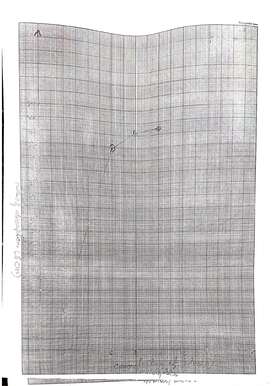
Figure 1: Rate of absorption of glucose from a 5cm long section of small intestine
(Source: self-created)
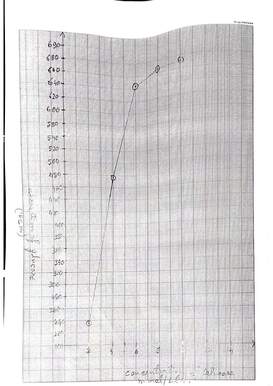
Figure 2: Rate of absorption of glucose from a 10cm long section of small intestine
(Source: self-created)
Question 3: Negative Feedback in Water Balance
a. Negative Feedback Diagram for Water Regulation
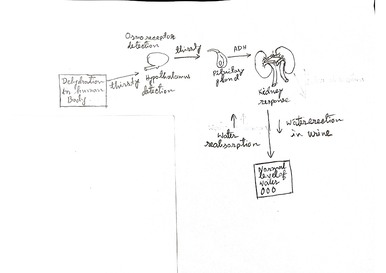
Figure 3: A negative feedback loop maintains constant water levels in the blood.
(Source: self-created)
b. Hormone and Water Regulation Post-Exercise
The hormone that plays the central role in regulating concentration gradients of water in blood is called antidiuretic hormone or vasopressin. ADH is secreted by the hypothalamus, synthesised and released from the posterior pituitary gland. The secretion of ADH resigns a rather specific function to regulate water balance in the organism, particularly after such states as exercise in a hot, dry climate, in which organism loses considerable amounts of water through sweating.
Sequence of Events:
Sweating and Water Loss: When a person exercises in a hot dry environment the body produces sweat in order to regulate its temperature. Sweat is mainly water but it also has salts and some electrolytes as well
Recurring to exercising the body loses a lot of water; thus, the overall general volume of the blood is reduced and the concentration of solutes especially the sodium in the blood increases.
Osmoreceptors Detect Changes in Blood Concentration: There is rise of blood solute concentration or hypertonicity which is sensed by a specific category of cells called osmoreceptors present in hypothalamus. These receptors respond to osmotic pressure of the blood in order to maintain a stable activity regarding water.
Activation of ADH Release: Whenever the hypothalamus has detected an increase in blood osmolarity it triggers signals that leads to the release of ADH into the blood stream through the posterior pituitary gland. It is a peptide hormone that works in regard to the renal water reabsorption hence help in attaining a balance of water in the body (Paloschi et al. 2021).
ADH Action on the Kidneys: ADH is transported through the blood stream to the kidneys but, it has its main effect on the distal convoluted tubules, and collecting ducts of the nephron. ADH acts on specific receptors present on the cells lining these structures known as V2 receptors, this activates the cell to infuse aquaporins (water channels) into its membrane. These channels permit more water to be returned back to the filtrate in the blood stream, thus minimising water loss through urine and make the urine more concentrated.
Reduction in Urine Output: When reabsorption of water is raised to stiff levels, the quantity of urine formed is cut down and it becomes denser. It aids in conservation of water in the body something that is very important especially after an individual has lost a lot of body water through sweat. The concentrated urine is as a result of the efforts of the body to conserve water for use in the body to enable to meet its water balance requirements.
Thirst Mechanism Activation: Simultaneously with the release of the hormone ADH, the body sets up the thirst centre. The hypothalamus also becomes regulatory to detect that osmolarity is high and triggers the brain to give the signal that forces thirst. This serves to force the particular person to look for and consume fluids apart from assisting in water balance restoration.
Return to Homeostasis: Thus, the person consumes fluids which leads to the rise in the blood volume of water, and, therefore, in the osmolarity rate is decreased. When osmolarity of the blood is high or normal, the secretion of ADH decreases, the kidneys functions properly and start passing normal volumes of dilute urine. This guarantees that the obligatory fluid balance is achieved so that during, for instance, training and sweating the levels can be elevated to accommodate the deficit.
Restoration of Fluid Balance: In due course, since free fluids replace the depleted fare, the body comes into balance as far as fluids and electrolytes are concerned. The kidneys still help to philtre the blood and carry on the reabsorption of water while in circulation, the level of ADH in the blood reduces because the osmolarity of the blood returns to a standard level (Rahman et al. 2021).
Therefore, the manner in which water amounts are controlled in the blood during exercise in a hot dry environment includes ADH and osmoreceptors and kidneys as well as the stimulation of thirst. These physiological responses are summed up to help the body to maintain homeostasis by helping it retain water and avoid losing excess. This mechanism is essential mainly for the existence of organic beings and is especially well-developed in conditions of the environment.
Conclusion
The present report analysed different areas of human pull with a special focus on such aspects of physiological processes that make human existence possible. The relative population of tissues, cells and organelles represent tissue organisation, organ, organ system, organ level, and molecular level organisation; all of which is a manifestation of the structural and functional integration that is vital for the overall body homeostasis. Relative processes including absorption of glucose in the small intestine and regulation of water in the hormonal way prove flexibility of the human organism and its ability to respond various metabolic needs and ecological conditions.
The comparison of arteries, veins and capillaries reveals on the basis of the structural differences that variations are necessary because each structure has to perform unique functions, including blood circulation and gaseous exchange. Besides, the flexibility of small intestine for nutrient absorption and the steady regulation of the long-lived physiological processes of the endocrine system are the excellent examples of efficiency of this body. Nevertheless, the provided purpose of the integration of the nervous and endocrine systems with different mechanisms contributes to the effective response to internal and external stimuli.
Knowledge of these physiological processes is a source of health enhancement and disease prevention. This is and should remain a clear evidence that health and its related phenomena cannot be studied randomly but as systems of organs, each of which bears its urgent relation to the whole and which cannot exist in isolation from the whole. Thus, in addition to illustrating the extensive complexity of human body, this report raises awes inspiring issues about its capacity to withstand environmental fluctuations, to maintain and control life functions.
Reference List
Journals
- Arents, J., Abolins, V., Judvaitis, J., Vismanis, O., Oraby, A. and Ozols, K., 2021. Human–robot collaboration trends and safety aspects: A systematic review.Journal of Sensor and Actuator Networks,10(3), p.48.
- Ben‐Dor, M., Sirtoli, R. and Barkai, R., 2021. The evolution of the human trophic level during the Pleistocene.American journal of physical anthropology,175, pp.27-56.
- Bhargava, A., Arnold, A.P., Bangasser, D.A., Denton, K.M., Gupta, A., Hilliard Krause, L.M., Mayer, E.A., McCarthy, M., Miller, W.L., Raznahan, A. and Verma, R., 2021. Considering sex as a biological variable in basic and clinical studies: an endocrine society scientific statement.Endocrine reviews,42(3), pp.219-258.
- Bohn, T., Bonet, M.L., Borel, P., Keijer, J., Landrier, J.F., Milisav, I., Ribot, J., Riso, P., Winklhofer-Roob, B., Sharoni, Y. and Corte-Real, J., 2021. Mechanistic aspects of carotenoid health benefits–where are we now?.Nutrition Research Reviews,34(2), pp.276-302.
- Danku, A.E., Dulf, E.H., Braicu, C., Jurj, A. and Berindan-Neagoe, I., 2022. Organ-on-a-chip: a survey of technical results and problems.Frontiers in bioengineering and biotechnology,10, p.840674.
- Flanagan, A., Bechtold, D.A., Pot, G.K. and Johnston, J.D., 2021. Chrono‐nutrition: from molecular and neuronal mechanisms to human epidemiology and timed feeding patterns.Journal of neurochemistry,157(1), pp.53-72.
- Gough, A., Soto-Gutierrez, A., Vernetti, L., Ebrahimkhani, M.R., Stern, A.M. and Taylor, D.L., 2021. Human biomimetic liver microphysiology systems in drug development and precision medicine.Nature reviews Gastroenterology & hepatology,18(4), pp.252-268.
- Han, J., Kiss, L., Mei, H., Remete, A.M., Ponikvar-Svet, M., Sedgwick, D.M., Roman, R., Fustero, S., Moriwaki, H. and Soloshonok, V.A., 2021. Chemical aspects of human and environmental overload with fluorine.Chemical Reviews,121(8), pp.4678-4742.
- Herman, M.A. and Birnbaum, M.J., 2021. Molecular aspects of fructose metabolism and metabolic disease.Cell metabolism,33(12), pp.2329-2354.
- Ivanov, P.C., 2021. The new field of network physiology: building the human physiolome.Frontiers in network physiology,1, p.711778.
- Kokocińska-Kusiak, A., Woszczyło, M., Zybala, M., Maciocha, J., Barłowska, K. and Dzięcioł, M., 2021. Canine olfaction: physiology, behavior, and possibilities for practical applications.Animals,11(8), p.2463.
- Leung, C.M., De Haan, P., Ronaldson-Bouchard, K., Kim, G.A., Ko, J., Rho, H.S., Chen, Z., Habibovic, P., Jeon, N.L., Takayama, S. and Shuler, M.L., 2022. A guide to the organ-on-a-chip.Nature Reviews Methods Primers,2(1), p.33.
- Mansi, S.A., Barone, G., Forzano, C., Pigliautile, I., Ferrara, M., Pisello, A.L. and Arnesano, M., 2021. Measuring human physiological indices for thermal comfort assessment through wearable devices: A review.Measurement,183, p.109872.
- Matson, V., Chervin, C.S. and Gajewski, T.F., 2021. Cancer and the microbiome—influence of the commensal microbiota on cancer, immune responses, and immunotherapy.Gastroenterology,160(2), pp.600-613.
- Paloschi, V., Sabater-Lleal, M., Middelkamp, H., Vivas, A., Johansson, S., van der Meer, A., Tenje, M. and Maegdefessel, L., 2021. Organ-on-a-chip technology: a novel approach to investigate cardiovascular diseases.Cardiovascular research,117(14), pp.2742-2754.
- Peighambardoust, S.H., Karami, Z., Pateiro, M. and Lorenzo, J.M., 2021. A review on health-promoting, biological, and functional aspects of bioactive peptides in food applications.Biomolecules,11(5), p.631.
- Prati, E., Peruzzini, M., Pellicciari, M. and Raffaeli, R., 2021. How to include User eXperience in the design of Human-Robot Interaction.Robotics and Computer-Integrated Manufacturing,68, p.102072.
- Raheem, H.A., Alsailawi, H.A., Abdulrasool, M.M., Mudhafar, M., Dhahi, S.J., Ayat, S.S., Mohammed, R.K. and Shawkat, S., 2022. Protective role of Salvia officinalis silver nanoparticles on some physiological and histological aspect in bisphenol a treated female rat.World Journal of Advanced Research and Reviews,14(1), pp.400-410.
- Rahman, M.M., Sarkar, A.K., Hossain, M.A., Hossain, M.S., Islam, M.R., Hossain, M.B., Quinn, J.M. and Moni, M.A., 2021. Recognition of human emotions using EEG signals: A review.Computers in biology and medicine,136, p.104696.
- Salehinejad, M.A., Wischnewski, M., Ghanavati, E., Mosayebi-Samani, M., Kuo, M.F. and Nitsche, M.A., 2021. Cognitive functions and underlying parameters of human brain physiology are associated with chronotype.Nature Communications,12(1), p.4672.
- Xiao, H., Cai, H. and Li, X., 2021. Non-visual effects of indoor light environment on humans: A review✰.Physiology & Behavior,228, p.113195.