
Transgenic Effects Gut Microbiome Review Assignment Sample
This comprehensive analysis investigates transgenic crop effects on gut microbiome diversity, examining bacterial population shifts, metabolic changes, and potential health implications for human consumers
- 92650+ Project Delivered
- 1500+ Experts 24x7 Online Help
- No AI Generated Content


- Chapter 1: Introduction of Transgenic Effects Gut Microbiome Review Assignment
- 1.1 Background of study
- 1.2 Problem Statement
- 1.3 Research Aim and Objectives
- 1.4 Research Questions
- 1.5 Hypothesis
- Chapter 2: Background
- 2.1 Overview of Gut Microbiome and Health
- 2.2 Transgenic Potatoes and their potential impact
- 2.3 GMO Foods and Gut Microbiota
- 2.4 Research Gaps
- Chapter 3: Methodology
- 3.1 Research Philosophy
- 3.2 Research Methods
- 3.3 Research Approach
- 3.4 Research Design
- 3.5 PICO Framework
- 3.6 Prisma Model
- 3.7 Inclusion Criteria and Exclusion Criteria
- 3.8 Data Collection Method
- 3.9 Research Ethics
- Chapter 4: Findings and Analysis
- 4.1. Introduction
- 4.2. Secondary Analysis
- 4.3. Discussion of Findings
Chapter 1: Introduction of Transgenic Effects Gut Microbiome Review Assignment
1.1 Background of study
GMOs refers to genetic alteration through biotechnology. It genetically modified to produce to improve the qualities like pest resistance, yield and the nutritional quality of the crop. In agriculture, to introduce such crops revolved on the creation of transgenic crops including potato with disease resistance to reduce chemical use in agriculture, which among them are pesticides as a means of improving food security (Yali, 2022). A gut microbiome can also refer to the biota of microbes that inhabit an organism’s gastrointestinal tract. It has identify that involved these functions as digestion, metabolism and the body’s immunity. The recent studies advice, diet has observed to impact gut microbiota and GMOs (Rakhshani, and Wight, 2023). This paper aims to present a literature review that points out that diet is among the key factors that determine the gut microbial community’s structure, composition, and functionality. Due to the presence of bioactive compounds, antimicrobial peptides, or resistant starches in GMOs such as transgenic potatoes, it may affect the gut microbiota beneficial microbes in addition to pathogenic bacteria and thus improve gut health and immunity (Anjum et al. 2021). Although, the specific literatures on the effect of transgenic potatoes mainly to their direct influence on gut microbiota and pathogen resistance particularly in the role of gut health and immunity to food borne pathogens.
Say goodbye to academic pressure! New Assignment Help is your go-to partner for expert-level Best Assignment Help in the UK.
1.2 Problem Statement
The gut microbiota is responsible for digestion and metabolism of the nutrients for the immune system and the diet directly affects it. Numerous studies have demonstrated the agricultural and nutritional advantages of GMOs, but there is no clear information about the effects of those technologies for the composition of gut microbiota and inoculation against the bacteria. It focuses on transgenic potatoes that is a health issue in producing countries and by doing so it will help in understanding how transgenic potatoes affect the health of the gut. There are many GMfoods which had been investigated for its impact over gut health, majorly in animal test models. Bt toxin in GM maize has potential to change the relationship of gut bacteria whereby the bacterial diversity is affected. Sale of GM soy can affect inflammation in the digestive system (Adetunji et al. 2022). There is evidence also that the GM rice which has been enhanced with antimicrobial peptides could help in the development of bacteriocin-producing gut microbiota.
1.3 Research Aim and Objectives
Aim
The aim of this study is to determine effects of transgenic potatoes on gut microbiome and the potential to inhibit the pathogenic bacteria’s Salmonella enterica and Listeria monocytogenes.
Objectives
- To evaluation on how the development of transgenic potatoes affects the gut microbial composition and their efficiency.
- To identify the impact on immune defense also resistance against foodborne microorganisms.
- To compare between the effects of the transgenic potatoes, other GMOs, and dietary fibers in relation to the gut microbiota.
1.4 Research Questions
- How do GMO potatoes affect the human gut metabolism and microbial activity?
- What is the effect of GMO potatoes on the immunological resistance system against pathogens?
1.5 Hypothesis
H0: The consumption of the transgenic potato has no beneficial effects on the gut microbiota.
H1: This consumption of the transgenic potato has a positive impact on the gut microbiota.
Chapter 2: Background
2.1 Overview of Gut Microbiome and Health
The gut microbiome is a diverse community of the complex microorganisms that is essential for physiological and immunological function in relation to their own digestive and metabolic systems. This is because it enables the utilization of complex carbohydrates, synthesis of vitamins and immunity against pathogenic agents. It however indicate that an imbalance developed gut microbiota is found in obesity, diabetes and inflammatory bowel diseases (Gomaa, 2020). Some of the causes are antibiotics, stress along with an adverse diet. In many ways, diet will determine composition and therefore, fiber diets will benefit the useful bacteria while other diets, which are process usually, benefit the harmful bacteria. This understanding assists one in coming up with some strategies for diet that is based upon the role played by GMOs.
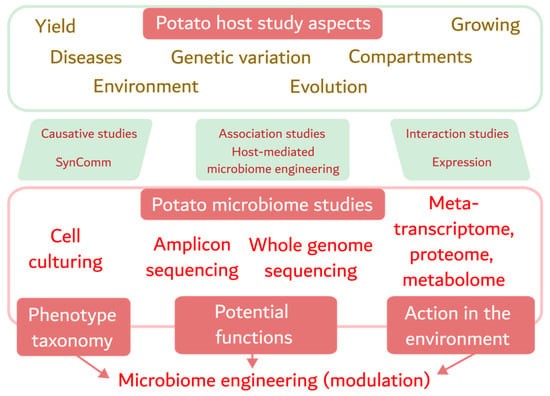
Figure 1: Potato Microbiome Study
This diagram centers upon some features of transgenic potato research involving the host attributes which include yield, variations, and disease. It also describes the study on potato microbiome through sequencing, Meta Genomics, Meta-Transcriptomics and the culturing of cells. These studies support microbiome engineering and health management of the inner gut and resistance to pathogenic microbes.
2.2 Transgenic Potatoes and their potential impact
These Transgenic Potatoes are develop biotechnologically. They are required to possess good traits such as disease resistance and improved nutritional quality. These techniques allow the potential of increasing the resistance to specific diseases of the potatoes leading to the decrease in use of chemical based pesticides on potatoes, used to modify the potatoes to increased nutritional value (Raspor, and Cingel, 2021). This also could lead to the alterations in the composition of the secondary metabolites, which in turn may alter the gut bacteria. This study is on some genetic changes in potatoes are related to the changes of the gut microbiome and further changes in microbial richness which leads to changes in potatoes ability to suppress pathogens including Salmonella enterica and Listeria monocytogenes.
2.3 GMO Foods and Gut Microbiota
Several experimental researches have focused on the impact of GMO foods on gut microbiota. Vernocchi et al. 2020). A number of experimental investigations have reported the effects of GMO foods for gut microbiota considering alterations in the microbial richness and composition, as well as shifts in microbial functions (Gupta et al. 2022. Therefore, GM maize containing Bt toxin influences the bacterial communities, GM soy changes the molecular inflammation markers in the stomach, intestines, and microorganisms; GM rice containing antimicrobial peptides influences the balance of gut microbiota and thus, digestion, immunity, and general health may be affected. The other studies that recommend that genetic modification of crops usually influences microbial richness and abundance but it does it minimally and lasts for a shorter period (Wu et al. 2019). There are not many researchers conducted on transgenic potatoes concerning the gut microbiota and resistance to pathogens (Adetunji et al. 2022). .
2.4 Research Gaps
While previous research had explore at which diets affect gut microbiota, a good number of research had asked if GMO potatoes is affect gut health or pathogen resistance (Krizkovska et al.2022). Therefore, this research has significance in addressing that gap to determine the GMO potatoes have either advantage or risk in the gut. The impact of transgenic potatoes on the gut microbiota as well as pathogen interactions is still poorly understood. Though there are numerous articles that describe how different diets affect the microbiome, few of them have investigated whether GMO potatoes have an effect on gut health. Previous studies are more inclined to stress the studies of stress resistance and food safety issues. Slight human trials focus on its effects as the majority of research are conducted on animals; more research is needed to comprehend the importance of the changes in the composition of microbiota and immunity.
Chapter 3: Methodology
3.1 Research Philosophy
In this research, the chosen method of research is the interpretivist one since this study seeks to determine the impact of transgenic potatoes on the gut microbiome and the immune system in both human beings and rats (Ashrafi et al. 2024). In this way, using existing materials of literature, the proposed approach helps develop further insights into multiple relationships, differences, and new trends within the GMO studies.
3.2 Research Methods
The secondary or qualitative research method is applied, and a synthesis of data collected from all the research done on the effects of transgenic potatoes on the gut microbiome immunity is made. Information will be obtained from peer-reviewed source databases, using the PICO parameters in order to locate the subject for the study. This approach helps in a comprehensive comparison between the results of the findings obtained from both human and animal studies.
3.3 Research Approach
The research approach chosen to review the impact of transgenic potatoes on the gut microbial and immune systems of human beings and rats is deductive, as the study gathers the information of previously published papers (Feng et al. 2024). This paper includes both published outputs of peer-reviewed journals of higher empirical research as well as experiments and clinical trials. CASP will be used in the assessment of quality, and PRISMA in the conduct of systematic data extraction and selection.
3.4 Research Design
This study follows the deductive approach in this context as it suits the aim of the study in providing an exhaustive analysis of previous studies of transgenic potatoes on gut microbiota and immunity in humans and rats. So, the qualitative design has been followed here to accomplish the objective of the study. This systematic approach allows for control and proper identification, combination, and analysis of the data.
3.5 PICO Framework
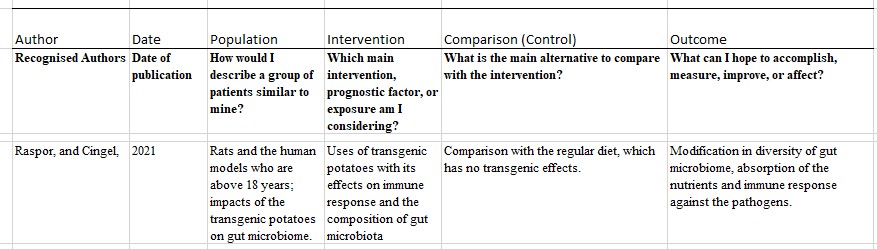
Table 1: PICO Framework
3.6 Prisma Model
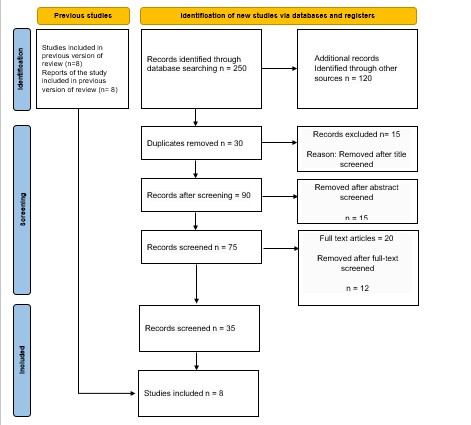
Figure 2: PRISMA Model
3.7 Inclusion Criteria and Exclusion Criteria
Inclusion Criteria
A literature review included in this work will leverage selected scientific articles that have examined the impact of transgenic potatoes on human microbiota and the immune system among the adult population and rats. This is the population and sampling approach to be used: Only research work published in the last five years will be used in this research (Chen et al. 2022). The research conducted must involve the selection of a clinical question that will follow the PICO mapping framework, which is quite helpful in organizing and evaluating questions. Finally, all the papers included should be in English in order to minimize differences in the interpretation of data, which may result from translations.
Exclusion Criteria
Articles that do not employ the PICO model will be excluded because data from such research will not be systematically and, thus, comparably organized. In addition, only articles that have been published in the last five years will be considered for review; this would help to capture most of the current innovations in transgenic food (Raspor, and Cingel, 2021). These will be excluded since they are not of high-quality research to give credibility to the study, while some may contain obvious errors due to failure to undergo the peer-review process available in other languages translation to English. Only entries published in empirical journal articles written in the English Language were included. There are a number of studies that were conducted by another researcher, some of which are unpublished, while others are published in languages other than English. Also, studies without approval or those that include unethical research will be excluded to ensure that the studies carried out are ethical.
3.8 Data Collection Method
This research approach is a secondary qualitative research that adopts a literature review method to gather information. The sources to be used will be scientific databases such as PubMed and Google Scholar to provide only quality research materials (Adetunji et al. 2022). Screening, identification, and inclusion of studies will all be done systematically with the help of the PRISMA checklist. In order to critically appraise the quality of the identified papers, the credibility and quality assessment tool, commonly referred to as CASP, will be used.
3.9 Research Ethics
The research has been done in line with all the ethical standards to increase its credibility and accuracy. Among those, ethical issues consist of sampling only research studies with ethical clearances for participants and animals involved in the study. Self-generated, human-subjects research must have complied with informed consent guidelines, while animal-based research must have followed the set animal research ethics. To minimize research bias and duplicate work, PRISMA checklists will be adopted in the research, and the review process will be conducted systematically.
Chapter 4: Findings and Analysis
4.1. Introduction
The gut microbiome is also known to modulate immune response, and as such, potential changes in the immune response may be attributable to changes in the gut microbiome as a result of the resistant starch from transgenic potatoes. This work attempts to look at the impact of resistant potato starch and resistant starch type 4 in relation to microbial profile change, short-chain fatty acids, and gene expression manipulation. Therefore, microbiota-pharmacotherapy holds a promising approach for the regulation of the gut. From the synthesis of the data in this paper, this chapter examines how this kind of potato brings about changes in gut bacteria, immunological differences, and disease prevention, especially to the human and animal diseases causing pathogen.
4.2. Secondary Analysis
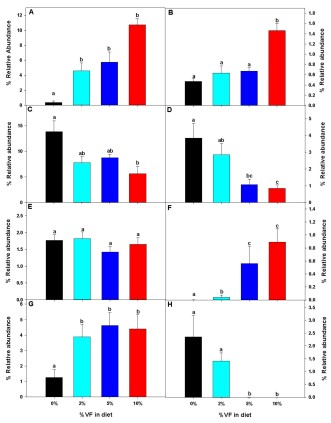
Figure 3: Comparison among different groups
The present investigation focused on examining the effects of resistant starch type 4 (RS4), known as Versafibe, chemically modified potato starch on gut microbiota and gene profile in mice. The animals were fed with Total Western Diet for six weeks, which mimics the NHANES data. Afterward, they were supplemented with scooters “0%, 2%, 5%, and 10% for another three weeks”. The study indicated that VF supplementation enhanced butyrate synthesis while decreasing the synthesis of branched-chain SCFAs. The analysis of the microbiome profile showed that the alpha microbiota diversity was reduced with those consuming 10% VF; based on the beta microbiota analysis, it was seen that the microbiota composition of 5% and 10% VF groups were significantly different from the control group. Mean relative variations regarding the ‘10% VF group’ were the most significant. Comparing cecal and distal colon gene expression, CE-MS analysis demonstrated that changes in gene expression values were higher in the cecum, and the 10% VF group had more altered genes (Smith et al. 2024). However, the changes in the gene expression were not as profound as when the mice were supplemented with native potato starch. That is why the current study has demonstrated that RS4 alters gut microbiota composition of the colon and its gene expression.
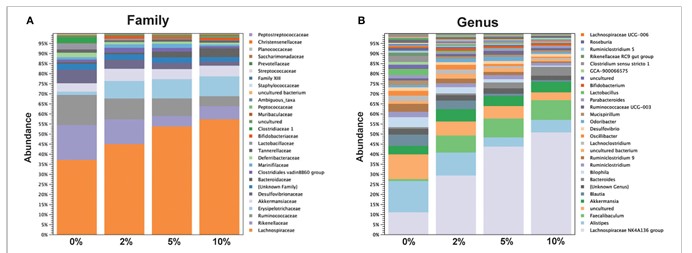
Figure 4: Stack plots show the relative abundance of taxa
This research sought to investigate the impact of “RS2; RPS on gut microbial composition and gene expression” of mice fed with a diet similar to the human diet. The first seventy-two mice were given TWD that was previously developed according to the NHANES survey for six weeks; then, they received ‘0%, 2%, 5%, and 10% RPS supplement’ for another three weeks. In the context of the study, the type of analysis employed for the cecal microbiome was the 16S, as for the gene expression analysis; RNASeq was applied across segments of the colon. Overall, the analysis indicated that higher RPS intake led to a decrease in alpha-biodiversity of the microbiota. In addition, the biphasic distinction of the beta-diversity plot suggests that microbes at different RPS levels are significantly different. The proportional composition of several taxonomic groups of microbes changed; most evidently, there was an increase in the abundance of ‘Lachnospiraceae NK4A136’. The targets for the development of differentially expressed genes were the highest in the cecum, downregulating towards the proximal and distal colon. Both tissues had distinct genes activated with very little being expressed in both tissues (Smith et al. 2022). It is evident from the study that there is a shift in the ‘microbiome’ due to RPS, which then helps the host’s immune system to prepare for an attack from various paths that include viruses, bacteria and parasite attack.
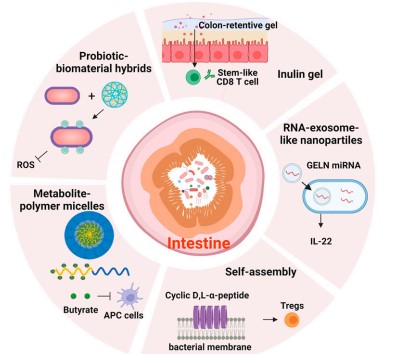
Figure 5: Technology used for engineered oral formulations
They specifically give a message that gut microbiota, especially in the colon, plays an essential role in managing the immune system of the host. One of the diseases associated with dysbiosis is the condition that affects the immune system, hence demands for the development of drugs capable of treating the imbalance in gut microbiota. The review aimed at discussing the new approach that deals with the oral delivery system for the management of bacterial dysbiosis and immune system regulation. The strategies discussed include the modification of probiotics through genetic engineering, the use of hybrid probiotics, fibers, the consumption of microbial products, peptides and RNA, and antibiotics. These engineered formulations have evidenced positive results during the preclinical analysis and actualized drastic effects on the gut microbiome and the immune system (Han et al. 2024). Such approaches are currently designed with the purpose of employing them in the search for new treatment options for cancer, autoimmune diseases, and allergies. The authors focus on the current microbiome-directed treatment strategies and targeted studies of immune system regulation and restoration
4.3. Discussion of Findings
The reviewed articles contain valuable information regarding the effects of RS and microbiome-targeted therapies on the gut and immune systems, which can, therefore, be regarded as relevant to the general context of transgenic potatoes and their impact on the gut microbiome against pathogens. The first research showed that RS4, which is a chemically modified potato starch, modulates the gut microbiome and enhances SCFA, especially butyrate. In the study on the second type of resistant potato starch (RPS, RS2), it was evident that dietary supplementation of this starch affected the composition and gene related to the sections of the colon, especially the cecum. As in the case of the two studies mentioned above, resistant starch, including potato based resistant starch, impacts microbial composition in a way that can affect the immune outcomes. The third study in this regard expands on this concept further by talking about new therapies addressing the microbiome of patients using probiotics, dietary fibers, and oral engineered formulations (Zhu et al. 2024). These alter the microbiome and lessen or increase the immune response, showing possibilities of diseases caused by an imbalance in microbiome. These findings collectively state about the possibility of modifying gut microbiota by consuming the transgenic potatoes having improved resistant starch properties to regulate SCFAs synthesis and immune cells metabolism as well which may provide new window to attack the pathogens by using dietary management.
Conclusion
It can be concluded that resistant starch from potatoes influences the gut microbiota, enhances SCFAs release and its gene expression. Such changes may improve immune response and make the host more vulnerable to pathogens to an extent. According to the synthesis of the literature, it is possible to use dietary resistant starch as an influencing factor on the microbiota. There is, therefore, a need for the development of further research to create transgenic potatoes with better resistant starch properties to benefit the gut. As a result, information regarding these effects equates to the development of novel interventional nutrition and immune-modulating schemes focused on the microbiome, which highlights the importance of microbiota-targeted treatment in regulating human health and disease.
Reference List
Journal
- Adetunji, C.O., Akram, M., Michael, O.S., Ubi, B.E., Olaniyan, O.P., Zahid, R., Bodunrinde, R.E., Ansari, R., Adetunji, J.B., Imtiaz, A. and Roli, O.I., 2022. Genetically Modified and Wild Potatoes: Depository of Biologically Active Compounds and Essential Nutrients. Agricultural Biotechnology, pp.385-407.
- Anjum, M.A., Ashfaq, M., Haider, M.S., Arshad, M., Javed, M.A., Rasool, B., Shafiq, M. and Mubashar, U., 2021. BARLEY CHITINASE GENE CONFERS RESISTANCE AGAINST FUSARIUM OXYSPORUM AND ALTERNARIA SOLANI IN TRANSGENIC POTATO AK-22.
- Ashrafi-Dehkordi, E., Alborzi, A., Pouladfar, G., Abbasian, S.A. and Mazloomi, S.M., 2024. Effects of genetically modified soybean on physiological variables and gut microbiota of Sprague-Dawley rats. PloS one, 19(12), p.e0311443.
- Chen, K., Wei, X., Kortesniemi, M., Pariyani, R., Zhang, Y. and Yang, B., 2022. Effects of acylated and nonacylated anthocyanins extracts on gut metabolites and microbiota in diabetic Zucker rats: A metabolomic and metagenomic study. Food Research International, 153, p.110978.
- Chen, Z., Liang, N., Zhang, H., Li, H., Guo, J., Zhang, Y., Chen, Y., Wang, Y. and Shi, N., 2024. Resistant starch and the gut microbiome: Exploring beneficial interactions and dietary impacts. Food Chemistry: X, 21, p.101118.
- Feng, H., Cheng, B., Lim, J., Li, B., Li, C. and Zhang, X., 2024. Advancements in enhancing resistant starch type 3 (RS3) content in starchy food and its impact on gut microbiota: A review. Comprehensive Reviews in Food Science and Food Safety, 23(3), p.e13355.
- Gomaa, E.Z., 2020. Human gut microbiota/microbiome in health and diseases: a review. Antonie Van Leeuwenhoek, 113(12), pp.2019-2040.
- Gupta, P., Andankar, I., Gunasekaran, B., Easwaran, N. and Muthukaliannan, G.K., 2022. Genetically modified potato and rice based edible vaccines–an overview. Biocatalysis and AgriculturalBiotechnology,43,p.102405.
- Han, K., Xu, J., Xie, F., Crowther, J. and Moon, J.J., 2024. Engineering strategies to modulate the gut microbiome and immune system. The Journal of Immunology, 212(2), pp.208-215.
- Krizkovska, B., Viktorová, J. and Lipov, J., 2022. Approved genetically modified potatoes (Solanum tuberosum) for improved stress resistance and food safety. Journal of Agricultural and Food Chemistry, 70(38), pp.11833-11843.
- Obanda, D.N., Keenan, M.J., Page, R., Raggio, A.M., Taylor, C.M., Marx, B.D., Stout, R.W., Guice, J., Luo, M., Welsh, D.A. and Coulon, D., 2021. Gut microbiota composition and predicted microbial metabolic pathways of obesity prone and obesity resistant outbred sprague-dawley CD rats may account for differences in their phenotype. Frontiers in Nutrition, 8, p.746515.
- Rakhshani, S. and Wight, H., 2023. The Influence of GMOs on the Composition of the Gut Microbiome.
- Raspor, M. and Cingel, A., 2021. Genetically modified potato for pest resistance: Thrift or threat?. Solanum tuberosum–A Promising Crop for Starvation Problem.
- Raspor, M. and Cingel, A., 2021. Genetically modified potato for pest resistance: Thrift or threat?. In Solanum tuberosum-a Promising Crop for Starvation Problem. IntechOpen.
- Smith, A.D., Chen, C., Cheung, L., Ward, R., Hintze, K.J. and Dawson, H.D., 2022. Resistant potato starch alters the cecal microbiome and gene expression in mice fed a western diet based on NHANES data. Frontiers in Nutrition, 9, p.782667.
- Smith, A.D., Chen, C., Cheung, L., Ward, R.E., Jones, B.S., Pletsch, E.A. and Dawson, H.D., 2024. A type 4 resistant potato starch alters the cecal microbiome and gene expression in mice fed a western diet based on NHANES data. Food & Function, 15(6), pp.3141-3157.
- Vernocchi, P., Del Chierico, F. and Putignani, L., 2020. Gut microbiota metabolism and interaction with food components. International Journal of Molecular Sciences, 21(10), p.3688.
- Wu, Y., Wan, J., Choe, U., Pham, Q., Schoene, N.W., He, Q., Li, B., Yu, L. and Wang, T.T., 2019. Interactions between food and gut microbiota: impact on human health. Annual Review of Food Science and Technology, 10(1), pp.389-408.
- Yali, W., 2022. Application of Genetically Modified Organism (GMO) crop technology and its implications in modern agriculture. International journal of agricultural science and food technology, 8(1), pp.014-020.
- Zhu, M.J., Bibi, S., Sun, Q., He, Y., Xue, Y., Su, Y., Navarre, D.A. and Du, M., 2024. Dietary purple potatoes shape gut microbiota and ameliorate colitis in IL-10-deficient mice. Journal of Functional Foods, 119, p.106321.