
Biomedical Science Yr3 Assignment Sample
Progression Of Cancer Is An Intricate Multi-Step Process Resulting From Genetic Changes In Malignant
- 92650+ Project Delivered
- 1500+ Experts 24x7 Online Help
- No AI Generated Content


Chapter 1: Introduction
1.1. Introduction - Biomedical Science Yr3 Assignment Sample
Cancer development is a process that goes through several stages depending on the accumulation of genetic abnormalities in malignant cells and the interaction of tumor's microenvironment. The crosstalk between tumor cells and stroma, ly fibroblasts, immune cells, and cytokines, is considered to be responsible for tumor growth, invasiveness, and chemoresistance. It is also important to identify such mechanisms for targeted therapy treatment by considering the genetic and microenvironment factors involved. In this chapter, the understanding of the genetic characteristics of cancer, the stroma, and their relationship and function as regards to the advancement of the disease is discussed.
Struggling with tight deadlines? New Assignment Help is here to rescue you! Get expert assistance on essays, dissertations, and coursework from professionals who care about your academic excellence.
1.2. Background of the study
There are notable features of cancer development and growth that define cancer as a multistep process and recursive form of evolution involving genetic and epigenetic changes to the virtue of the malignant neoplastic cells and their interactions with the host stroma microenvironment. The stroma of the tumor, which is made of fibroblasts, immune cells, the extracellular matrix, and signaling molecules, is a very important component in the moderators of tumor growth. These mechanisms are: mutation, which results in uncontrolled growth, avoidance or inhibition of apoptosis, formation of new blood vessels, and metastasis (Shlyakhtina et al. 2021). It is imperative to understand these interactions in order to target certain aspects of the tumor stroma in an effort to eradicate cancer. This article discusses the changes in genetic mechanics as well as tumor alterations in the cancer cell genome and changes in the gene expressions in the Stromal microenvironment and why there is a need to have a combination treatment that targets the malignant cell and its microenvironment.
1.3. Research Aim
The purpose of the present work is to understand how genetic changes characterize cancer cells and how they depend on the tumor microenvironment for growth and development. Aside from exploring the general picture of tumor stroma interactions, the study aims to outline the leading molecular process resulting in malignancy, which can help in the design of more effective multi-targeted therapeutic approaches enhancing the results of cancer management.
1.4 Research Objectives
- To look at what changes took place genotypically that led to the phenotypic changes in the tumor.
- To determine the capability of fibroblast, immune cells, and matrix components to support post-tumor creation.
- To identify new targets to therapeutically target tumors since tumor-stroma crosstalk remains one of the significant causes of treatment failure and cancer drug resistance.
1.5 Research Questions
- How are the mutations of the malignant cell responsible for the development of cancer?
- What are the molecular mechanisms of the site of mutations in the progression of malignant cells?
- What are the functions of the tumor microenvironment consisting of resistance to treatment nd cell survival?
1.6 Research Rationale
Studying genetic changes in malignant cells with the changes occurring in stroma will increase the understanding of tumor development and its ability to grow. This research would be relevant because there is a lack of relation between genetic oncology and stromal biology and chances to discover new therapeutic targets (Pote et al. 2024). Thus, it is of interest to know about the mechanisms of tumor-stroma interaction, which will help in devising better and multiple target therapies for cancer that would lead to better patient care as well as lesser cancer-related deaths. Today, cancer is considered one of the most fatal diseases due to the development of new therapeutic methodologies that lead to the growth of resistance and progression of the disease. The majority of conventional therapies aim at cancer cells while leaving out the surrounding environment in the tumor mass. The interactions between tumor cells and stroma Meta and angiogenesis promote immune escape, drug resistance, and the spread of malignant cells, indicating that it is necessary to expand the concept of cancer treatment.
1.7 Research Significance
The general importance of this work is that it is an approach to improving the effectiveness of cancer therapy based on genetic changes as well as on the physical characteristics of the tumor. Present treatments are usually not so effective because cancer is adaptive, and the stroma supports the malignant cells (Liang et al. 2023). This research can be useful for dissecting the relationship between genetic changes and stromal components to contribute to the creation of combination-based treatment plans. Applications derived from this study can easily be incorporated into getting customized treatment regimens depending on the patient and the tumor microenvironment.
Year 3 biomedical science assignments demand advanced knowledge of pathophysiology and diagnostic techniques; students consistently rely on specialised biology assignment help to meet the rigorous academic standards expected at final year.
1.8 Research Framework
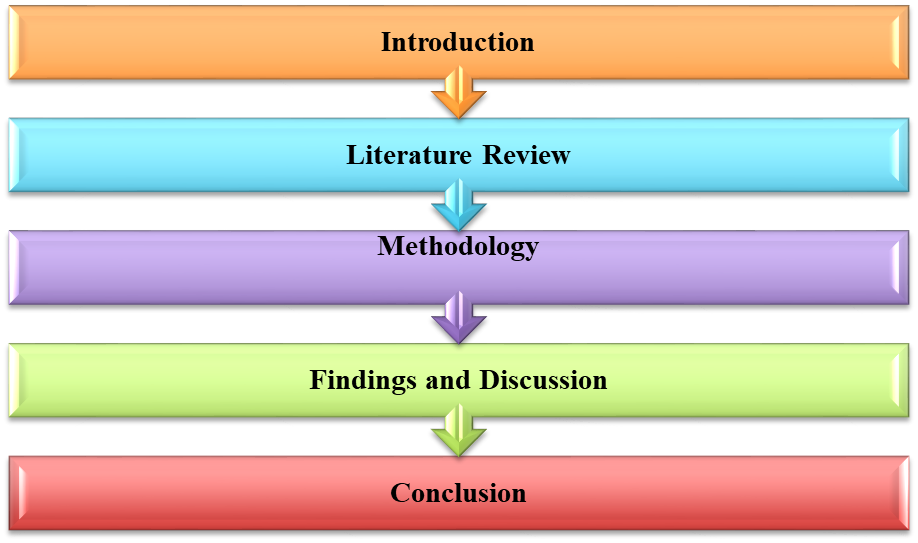
Figure 1: Research Framework
1.9 Conclusion
The factors contributing to the development of cancer relate to the changes in genes of tumor cells and alterations in the paracrine environment. This chapter has also stressed the importance of TME in providing support to tumor formation and therapy response failure. A basic knowledge of these mechanisms is crucial for improving treatment approaches. It therefore follows that in future studies, researchers should focus on targeting these genetic mutations as well as the stroma so as to raise the survival rate of patients with cancers and increase the quality of their lives as they seek personal and lasting cures to this condition.
Reference List
Journals
- Diori Karidio, I. and Sanlier, S.H., 2021. Reviewing cancer’s biology: an eclectic approach. Journal of the Egyptian National Cancer Institute, 33, pp.1-17.
- Fan, T., Kuang, G., Long, R., Han, Y. and Wang, J., 2022. The overall process of metastasis: From initiation to a new tumor. Biochimica et Biophysica Acta (BBA)-Reviews on Cancer, 1877(4), p.188750.
- Liang, D., Liu, L., Zhao, Y., Luo, Z., He, Y., Li, Y., Tang, S., Tang, J. and Chen, N., 2023. Targeting extracellular matrix through phytochemicals: a promising approach of multi-step actions on the treatment and prevention of cancer. Frontiers in Pharmacology, 14, p.1186712.
- Pote, M.S., Singh, D., Suchita, J. and Gacche, R.N., 2024. Cancer metastases: Tailoring the targets. Heliyon.
- Shlyakhtina, Y., Moran, K.L. and Portal, M.M., 2021. Genetic and non-genetic mechanisms underlying cancer evolution. Cancers, 13(6), p.1380.
- Shomar, A., Barak, O. and Brenner, N., 2022. Cancer progression as a learning process. Iscience, 25(3).