
Organizational Behavior Assignment Sample
This Organizational Behavior Assignment examines employee behaviour, leadership, motivation, and workplace dynamics to explain how organizations can improve teamwork, productivity, and overall performance.
- 92650+ Project Delivered
- 1500+ Experts 24x7 Online Help
- No AI Generated Content


- Introduction to Organizational Behavior Assignment Sample
- The importance of “Organisational Behavior”
- The key objective of this study
- Significance of the study
- Details about the Organisation
- A brief history of the Organization
- A Discussion About the Size of the Workforce
- Organisational Structure
- Business Nature
- The primary Services and Products
- Main Clientele
- SWOT analysis
- Employing Porter’s Five Forces Model for the analysis of competitors
- Job satisfaction
- Key definition of the job satisfaction
- The Consequences of People Not Being Satisfied with Their Jobs
- Effects of the lower job satisfaction level
- The healthcare provided in the UK
- The causes of the dissatisfaction with the job
- Not being happy with the job that needs to be done
- How decisions concerning policies and practices are taken and implemented in organizations
- The “Style of Management” and Important Leadership Approaches
- Discussion about the “organisational politics”
- Conflict Management as a strategy
- The “Group relationship”
Introduction to Organizational Behavior Assignment Sample
“Organisational behavior (OB)” examines the behaviors of people in an organization. It evaluates individuals, groups and the whole structure to explain their actions and results. With OB, organisations like GSTT can advance their performance, encourage teamwork, enhance communication, and motivate staff (Adamopoulos, 2022). Understanding OB reveals that some factors lead to unsatisfied workers. If people are dissatisfied, their performance decreases and there is a growing rate of turnover. This situation might have negative consequences for the company later on.
The importance of “Organisational Behavior”
The role of “organisational behavior” is essential for boosting the individual and the organisation’s performance. When it comes to healthcare, this approach assists nurse managers in noticing staff behavior and working on issues like job dissatisfaction and burnout (Karimivand, 2023). Applying OB theories, nurses in charge can boost communication, assemble effective teams, encourage workers and create an atmosphere of fairness. When doctors are satisfied with their work, the patients’ experience and medical outcomes are better. Understanding OB makes it easier for leaders to grow and handles conflicts better, things that are important in healthcare.
This Organizational Behavior Assignment Sample explores employee behaviour, workplace motivation, leadership, communication, and job satisfaction, with a focus on improving performance in healthcare organizations. An Assignment writing helper can support students in understanding organizational behaviour theories and effective team management practices.
The key objective of this study
Research aim
The purpose of this study is to investigate what causes low levels of job satisfaction among nursing staff on the “Medical-Surgical Unit” and suggest solutions based on “organisational behavior” at “Guy’s and St Thomas’ NHS Foundation Trust (GSTT)”.
Research objective
The study has some specific objectives, which are described as follows.
- To know what job satisfaction includes in a workplace setting.
- To find out why nursing staff in the “Medical-Surgical Unit” feel dissatisfied with their job at “Guy’s and St Thomas’ NHS Foundation Trust (GSTT)”.
- To use OB theories to make suggestions for improvement.
Research Question
- 1) What causes nurses to have low job satisfaction in the unit at “Guy’s and St Thomas’ NHS Foundation Trust (GSTT)”?
- 2) How might “organisational behavior” knowledge help address these matters at GSTT?
- 3) What steps can be taken to boost both the satisfaction and work performance of nurses at GSTT?
Significance of the study
The study explains various strategies for raising job satisfaction in the “Medical-Surgical Unit” of a hospital. It points out the usual problems experienced by nurses and suggests how “organizational behavior theories” can be applied to manage those problems. According to the research, nurse managers play a key part in ensuring the workplace is both healthy and motivating (Adamopoulos and Syrou, 2022). Prioritizing communication, just rules and kind leadership benefits and strengthens the team of nurses in the hospital. Therefore, care for patients is better and hospitals can run more efficiently.
Details about the Organisation
A brief history of the Organization
In the UK, the “Guy’s and St Thomas’ NHS Foundation Trust (GSTT)” is well known and widely recognized for being one of the oldest healthcare organizations. The hospital’s Trust has offered health services, promoted research, and enabled medical education for many years. “St Thomas’ Hospital” goes back to the 12th century, whereas Guy’s Hospital came into being in 1721. After some years, both hospitals turned into leading teaching buildings and decided to work together under the name of GSTT. The Trust has included additional services and combined forces with big centers, such as “Royal Brompton and Harefield hospitals”, making it one of the biggest and top NHS Trusts in the UK.
A Discussion About the Size of the Workforce
GSTT is known as one of the biggest employers in London, having over 23,600 employees in its hospitals, clinics, and outreach programs. Many different members of the workforce are found in healthcare: “doctors, nurses, healthcare assistants, therapists, researchers, administrators”, and support workers (Sauerbrei et al. 2023). According to my role as Nurse Manager, I supervise some 40 nurses and support staff in the Medical-Surgical Unit. The unit operates at a fast speed, taking care of patients before and after they have surgery. Since patients have complicated health conditions, working together and having proper staff are necessary. The Trust helps staff from banks and agencies to address any shortages and guarantee that services stay available.
Organisational Structure
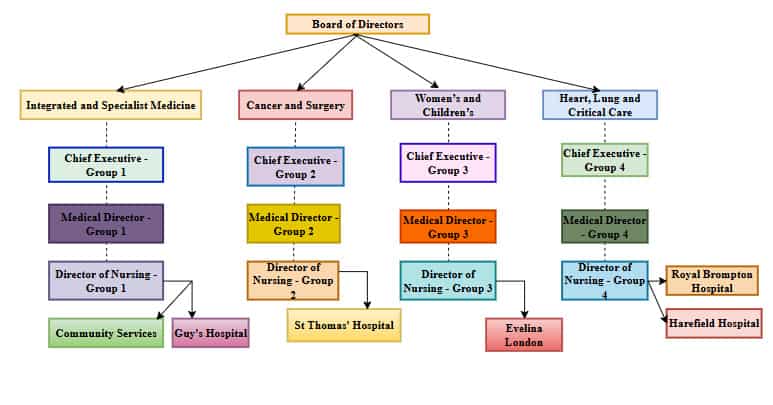
Figure 1: The “organization structure” of GSTT
(Source: Self-created in MS Word)
The organization of the Trust in a hierarchy allows for better decisions and easy communication between members. At the leading level, the “Board of Directors” makes sure the Trust performs effectively and matches the NHS expectations. At a lower level, the Trust groups together four teams that handle various kinds of services of Integrated and Specialist Medicine, Cancer and the role of surgery and The division is called Women’s and Children’s and “Cardiology, Pulmonology and Critical Care”.
Business Nature
GSTT falls into the public healthcare system and is a member of the “National Health Service (NHS)”. Since it is a not-for-profit organization, the NHS offers free assistance to people and is supported with the taxes of UK citizens. To everyone, regardless of differences, Trust provides safe, excellent, and understanding care (Wang, et al. 2022). The work of healthcare organizations is regulated by the government’s goals, directives, and rules from the CQC. GSTT takes an important part in educating doctors and advancing medical research. The school is held by “King’s Health Partners”, which also offers teaching and clinical research. Because of this partnership, staff have access to the latest practices proven by science.
The primary Services and Products
There are plenty of hospital and community services offered through the Trust. Examples are emergency help, surgical procedures, and therapy for cancer, maternity care, and children’s health, services for heart and lungs, and support for mental health issues. Five main hospitals are part of it, including “Guy’s Hospital” that specializes in treating cancers, caring for kidney problems, orthopaedic care, and dentistry. “St Thomas’ Hospital” is famous for providing emergency help, surgical services, maternity units, and care for internal medicine. The “Evelina London Children’s Hospital” is well known as a top children’s care facility. “Royal Brompton Hospital” is well known for its heart and lung treatments. Harefield Hospital specializes in transplants for the heart and lungs and other cardiac treatments. Apart from hospital care, GSTT helps people in the community by making home visits, providing health education, and running clinics at schools and GP surgeries.
Main Clientele
GSTT looks after people from a broad range of backgrounds in “London and the South East of England”. The main users of this healthcare system are locals in need of support and children and families who count on its paediatric and maternity units. Some patients from different parts of the UK come to the “Trust for surgeries” or treatments that their healthcare providers cannot give (Johnson et al. 2021). GSTT also supports those who need help the most, for example, the senior population, those with chronic conditions, and those who face challenges when obtaining regular healthcare. The hospital’s patient volume of more than 2.6 million per year shows that it plays a key and busy role as a leading public health provider in the UK.
SWOT analysis
A SWOT analysis points out the key factors that have an impact on how “Guy’s and St Thomas’ NHS Foundation Trust (GSTT)” performs.
| SWOT analysis | |
|
Strength ● The hospital is well respected globally for the way it provides specialized treatment, mainly in the sectors of heart, lung, and cancer care. ● The Trust gains from its special association with “King’s College London”, which improves all of its core activities. ● Support for providing “healthcare services” is ensured by its experienced and widespread team of staff and workers. ● Because of its role in cutting-edge clinical research and digital healthcare, GSTT is a major part of NHS innovation. |
Weakness ● Trust staff suffer from huge workloads and are experiencing burnout, mainly as a result of the “COVID-19 pandemic”. ● There are always problems when it comes to hiring and retaining staff, mainly in nursing, which might influence how well services run. ● Sometimes, the NHS’s many bureaucratic processes mean that decisions take more time. ● During busy times, various departments depend a lot on agency staff, which might cause inconsistency among teams and cost more. |
|
Opportunities ● There is a need to improve “digital healthcare records” and expand telemedicine so that both service and patient care increase (Spilg et al. 2025). ● Extra funds might be obtained to provide better training, leadership skills, and advanced career prospects for staff. ● Working more with community-based and volunteer sector services will help the Trust touch more patients and give them care consistently. ● If there were better innovations in patient-centred support and early services, patients would benefit and less strain would appear on acute support. |
Threats ● A lack of nurses and doctors in the country threatens the level of staffing in the Trust. ● When healthcare services are needed more but there are not enough resources available, it often makes running the organization tougher. ● The “Care Quality Commission” and other agencies are paying more attention to the Trust, while many people have high expectations of it. ● Since there are not many ways to raise money in the NHS, the Trust may not be able to allocate funds for new services. |
Employing Porter’s Five Forces Model for the analysis of competitors
Even as a public organization, GSTT has to compete with other medical facilities. There are other options that compete with it.
Rival competition with the other competition
Being a large teaching hospital, GSTT strives to win research funds, outstanding grants, and attract talented people, which makes it important to have high quality and new treatments.
Threats from the new entrants
There is greater competition now because independent treatment centres and private providers offer quicker services in specialist care.
Bargaining power of the suppliers
Since there are not enough nurses and doctors in many countries, healthcare experts can easily demand fair wages or better working conditions. Staff prefer to work in private hospitals since they offer better compensation and conditions.
Bargaining power of the patients
Patients can decide on their healthcare providers after evaluating the service they provide.
Threats from substitutes
People can use “digital health services” and other private care choices instead of going to a public hospital. The hospital fights it by making more use of “telehealth and upgrading community services”.
Job satisfaction
Key definition of the job satisfaction
Job satisfaction is the level of happiness and pleasure employees have when doing their jobs. Being happy in their jobs is very important for healthcare staff because it shapes the care people get, employee performance and the mood at work. Factors that can influence nursing staff’s satisfaction are feeling appreciated, having freedom to do their work, the amount of work, communication with managers and team support (Kitsios and Kamariotou, 2021). According to Herzberg, what leads to job satisfaction is achievement and recognition as a motivator and job dissatisfaction is mainly caused by problems like salary and working conditions. Nursing professionals experience motivators and “hygiene factors” which go hand in hand with their job duties, emotions and the intense role they must fulfill in caring for patients. So, helping nurses enjoy their work makes them feel good without patients and also results in better care for patients.
The Consequences of People Not Being Satisfied with Their Jobs
If nurses do not enjoy their jobs, it can bring about various negatives in this unit. A lack of job satisfaction among nurses often results in more stress and exhaustion for them and this can weaken their commitment to giving good care to patients. Many nurses now take extra sick leave or skip extra shifts which pressures the staff that is still working (Krijgsheld et al. 2022). Over time, there are not enough workers and all of them end up working harder, creating a repeated cycle of unhappiness. In addition, having a high number of employees leave the company is another big influence. Substituting experienced nurses for new ones is very costly, requires time and affects the care team’s ongoing performance (Aman-Ullah et al. 2022). It becomes necessary to support new employees with appropriate training, but this costs extra time and funds. Furthermore, unhappy employees may cause others in the team to feel bad about their work, start having difficulties communicating and ideally contribute less together.
Effects of the lower job satisfaction level
The decline in “nurse managers” work satisfaction can be noticed in the drop of performance numbers, an increase in employee disagreements and more concerns about the work environment. Greater issues with writing records, following guidelines and working with patients can arise. Under severe circumstances, being discontent with one’s job may discourage a nurse from fulfilling their administrative functions, causing harm to both the patients and the hospital (Torlak et al. 2021). Low satisfaction among employees must be handled, as it is important both morally and strategically for the well-functioning of the healthcare facility. Understanding what causes nurses concern and using theories from organisational behaviour makes it easier for nurse managers to care for their nurses’ well-being and encourage the team to do well.
The healthcare provided in the UK
Job dissatisfaction among nurses has been a constant problem for the UK’s “National Health Service (NHS)”. The “Royal College of Nursing (RCN)” and regular NHS employee surveys frequently mention that busy workloads, not enough support for staff and emotional stress lead to unhappiness in the workplace. A survey by NHS in 2023 found that only 26% of nurses were sure their organization cared about their contribution and almost half reported being exhausted. Furthermore, having fewer staff in various NHS trusts means teams are working with more agency employees which is disrupting their teamwork.
Due to nurse strikes in both 2022 and 2023, many are noticing the frustration nurses have with how they are paid and treated at work. Many nurses think their pay does not match their level of responsibility, especially after experiencing the “COVID-19 pandemic” (Abdullah et al. 2021). The inability to arrange schedules and the lack of enough staff have led to higher stress levels and less work-life balance for nurses working in general and acute care wards as well as in “Medical-Surgical Units”. These actual challenges show that what happened with the “Medical-Surgical Unit” is normal, so addressing job satisfaction is important to avoid losing experienced workers, reduce absenteeism and uphold good patient care.
The causes of the dissatisfaction with the job
Not being happy with the job that needs to be done
Nurses in “Medical-Surgical Units” tend to feel dissatisfied with their work which is a major reason for their low morale. Nurses are required to carry out physically and mentally challenging activities, for example, attending to wounds, measuring vital signs, giving medicine and offering comfort by the bedside to patients. The tasks are vital, though they are usually done again and again and under pressure. Performing these duties in little time and without enough workers makes nurses feel tired and burned out (Ofei et al. 2023). Sometimes, nurses feel unsatisfied when their skills are not appreciated or they lack chances to develop their medical abilities. There are often set roles for each day in hospitals and people do not usually get to try different tasks. Not being given more challenging tasks decreases nurses’ motivation and makes them feel their job is mainly just carrying out routine tasks.
In addition, studies indicate that asking nurses to do tasks they aren’t qualified for or give them too much non-nursing paperwork reduces the time spent with patients and the nurses’ job satisfaction. Consequently, there is a chance that skilled nurses face role ambiguity or conflicts which are considered harsh pressures in “organisational behavior”.
How decisions concerning policies and practices are taken and implemented in organizations
What nurses go through at their jobs can be greatly affected by the policies of their institutions. Even though the “Medical-Surgical Unit” follows NHS guidelines at “Guy’s and St Thomas’ NHS Foundation Trust”, nurses frequently feel unhappy about fixed and inflexible schedules. It is hard for workers to maintain their personal and job lives because of being on night shifts, set rotations, and often having overtime (Mijovic et al. 2021). Just like many NHS nurses, those practicing at GSTT often find it hard to organize their personal or family matters as they do not have control over their rosters. Tough rules for using vacation time during busy periods can complicate people’s holiday plans.
Some employees of the trust have expressed worries that their progress at work and chances for promotion can be unclear (Alderwick, et al. 2021). In many cases, nurses believe that seniority and a manager’s choices are more important than merit for career advancement (Krijgsheld et al, 2022). Such a belief makes outstanding staff members feel disheartened and assume something is not done justly.
Besides other factors, unrecognized employees and no financial rewards result in even less motivation. Even if nurses offer great patient care, it is not always recognized by their managers which may make them feel overlooked and underappreciated. Not having policies that help mental health and happiness can lead to employee dissatisfaction and difficulty in keeping them for a long time.
The “Style of Management” and Important Leadership Approaches
Leaders in areas such as the “Medical-Surgical Unit at GSTT” use the NHS guidelines, but how they manage changes each day. When the workplace becomes very demanding, some ward leaders decide to focus on jobs and offer clear directions. Not being involved in care planning or when what staff suggest is overlooked, makes them feel less important and independent. Being a nurse manager, it can tell that confusion and frustration often develop among my team members when the senior leaders are not clearly visible (Harrington et al. 2023). GSTT tries to ensure that leaders are compassionate and include others, though some issues still exist. If regular feedback, showing appreciation, and teamwork in decision-making are not present, people’s spirit goes down. Using leadership that inspires and supports the team can considerably raise morale and job satisfaction among nurses.
Discussion about the “organisational politics”
Team dynamics can sometimes be changed by organisational politics at places like GSTT. Nurses on the “Medical-Surgical Unit” have told the administration that there is a belief among them of favoritism in managing shifts or training sessions (Gorsky and Arnold-Forster, 2024). If appointments or promotions seem unfair because of relationships, it leads to tensions and cause people to question things. The GSTT seeks to ensure equality and justice, yet occasional pressure from daily operations can stop the health authority from sharing all its details. Without limits, political behavior discourages staff and makes them dislike their work.
Conflict Management as a strategy
Since there are many pressures and urgent tasks on surgical wards at GSTT, conflicts between staff are a greater risk. Unequal sharing of work, varying ways of communicating, and delays in responding to others during full shifts are among the causes for conflicts (Vasiliadou, et al. 2021). When conflicts are not quickly settled, cooperation and patient treatment are interrupted.
Although there are “HR and leadership routes” for handling conflicts, some managers do not have full training in reducing tension. Aiding nurse managers in resolving conflicts and offering clear procedures would improve the well-being of the team.
The “Group relationship”
Since many patients require close attention, the team depends on each other to ensure proper “medical and surgical care”. When people on the team connect well and help one another, the workplace becomes more optimistic. But, in certain shifts, silo work, no teamwork, or not being actively involved have been witnessed (Ocean and Meyer, 2023). If groups in an organization have poor relationships, it negatively affects employees’ morale, leading to excess stress. If GSTT supports shared aims, plans team meetings, and changes the roles of employees within the team, it can boost peer support and raise everyone’s satisfaction at work. This puts me in a position to suggest recommendations and to offer my conclusion.
5.0 Recommendations and Conclusion
Recommendation
At GSTT, the “Medical-Surgical Unit” should receive better nurse satisfaction by giving ward managers training on communication, resolving conflicts, and emotional intelligence. This will form a work environment where people feel supported. In order to boost staffing levels, GSTT could offer rostering tools so nurses can early request the shifts they prefer (Lambert et al. 2023). This approach would give people a better balance between their jobs and personal lives and also lead to fewer surprises when employees are absent. It is also important to develop an obvious rewards and recognition programmer that notices great achievements made by staff. Employees must be provided with fair chances to take advantage of development schemes, for example, getting your training paid for or working in a different department for experience. The Trust ought to carry out anonymous employee surveys on a regular basis and use the outcomes to advance improvements in units.
Conclusion
It is important to deal with job dissatisfaction to maintain patient safety and quality care at GSTT. Being a nurse manager, it is recognize that challenges in “leadership, discrimination, and insufficient communication” can affect the feelings and achievements of team members and patients. If these matters are not handled, burnout will happen and workers may leave their jobs.
Summary of the Major Points
It was found that lack of input from “workers, office politics, unresolved conflicts”, and damaged relationships among team members are some of the reasons people become unsatisfied with their jobs (Anderson et al. 2021). This was most evident in the “Medical-Surgical Unit” because of the unit’s busy and complex operations.
Key points of the recommendations
The suggestions include developing leaders, allowing flexible schedules, honoring workers, and regularly asking for their thoughts. They are useful approaches that follow GSTT’s values.
Problems that have been identified in the selected organization
Among the main issues at GSTT’s “Medical-Surgical Unit” are nurses not sharing ideas as much, having strict policies that cause stress, limited sharing of information, and minimal support between colleagues. These problems reduce both staff happiness and the standard of care given to patients and should be solved over the long run.
Reference List
Journals
- Abdullah, M.I., Huang, D., Sarfraz, M., Ivascu, L. and Riaz, A., 2021. Effects of internal service quality on nurses’ job satisfaction, commitment and performance: Mediating role of employee well‐being. Nursing Open, 8(2), pp.607-619.
- Adamopoulos, I.P. and Syrou, N.F., 2022. Associations and correlations of job stress, job satisfaction and burn out in public health sector. European Journal of Environment and Public Health, 6(2), p.em0113.
- Adamopoulos, I.P., 2022. Job satisfaction in public health care sector, measures scales and theoretical background. European Journal of Environment and Public Health, 6(2), p.em0116.
- Alderwick, H., Hutchings, A., Briggs, A. and Mays, N., 2021. The impacts of collaboration between local health care and non-health care organizations and factors shaping how they work: a systematic review of reviews. BMC public health, 21, pp.1-16.
- Aman-Ullah, A., Aziz, A., Ibrahim, H., Mehmood, W. and Abdullah Abbas, Y., 2022. The impact of job security, job satisfaction and job embeddedness on employee retention: an empirical investigation of Pakistan’s health-care industry. Journal of Asia Business Studies, 16(6), pp.904-922.
- Anderson, M., O'Neill, C., Clark, J.M., Street, A., Woods, M., Johnston-Webber, C., Charlesworth, A., Whyte, M., Foster, M., Majeed, A. and Pitchforth, E., 2021. Securing a sustainable and fit-for-purpose UK health and care workforce. The Lancet, 397(10288), pp.1992-2011.
- Gorsky, M. and Arnold-Forster, A., 2024. Witness seminar: NHS hospital charity fundraising since the 1980s (Doctoral dissertation, London School of Hygiene & Tropical Medicine).
- Harrington, J., Hannah, D., Jeon, J., Tsang, K., Roberts, L. and Pirani, T., 2023. Intensive care society state of the art (SOA) 2022 abstracts. J Intensive Care Soc, 24(1).
- Johnson, S., Dalton-Locke, C., Vera San Juan, N., Foye, U., Oram, S., Papamichail, A., Landau, S., Rowan Olive, R., Jeynes, T., Shah, P. and Sheridan Rains, L., 2021. Impact on mental health care and on mental health service users of the COVID-19 pandemic: a mixed methods survey of UK mental health care staff. Social psychiatry and psychiatric epidemiology, 56, pp.25-37.
- Karimivand, F., 2023. Job satisfaction and organizational commitment of healthcare sector employees: A comprehensive review of the literature. Çukurova Üniversitesi İktisadi ve İdari Bilimler Fakültesi Dergisi, 27(1), pp.112-136.
- Kitsios, F. and Kamariotou, M., 2021. Job satisfaction behind motivation: An empirical study in public health workers. Heliyon, 7(4).
- Krijgsheld, M., Tummers, L.G. and Scheepers, F.E., 2022. Job performance in healthcare: a systematic review. BMC Health Services Research, 22(1), p.149.
- Lambert, S.I., Madi, M., Sopka, S., Lenes, A., Stange, H., Buszello, C.P. and Stephan, A., 2023. An integrative review on the acceptance of artificial intelligence among healthcare professionals in hospitals. NPJ Digital Medicine, 6(1), p.111.
- Mijovic, F., James, S., Thomas, B., Bhatia, M., Lafaurie, G., Hafeez, R. and Smedley, F., 2021. The myth of pre-operative isolation during the COVID-19 pandemic. Science Progress, 104(3), p.00368504211026155.
- Ocean, N. and Meyer, C., 2023. Satisfaction and attrition in the UK healthcare sector over the past decade. PLoS One, 18(4), p.e0284516.
- Ofei, A.M.A., Poku, C.A., Paarima, Y., Barnes, T. and Kwashie, A.A., 2023. Toxic leadership behaviour of nurse managers and turnover intentions: the mediating role of job satisfaction. BMC nursing, 22(1), p.374.
- Sauerbrei, A., Kerasidou, A., Lucivero, F. and Hallowell, N., 2023. The impact of artificial intelligence on the person-centred, doctor-patient relationship: some problems and solutions. BMC Medical Informatics and Decision Making, 23(1), p.73.
- Spilg, E.G., McNeill, K., Dodd-Moher, M., Dobransky, J.S., Sabri, E., Maniate, J.M. and Gartke, K.A., 2025. Physician leadership and its effect on physician burnout and satisfaction during the COVID-19 pandemic. Journal of Healthcare Leadership, pp.49-61.
- Torlak, N.G., Kuzey, C., Sait Dinç, M. and Budur, T., 2021. Links connecting nurses’ planned behavior, burnout, job satisfaction, and organizational citizenship behavior. Journal of Workplace Behavioral Health, 36(1), pp.77-103.
- Vasiliadou, I., Breik, O., Baker, H., Leslie, I., Sim, V.R., Hegarty, G., Michaelidou, A., Nathan, K., Hartley, A., Good, J. and Sanghera, P., 2021. Safety and treatment outcomes of nivolumab for the treatment of recurrent or metastatic head and neck squamous cell carcinoma: retrospective multicenter cohort study. Cancers, 13(6), p.1413.
- Wang, G., Badal, A., Jia, X., Maltz, J.S., Mueller, K., Myers, K.J., Niu, C., Vannier, M., Yan, P., Yu, Z. and Zeng, R., 2022. Development of metaverse for intelligent healthcare. Nature machine intelligence, 4(11), pp.922-929.
- https://www.newassignmenthelp.co.uk/shortage-of-health-workers-in-non-profit-organization-assignment-sample-53297