
Develop Health Profile Local Community Assignment Sample
Expert assignment help for developing community health profiles using Dahlgren-Whitehead model, health promotion strategies, and inequality analysis frameworks for UK students.
- 92650+ Project Delivered
- 1500+ Experts 24x7 Online Help
- No AI Generated Content


Introduction Of Develop Health Profile Local Community Assignment
The report aims to offer analysis as well as an understanding of the health profile within Hackney. Health promotion plays a significant role in promoting the mental health as well as well-being which offers significant care to the people with mental health issues in Hackney. Health is an integral part of the health which plays a vital role in supporting as well as promoting the wellness (Phillips, 2019). Health care organizations have the unique opportunity to handle health issues by offering significant care to individuals. People with better health experience the sense of well-being which includes positive emotions, ability to cope up with issues as well as life satisfaction. Efficient health equips the people with the capability to bounce back from the stress as well as adversity. Resilience assists individuals to navigate the life changes more efficiently. Promoting good health can enhance physical health outcomes, reduces the influence of stress as well as lower the risk of health conditions (Policy et al, 2019).
Background
In the year of 1948, World Health Organization has launched health as the state of complete mental, physical, social as well as mental well-being. The inequalities within Hackney are both global and national such as high class of infection and deaths among old people (Haque et al, 2020). Health surveys include measurement of the risk factors, non-health determinants as well as health behaviors of health like socio-economic status.
The Hackney Health and Wellbeing Board is a partnership which works together to enhance the well-being of the people as well as reduce the health inequalities. They aim to enhance the health in Hackney by reducing the health inequalities (Smith, 2008). They have identified the three priority areas for actions which enhance the health, social relations as well as support financial safety. Nurses attend a practice-based multidisciplinary approach which assists in identifying patients with health issues which exacerbate their physical illness (Latha et al, 2020). They also offer support to patients needing extra input and training to community health teams as well as primary care professionals. The central concerns of work on the new models of care enhance care for individuals with the long term conditions as well as ongoing care requirements (Ronaldson et al, 2020). By recognizing the major health requirements of Hackney key resources can be allocated more efficiently. This will make sure that the regions of the Borough with the major health risk can be offered with involvement as well as assistance.
Need Assignment Help that delivers results? Trusted Assignment Help in UK for well-researched, plagiarism-free academic solutions.
Body of Essay
Health is the state of complete mental, physical as well as social well-being. This allow people to build more personal resilience, enhance confidence in self-management and handle the health and social requirements. Their primary care, hospitals as well as community health offer services to the range of people (Bertotti and Temirov, 2020).
The Dahlgren-whitehead model assists in determining the health inequalities which maps the relations among the people, health as well as the environment. Hackney is the vibrant mix of various communities in London. This city is the largest group of the Charedi Jewish individuals in Europe. Hackney has the 6th highest number of people in UK. It has older people of White British as well as Black African communities (Raghupathi and Raghupathi, 2020).
Further, health literacy is an efficient predictor of health status which links with income, age, and employment status as well as education level. Education can enhance the social outcomes by assisting people to make the informed as well as competent decisions. Hackney is a home for an estimated 85,256 children as well as young people who have come from the range of cultural backgrounds. The healthy child programs include need assessment which offers bedrock for the health improvement, supports families as well as public health within UK (UK Faculty of Public Health, 2016).
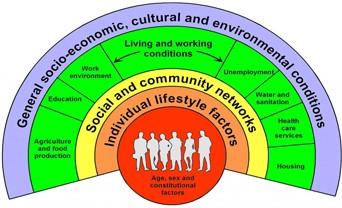
Figure: The Dahlgren-Whitehead rainbow (1991)
Hackney is the dynamic as well as diverse area with the rich demographic profile. The median age in this region is approximately 32 years, which is relatively young compared to the national average. The population of Hackney includes the major proportion of young adults around the age group 50-60 (City and Hackney, 2024). The sex ratio is around 91.1 males for every 100 females within the area. In addition to this, the area is ethnically diverse as in the year of 2021, 51.1% of the people were recognized as White, the remainder as Asian, 21.1% as black as well as other various ethnic groups. Hackney has employment landscape which is scientific, professional as well as technical sectors which reflect their economic base. The major proportion of the people within Hackney holds the high educational qualifications that links with the areas professional employment trends.
Applying Maslow hierarchy of needs model assists in analyzing the motivators for the human behavior. Food availability is the significant factor linked with the obesity which relates to the different geographical areas as well as high rates of obesity in low socio-economic status people within Hackney (Reinert et al, 2024). Many school-aged children do not meet UK dietary suggestions in the children from low socio-economic backgrounds. Public health programs are required to enhance the quality of UK children's diets while targeting the socio-economic groups.
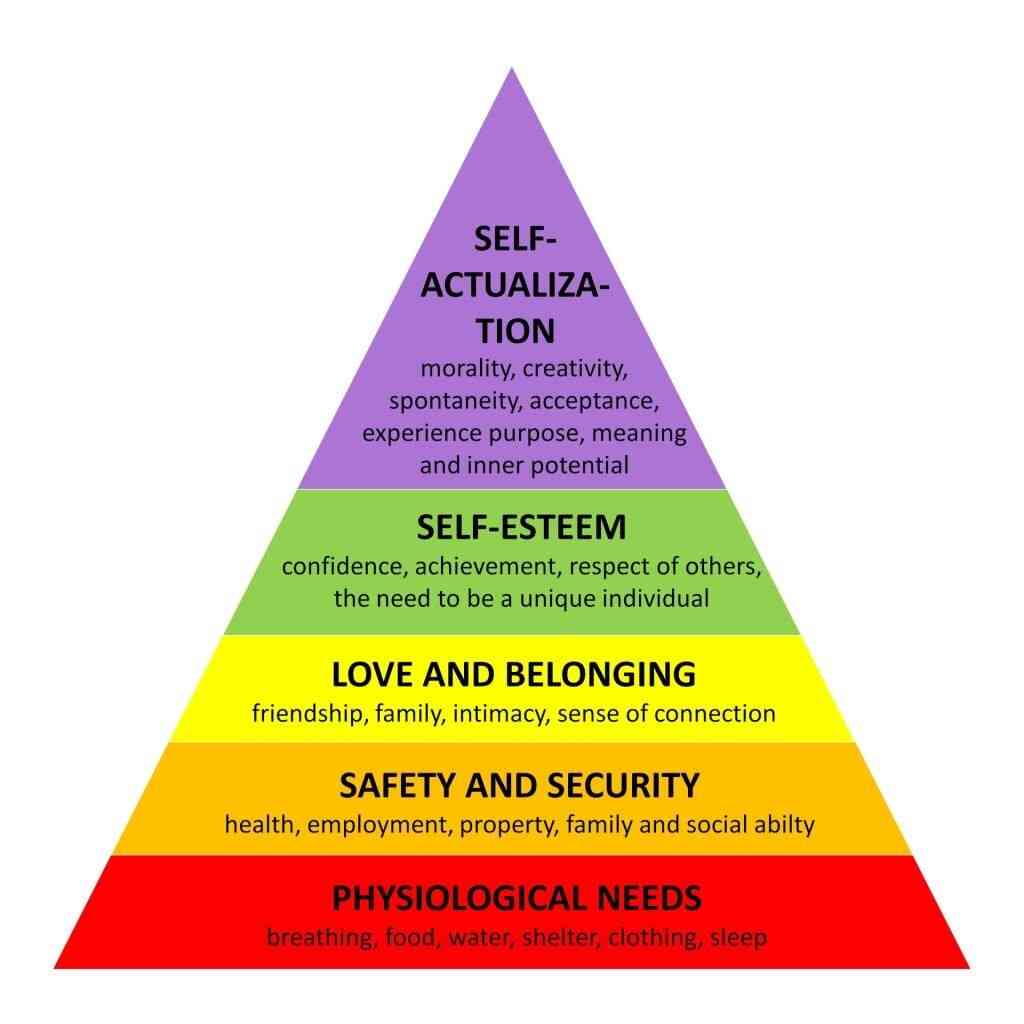
Figure: Maslow’s Hierarchy of Needs
According to this model, families paying excessive amounts of their income for the housing have insufficient resources remaining for others such as medical insurance, food as well as healthcare. Individuals living with the financial stress are at the high risk of the mental health issues as well as lower well-being. Financial stress impacts the health of the children as well as adolescents (Wasserman et al, 2020). Affordable housing can be served as a platform for offering supporting services to enhance the health outcome of the vulnerable people such as disabled, elderly as well as homeless people.
Cigarette smoking influences cardiovascular risk factors like low serum levels of the high density (Naidoo and Wills, 2016). Low socio-economic status is linked with the high risk of developing the cardiovascular disease. The impact of social isolation on the mental health ranges from the sleeplessness to reducing the immune systems.
Regarding diet, there are uninterrupted initiatives to inspire nutritious eating. However, obstacles persist, especially in regions with greater deprivation. While smoking rates have been decreasing, they continue to pose a considerable public health concern. Alcohol consumption is a matter of concern and have specific interventions in place to tackle this issue (Griffiths, 2022). In Hackney, approximately 10% of adults grapple with depression, while 1.2% face severe conditions such as schizophrenia. Mental health challenges are more prevalent among the Black population. A range of mental health services are accessible, including community-based support and counseling (Rodrigues and Plotkin, 2020). The area has a strong sense of community, but also faces with housing issues as well as social inequalities which influence their well-being. Regarding employment as well as education, the situation is looking up. Employment rates are on the growth and educational achievements are creditable, which promises social welfare.
A significant number of residents fail to meet the recommended guideline of consuming five portions of fruits and vegetables per day, as advised by Public Health England (Keys et al, 2021). A considerable number of individuals fail to meet the recommended physical activity levels. PHE recommends that 150 minutes of the intense physical activity per week can meet the requirements of people in Hackney.
Even though smoking rates have reduced which poses the major health risk. Smoking can mainly contribute to the respiratory, cancer as well as cardiovascular conditions. There are major concerns regarding the alcohol consumption as well as other health-related issues. Mental health conditions like severe disorders as well as depression are widespread within the Black community (Garner and Yogman, 2021). The rising prevalence of obesity is a significant issue, often associated with inadequate dietary choices and insufficient exercise. It heightens the likelihood of developing conditions such as diabetes, heart disease, and other health problems. Health outcomes are significantly influenced by social factors like housing quality and economic deprivation. Poor living conditions and financial stress can worsen health issues.
Nurses should motivate residents to include additional fruits and vegetables in their dietary habits. Nurses should encourage residents to incorporate more fruits and vegetables into their dietary routines. Nurses need to consider directing people to local initiatives like community gardens and cooking classes provided by organizations such as Hackney Food Partnership (Fusar‐Poli et al, 2021). Nurses should encourage consistent physical activity such as walking, cycling or participating in community sports clubs (Edelman and Kudzma, 2021). Even brief daily exercise can greatly improve overall health. Nurses recommend checking out the local leisure centers as well as programs like active Hackney Council for the accessible fitness activities.
Nurses play a crucial role in motivating smokers to seek assistance for quitting. They can emphasize the health advantages of quitting and share information about available support services. Nurses should provide information about services such as NHS Smokefree and local stop-smoking services. It is essential for nurses to provide education to residents regarding the dangers of excessive alcohol consumption and encourage moderation. Nurses recommend reaching out to support groups and services like Alcoholics Anonymous or local alcohol support services.
Nurses play a crucial role in fostering open conversations about mental health and advocating for the utilization of mental health services (Smith et al, 2005). Nurses should direct individuals to local mental health services such as Mind in Hackney and the Centre for Better Health (Nutbeam and Lloyd, 2021). Nurses play a crucial role in advocating for healthy eating and regular physical activity as essential approaches to weight management. They should consider weight management programs and resources such as Change4Life and local health initiatives (Hamed et al, 2022). Nurses should champion better housing conditions and enhanced support services for individuals experiencing economic difficulties.
Collaboration ensures that the patients receive comprehensive care in handling the mental, physical as well as social requirements. This collaboration is significant for treating the complicated cases (Wilcock and Hocking, 2024). This assists in the development of holistic treatment plans as well as support networks for the patients. This improves in quality of care as well as outcomes for people with psychiatric disorders. Cultural competence is vital in nursing with the diversity of patient populations. Understanding the cultural content facilitates the healthcare organization to offer more efficient care. Cultural competence includes acknowledging as well as respecting the differences, treatment plans as well as adapting communication. However, non-compliance can lead to exacerbation of symptoms (Nettleton, 2020). Healthcare organizations educate patients to ensure that the people understand the need for medication as well as the significance of adhering to treatment plans. They also need to communicate efficiently with the healthcare systems and use tools and technologies like electronic medication records which reduce the risk of errors.
The Change4Life Campaign is a national initiative that promotes healthier eating and physical activity. They need to offer resources as well as assistance to guide families in making the healthy decisions which influence their eating habits and physical activities within Hackney (Johnson et al, 2021). The NHS Smoke free policy is designed to lower the smoke rates by offering the support services, run public awareness campaigns as well as offer smoke cessation initiatives (Fusar‐Poli et al, 2021). This organization offers assistance and resources to aid people in quitting smoking, which has a direct impact on the health of Hackney residents. The Alcohol Harm Reduction Strategy aims to minimize the negative impact of alcohol by promoting education, providing support services, and implementing regulations for alcohol sales. The objective is to encourage responsible drinking and minimize alcohol abuse.
The NHS Long Term Plan prioritizes enhancing the mental health services, expanding access to mental health support, and integrating mental health care with the primary care. The goal is to better address mental health issues and decreases stigma. The Childhood Obesity Plan seeks to combat childhood obesity by promoting the healthier food choices in schools and encouraging physical activity (Nelson 2020). It has the potential to impact the eating and exercise routines of both children and families in Hackney.
The Health Inequalities Strategy focuses on wider social factors that impact health, including housing, employment, and education. The objective is to mitigate health disparities and enhances overall health results by tackling the underlying factors of ill health. The Immunization Strategy aims to achieve widespread vaccination coverage, safeguarding against preventable illnesses (Bin Naeem and Kamel Boulos, 2021). It encompasses public awareness initiatives and convenient access to vaccination services. The Clean Air Strategy is the policy designed to enhance the air quality by incorporating measures such as reducing emissions from industry and transportation. Enhanced air quality can yield substantial health advantages, especially for respiratory well-being (Hoernke et al, 2021).
Socio-economic status can significantly impact access to healthy food, safe housing, and healthcare services due to economic deprivation. Health promotion organizations should share the details regarding the budget-friendly nutritional food choices, local food banks as well as financial assistance programs (Campion et al, 2020). They should also encourage using the community health services which offer affordable and free care. There is the major impact of cultural and ethnic diversity on health behaviors, dietary habits, and attitudes towards healthcare. Health promotion organizations provide health advice that is culturally sensitive and makes sure that information is accessible in various languages. Health promotion organizations have the ability to work together with the community leaders to promote healthy initiatives that take cultural practices into the account. Health promotion organizations can collaborate with the community leader to promote the health initiatives which respect the cultural practices.
The distribution of the age groups can influence the health needs. Young people might have the different needs like mental health support as well as specific dietary needs. Customize health programs to cater to the unique requirements of various age groups. For instance, advocate for mental health services among young adults and implement fall prevention initiatives for the elderly. The relationship between employment and education levels is significant. Employment status and educational attainment play a crucial role in health literacy and access to resources. Organizations need to conduct educational workshops on health literacy and advocate for job training initiatives.
The quality of housing conditions can have an impact on health, potentially causing respiratory problems and mental stress. Healthcare organizations within Hackney need to promote improved housing policies and link residents to housing support services. They should also raise awareness about the health effects of substandard housing and offer resources for enhancing living conditions. Lifestyle factors play a significant role in determining health outcomes (Van den Broucke, 2020). Diet, physical activity, smoking and alcohol consumption are key influencers. Healthcare organizations need to promote healthy lifestyle decisions through community initiatives, such as fitness classes, smoking cessation workshops, and cooking demonstrations.
There is a major influence of limited access to healthcare services which can hinder the timely diagnosis as well as treatment of health conditions. Healthcare organizations should actively raise awareness about local healthcare services and educate people on how to access them. They can advocate for efforts that enhance healthcare accessibility, such as mobile clinics and telehealth services. Mental health is a significant factor which can influence the well-being and health which is often stigmatized. Healthcare organizations need to promote mental health awareness and stigmatization by offering educational programs and community support groups. They need to share details about local mental health services and promote their utilization (Petrella et al, 2021).
Conclusion
In conclusion, the Hackney Health and Wellbeing is the partnership which works jointly to enhance the health of the individuals in the city. Integrating community-based around the patients requires offering care for the individuals with complex healthcare needs. This requires collaboration among the service providers as well as long term care coordination. NHS aims in bringing the change in the culture of the people approach to health which make it more person-centered. This allow people to build more personal resilience, enhance confidence in self-management and handle the health and social requirements. Their primary care, hospitals as well as community health offer services to the range of people. Children nurse have a key role in delivering the health childcare program to meet the rising needs of people. A strong sense of health and wellbeing contributes to the efficient mental health condition.
References
- Bertotti, M. and Temirov, O., 2020. Outcome and economic evaluation of City and Hackney Social Prescribing scheme.
- Bin Naeem, S. and Kamel Boulos, M.N., 2021. COVID-19 misinformation online and health literacy: a brief overview. International journal of environmental research and public health, 18(15), p.8091.
- Campion, J., Javed, A., Sartorius, N. and Marmot, M., 2020. Addressing the public mental health challenge of COVID-19. The Lancet. Psychiatry, 7(8), p.657.
- City and Hackney, 2024. Online. Available through. :<https://elft.nhs.uk/sites/default/files/2023-06/data_pack_city_and_hackney_v1.0.pdf >
- Edelman, C. and Kudzma, E.C., 2021. Health promotion throughout the life span-e-book. Elsevier Health Sciences.
- Fusar‐Poli, P., Correll, C.U., Arango, C., Berk, M., Patel, V. and Ioannidis, J.P., 2021. Preventive psychiatry: a blueprint for improving the mental health of young people. World Psychiatry, 20(2), pp.200-221.’
- Garner, A. and Yogman, M., 2021. Preventing childhood toxic stress: partnering with families and communities to promote relational health. Pediatrics, 148(2), p.e2021052582.
- Griffiths, R., 2022. Transitional Safeguarding in London Borough of Hackney: a case study. Practice, 34(1), pp.41-50.
- Hamed, S., Bradby, H., Ahlberg, B.M. and Thapar-Björkert, S., 2022. Racism in healthcare: a scoping review. BMC Public Health, 22(1), p.988.
- Haque, M., Islam, T., Rahman, N.A.A., McKimm, J., Abdullah, A. and Dhingra, S., 2020. Strengthening primary health-care services to help prevent and control long-term (chronic) non-communicable diseases in low-and middle-income countries. Risk management and healthcare policy, pp.409-426.
- Hoernke, K., Djellouli, N., Andrews, L., Lewis-Jackson, S., Manby, L., Martin, S., Vanderslott, S. and Vindrola-Padros, C., 2021. Frontline healthcare workers’ experiences with personal protective equipment during the COVID-19 pandemic in the UK: a rapid qualitative appraisal. BMJ open, 11(1), p.e046199.
- Johnson, S., Dalton-Locke, C., Vera San Juan, N., Foye, U., Oram, S., Papamichail, A., Landau, S., Rowan Olive, R., Jeynes, T., Shah, P. and Sheridan Rains, L., 2021. Impact on mental health care and on mental health service users of the COVID-19 pandemic: a mixed methods survey of UK mental health care staff. Social psychiatry and psychiatric epidemiology, 56, pp.25-37.
- Keys, C., Nanayakkara, G., Onyejekwe, C., Sah, R.K. and Wright, T., 2021. Health inequalities and ethnic vulnerabilities during COVID-19 in the UK: a reflection on the PHE reports. Feminist Legal Studies, 29, pp.107-118.
- Latha, K., Meena, K.S., Pravitha, M.R., Dasgupta, M. and Chaturvedi, S.K., 2020. Effective use of social media platforms for promotion of mental health awareness. Journal of education and health promotion, 9, p.124.
- Latha, K., Meena, K.S., Pravitha, M.R., Dasgupta, M. and Chaturvedi, S.K., 2020. Effective use of social media platforms for promotion of mental health awareness. Journal of education and health promotion, 9, p.124.
- McLeod, S., 2024. Maslow’s Hierarchy of Needs. Online. Available through. :<https://www.simplypsychology.org/maslow.html>
- Naidoo, J and Wills, J, 2016. Health Promotion: Foundation for practice. London: Elsevier
- Nelson et al., 2020. Analysis: toxic stress and PTSD in children. Adversity in childhood is linked to mental and physical health throughout life.
- Nettleton, S., 2020. The sociology of health and illness. John Wiley & Sons.
- Nutbeam, D. and Lloyd, J.E., 2021. Understanding and responding to health literacy as a social determinant of health. Annu Rev Public Health, 42(1), pp.159-73.
- Patient safety and learning, 2021. The Dahlgren-Whitehead rainbow (1991). Online. Available through. :<https://www.pslhub.org/learn/improving-patient-safety/health-inequalities/the-dahlgren-whitehead-rainbow-1991-r5870/>.
- Petrella, A.R., Hughes, L., Fern, L.A., Monaghan, L., Hannon, B., Waters, A. and Taylor, R.M., 2021. Healthcare staff well-being and use of support services during COVID-19: a UK perspective. General Psychiatry, 34(3).
- Phillips, A., 2019. Effective approaches to health promotion in nursing practice. Nursing Standard. doi: 10.7748/ns.2019.e11312
- Policy, L.H. and Team, I., 2019. A profile of Hackney, its people and place [online]
- Raghupathi, V. and Raghupathi, W., 2020. The influence of education on health: an empirical assessment of OECD countries for the period 1995–2015. Archives of Public Health, 78, pp.1-18.
- Reinert, M., Fritze, D. and Nguyen, T., 2024. The State of Mental Health in America 2024.
- Rodrigues, C.M. and Plotkin, S.A., 2020. Impact of vaccines; health, economic and social perspectives. Frontiers in microbiology, 11, p.1526.
- Ronaldson, A., Chandakas, E., Kang, Q., Brennan, K., Akande, A., Ebyarimpa, I., Wyllie, E., Howard, G., Fradgley, R., Freestone, M. and Bhui, K., 2020. Cohort profile: the East London Health and Care Partnership Data Repository: using novel integrated data to support commissioning and research. BMJ open, 10(9), p.e037183.
- Smith S. Sinclair, D., Raine, R. and Reeves, R (2005) Health Care evaluation, Berkshire, Open University Press.
- Smith, R., 2008. The end of disease and the beginning of health. http://blogs.bmj.com/bmj/2008/07/08/richard-smith-the-end-of-disease-and-the-beginning-of-health
- Van den Broucke, S., 2020. Why health promotion matters to the COVID-19 pandemic, and vice versa. Health promotion international, 35(2), pp.181-186.
- Wasserman, D., Iosue, M., Wuestefeld, A. and Carli, V., 2020. Adaptation of evidence‐based suicide prevention strategies during and after the COVID‐19 pandemic. World psychiatry, 19(3), pp.294-306.
- Wilcock, A. and Hocking, C., 2024. An occupational perspective of health. Taylor & Francis.