
Health and Wellbeing – Health and Social Care Assignment Sample
Sample Analysis of Health and Wellbeing Across Communities
- 92650+ Project Delivered
- 1500+ Experts 24x7 Online Help
- No AI Generated Content


INTRODUCTION
Maintaining good health and well-being is very necessary to maintain the community and ensure that a good environment is created. This is necessary for the reason that when a healthy environment is maintained in health and social care then better services will be provided to the service users. Hence, in the maintenance of a good and healthy environment, the public health practitioner plays an important role. The public health practitioner ensures that the community is working well and also there are not any health issues faced by the people living there. In the current discussion, the use of public data about obesity, physical activity and the maternal health of the child will be accessed. The public data is used because it provides an overall evaluation of the whole country and also the comparison with the previous data can be done well. Further, the evaluation of Salmon’s ecological model will also be listed which includes three layers individual, social and environmental. The person has to follow all these three layers to effectively manage their health and well-being. Also, the protective factor like the strength of the person which can be used to stay strong will be assistive in managing and maintaining good health. On the other side, the risk factor includes the aspect which can worsen the situation and health of the person. It includes risks like physical inactivity, unsafe working practices and many others.
Students seeking more guide for Health and Social Care assignment can check New Assignment Help UK
MAIN BODY
Data
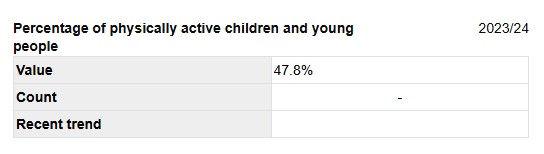
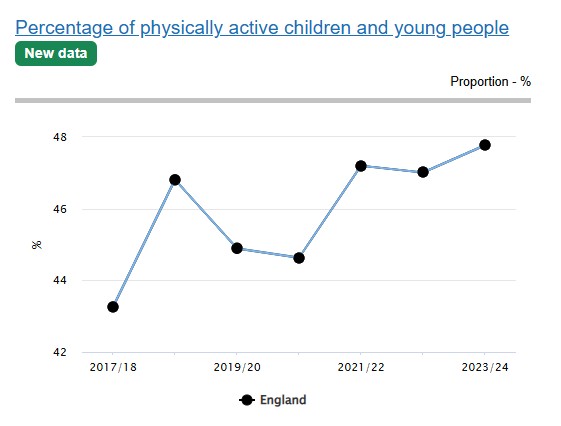
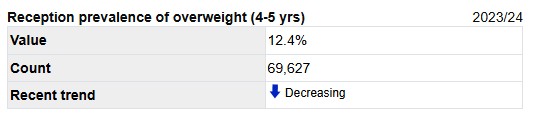
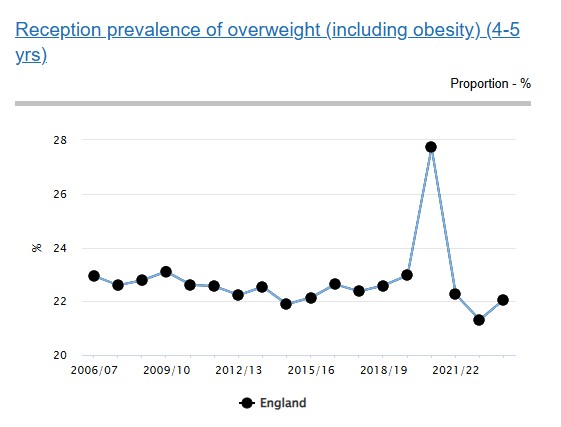
For the maintenance of an effective healthy environment, the appropriate type of healthy environment must be maintained. This is necessary for the reason that when an effective type of healthy environment is maintained then it will provide a better base to grow and develop. In the current lifestyle, many of the children are facing the issue of obesity and this affects the health of the person greatly (Isaacs et al, 2022). This is because of the reason that according to the current lifestyle many of the children have become physically inactive and also they are not having a healthy food intake. Thus, as a result of this, the overall health of the children has been impacted. With the help of the data collected, it is analysed that within the physical activity, the total percentage of physically active children and young people is 47.8%. This is a major health issue that people are facing because being physically inactive is a major issue and risk factor. This is because of the reason that when children are physically inactive then it will impact their overall efficiency and their health. Resulting of physical inactivity, children's obesity is also increasing. With the data from the fingertips, it is clear that the prevalence of overweight including obesity among 4-5 years of children is 22.1 % which counts for nearly 123709 children and the recent trends highlight that it is decreasing and the situation is getting little better. On the other side, in the case of children aged 10-11 years age is 35.8% which counts for 217532 (Obesity profile, 2025). Also, with the evaluation of the trends, it is clear that there are not any significant changes within this number and also, the obesity is continuing to increase.
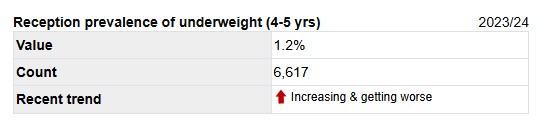
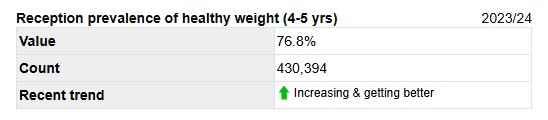
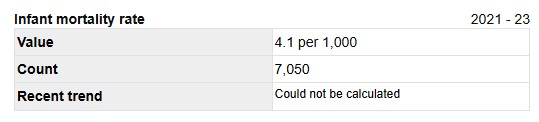
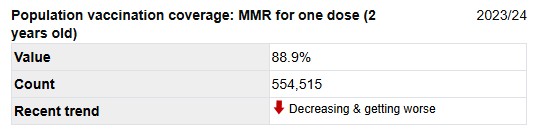
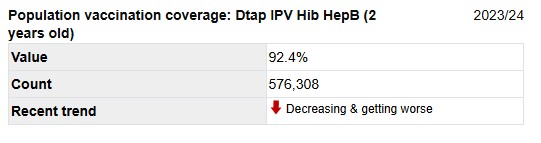
Further, another indicator evaluated is the child and maternal health and with the evaluation, it is clear that the infant mortality rate is 4.1 per 1000 and the count is 7050. Further, the data also reflected that the vaccination coverage for MMR one dose for a 2-year-old child is 88.9% which counts for a total of 554515 and the recent trend highlighted that children are not taking vaccines and with this, the situation is getting worse. Further, in the case of Dtap IPV Hib HepB vaccines for 2-year-old children are also not being taken up and this is 92.4% which totals to nearly 576308 and the situation is getting worse. Further, the set of children in care immunisation counts for 48890 and is 82% and the trend is also decreasing (Child and Maternal Health, 2025). Thus, as a result of this, the overall situation of child and maternal health is not good and effective. This is necessary for the reason that when an effective type of care is provided to the children and maternal health then the situation of health can be improved well. This is necessary for the reason that when the effective type of care environment is not provided then it can impact the working greatly.
Obesity in children
With the above data, it is clear that there are lot many children, facing the issue of obesity. This impacts the health of the person greatly and as a result of this the overall capability is impacted and the child is not able to manage the working better. Based on Salmon’s ecological model, it is clear that all three stages impact the working of the person and lead to an increase in childhood obesity (Russo and Andreucci, 2023). There are certain types of factors and habits of the person which lead to the increase in obesity and impact the health of the person. Also with the above evaluation, there are many different factors which impact and contribute more to the increase in childhood obesity. Based on the data, the Salmon model is described as follows-
- Individual- the first phase of the ecological model by Salmon is the individual level and this includes the habits and the environment in which the individual is living. To have a better life the appropriate type of lifestyle must be maintained. This is necessary for the reason that when an effective type of lifestyle is followed then it will improve the health of the person. In case the individual habits are not appropriate then it will impact the health of the person greatly. There are different types of protective and risk factors which can impact the health of the person (Jessiman et al, 2021). The protective factors are the one which reduces the likelihood of any negative outcome to occur. On the other side, the risk factor is the one which might increase the risk of getting things worse. The risk factors at the individual level which might increase the chances of obesity include unhealthy eating habits. This is the most common risk factor which leads to an increase in obesity. Along with this, another risk factor is the one which includes a lack of physical activity. When children do not follow a good physical activity schedule then it impacts their health and results in an increase in obesity. Thus, to manage these risks, there are certain protective factors as well which can help the child in reducing the effects of obesity. The most common protective factor was to develop the thinking that healthy eating and indulging in physical activity will assist the child in staying healthy and active (Risk and Protective Factors for Child Overweight/Obesity Among Low Socio-Economic Populations in Israel: A Cross-Sectional Study, 2025). Also, the child must develop the values and beliefs that staying healthy will improve the life well. Thus, by following the protective factors, the child can easily develop good habits to remain healthy and improve their living standards.
- Social- this is the level at which the person interacts with the family and friends along with the other people involved. This includes the way of working that the person follows while focusing on living a healthy life. Within the social factor, the barriers include the friends and families who are following the unhealthy lifestyle. This is a major barrier for the person not following a happy and healthy lifestyle. It is due to the reason that when the child sees other people eating unhealthy food then they are also motivated to follow the same habit and ultimately it results in children suffering from obesity (Griffin et al, 2021). Another barrier can be the unhealthy lifestyle trends which are followed by seeing other foreign countries. Many children follow the culture of other foreign countries and as a result of this issue ultimately the children follow the unhealthy culture. On the other side, the facilitator must include enhancing and following the correct type of knowledge so that a better lifestyle can be managed. When the child emphasises learning the benefits of controlling obesity and living a healthy life then it will be beneficial in meeting all the requirements better.
- Environment- within the prevalence of childhood obesity, there are many different environmental factors as well which can either restrict or promote the prevalence of obesity (James et al, 2021). The environmental barriers can include a lack of money to afford a healthy lifestyle can be a major cause of children's obesity. It is due to the reason that when the person does not have enough money to afford a healthy lifestyle then they will be facing many of the health-related issues and obesity is one of them.
Health promotion campaign
With the above evaluation, it is clear that childhood obesity is a major issue which is prevailing high in the countries. Thus, it is necessary for the country and the health regulatory authorities they effectively try to manage this situation and cope with the situation of increased obesity. It is necessary because when the children will be knowing the benefits of being healthy then they will be following the healthy lifestyle only (Mingay et al, 2021). Thus, it is mandatory for community healthcare practitioners they effectively try to manage and maintain a healthy lifestyle so that the overall work is improved well. Thus, the health promotion campaign is designed to promote physical activity among children. This is necessary the reason that when the child is physically strong and active then the chances of getting obese are reduced. Thus, this health promotion campaign will assist in managing the health of the child better and try to reduce obesity.
The objective of the current health promotion is to promote awareness relating to indulging in physical activity so that obesity can be controlled. The campaign is aimed at developing the understanding of the children to get involved in physical activities so that they can manage obesity well (Johnson and Woodall, 2022). The campaign will include the imparting and sharing of knowledge relating to different physical activities and the benefits which the person will get through it. It includes activities like dancing, swimming, playing outdoor games like basketball, cricket, running, trekking, aerobic activities and many other different types of physical exercises and activities. Thus, it is beneficial for the children that when they will be following the present campaign then it will be assistive to them to manage their health well and also to ensure that the physical exercise is done (Brown et al, 2022). When the physical exercise is continuously done then it will promote the working better and their physical development will take place and ultimately the emotional and cognitive development will also take place.
CONCLUSION
Lastly, it is concluded that maintaining a healthy lifestyle is very necessary as when good health is not maintained then it impacts working greatly. Thus, for this, a good lifestyle must be followed by the people. The above data highlighted that childhood obesity is increasing and also that maternal health is not good. The protective factors highlighted above include following a healthy lifestyle and educating oneself and others. Moreover, environmental and social factors also influence obesity as currently, unhealthy eating habits are prevailing. At last, the health promotion campaign is prepared to develop the interest of the children towards physical activity. This included promoting indulgence in physical activity and exercise so that children can remain strong and healthy and also are in a position to control obesity.
REFERENCES
Books and Journals
- Brown, V., Moodie, M., Sultana, M., Hunter, K.E., Byrne, R., Seidler, A.L., Golley, R., Taylor, R.W., Hesketh, K.D. and Matvienko-Sikar, K., 2022. Core outcome set for early intervention trials to prevent obesity in childhood (COS-EPOCH): Agreement on “what” to measure. International Journal of Obesity, 46(10), pp.1867-1874.
- Griffin, N., Phillips, S.M., Hillier-Brown, F., Wistow, J., Fairbrother, H., Holding, E., Powell, K. and Summerbell, C., 2021. A critique of the English national policy from a social determinants of health perspective using a realist and problem representation approach: the ‘Childhood Obesity: a plan for action’(2016, 2018, 2019). BMC Public Health, 21, pp.1-10.
- Isaacs, A., Halligan, J., Neve, K. and Hawkes, C., 2022. From healthy food environments to healthy wellbeing environments: policy insights from a focused ethnography with low-income parents’ in England. Health & place, 77, p.102862.
- James, M., Marchant, E., Defeyter, M.A., Woodside, J. and Brophy, S., 2021. Impact of school closures on the health and well-being of primary school children in Wales UK: a routine data linkage study using the HAPPEN survey (2018–2020). BMJ open, 11(10), p.e051574.
- Jessiman, P.E., Powell, K., Williams, P., Fairbrother, H., Crowder, M., Williams, J.G. and Kipping, R., 2021. A systems map of the determinants of child health inequalities in England at the local level. PLoS One, 16(2), p.e0245577.
- Johnson, M.I. and Woodall, J., 2022. A healthy settings approach to addressing painogenic environments: new perspectives from health promotion. Frontiers in Pain Research, 3, p.1000170.
- Mingay, E., Hart, M., Yoong, S. and Hure, A., 2021. Why we eat the way we do: a call to consider food culture in public health initiatives. International Journal of Environmental Research and Public Health, 18(22), p.11967.
- Russo, A. and Andreucci, M.B., 2023. Raising healthy children: promoting the multiple benefits of green open spaces through biophilic design. Sustainability, 15(3), p.1982.
Online
- Risk and Protective Factors for Child Overweight/Obesity among Low Socio-Economic Populations in Israel: A Cross-Sectional Study. 2025. Online. Available through: <http://pmc.ncbi.nlm.nih.gov/articles/PMC6113577/>
- Child and maternal health. 2025. Online. Available through: <https://fingertips.phe.org.uk/profile/child-health-profiles/data#page/1>
- Obesity profile. 2025. Online. Available through: <https://fingertips.phe.org.uk/profile/national-child-measurement-programme/data#page/1/ati/15>