
LC460 Wellbeing in Society Assignment Sample
Wellbeing and Mental Health in the UK: Challenges and Strategies
- 92650+ Project Delivered
- 1500+ Experts 24x7 Online Help
- No AI Generated Content


- 1. Introduction - LC460 Wellbeing in Society Assignment Sample
- 2. Key Concepts Related to Wellbeing
- 2.1 Social Determinants of Health
- 2.2 Biopsychosocial Model of Wellbeing
- 3. Key Issues Affecting the Wellbeing of People with Mental Health Issues in the UK
- 3.1 Stigma and Discrimination
- 3.2 Access to Mental Health Services
- 3.3 Impact of Social Isolation and Loneliness
- 3.4 Economic Challenges
- 4. Strategies and Initiatives to Enhance Wellbeing
- 4.1 National Strategies
- 4.2 Local Initiatives
- 4.3 International Approaches
1. Introduction - LC460 Wellbeing in Society Assignment Sample
A happy life depends on physical, mental, and social health. Governments and other organisations worldwide are promoting public health as its worth rises. UK mental health issues including anxiety and depression are growing. This should raise issues for businesses and individuals. Mental health is crucial to national well-being.
Given the relationship between housing, education, work, and healthcare, mental health is the British government's top public health concern. World Health Organisation programs like the Mental Health Action Plan have substantially influenced local policy. One long-term goal of the National Health Care Plan is to streamline mental health care nationwide. Stigma, high wait times, and a lack of resources may still affect mental health patients.
The primary wellness agenda factors will be examined domestically and globally in this article. It will explore fundamental mental health and wellness concepts before examining the biggest UK challenges today. National and local mental health initiatives and ideas for dramatic system changes will also be discussed.
Why burn the midnight oil alone? Partner with New Assignment Help and experience stress-free studying. We provide comprehensive support across all subjects and academic levels.
2. Key Concepts Related to Wellbeing
2.1 Social Determinants of Health
"Social determinates of health" (SDH) is the terminology used to describe the interaction of an individual's physical and mental health with their socioeconomic and financial situation. Major factors influencing mental health outcomes include social support, job, housing, education, and financial stability. People from low-income backgrounds in the UK are more prone to experience anxiety and hopelessness (Burton et al., 2023). When one's ability to handle food, money, and healthcare is compromised, they become increasingly important. Those who live in shelters or are homeless are more likely to suffer from social isolation, mental illness, and drug usage.
Higher degrees of education significantly affect people's lives as those with lesser degrees of education are more prone to suffer financially, have bad mental health, and have fewer career possibilities. Once mental health benefits from consistent employment, it gives structure, social support, and goal direction. On the other hand, worries about unemployment or job stability are linked to great mental suffering (San Juan et al., 2021). Some people already struggled greatly to get the mental health therapy they need before the COVID-19 epidemic. Policies guaranteeing everyone has equal access to reasonably priced housing, healthcare, and work opportunities will help to improve mental health in the United Kingdom.
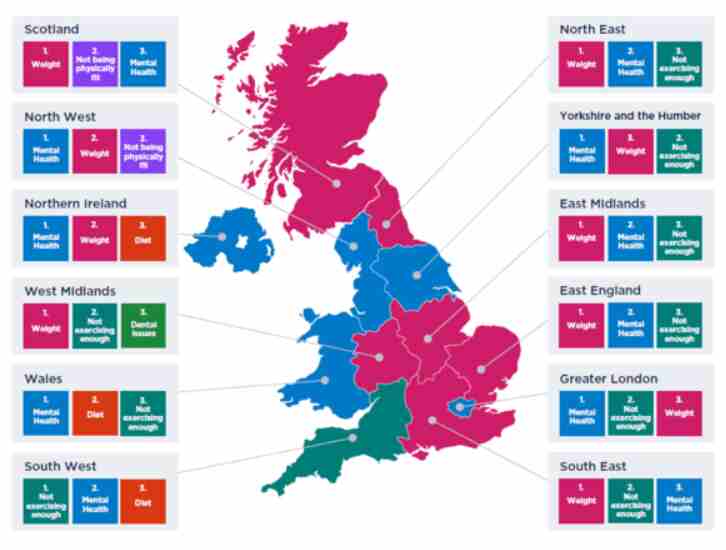
Figure 1: Health Concerns in the UK
2.2 Biopsychosocial Model of Wellbeing
George Engel's biopsychosocial model considers the psychological, social, and biological elements of mental health, therefore offering a comprehensive picture of mental health research. This point of view recognises that one's mental health is influenced by several elements including heredity, previous events, and surroundings. Conversely, classical biology gave physiological elements more importance. Mental diseases like depression and schizophrenia may have their origins in aberrant brain chemistry and defective gene expression. Psychological factors include cognitive processes, upsetting events, and coping strategies that may all affect a person's capacity to control their feelings and effectively recover. Social elements influencing mental health and its effects include culture, interpersonal dynamics, and social support as well as others (Bolton, 2022). While having a social network of individuals who have your back could help with some of your stress, feelings of alienation and prejudice can greatly worsen matters. Underlying mental health policy in the United Kingdom is the biopsychosocial paradigm. This idea is mostly based on the requirement of integrated care, which combines treatment with social support and medical aid. Through analysis of the interrelationships among numerous elements, the model offers a thorough and unique approach to mental health treatment. This approach will ensure that every patient will get a tailored treatment plan.
3. Key Issues Affecting the Wellbeing of People with Mental Health Issues in the UK
3.1 Stigma and Discrimination
More and misuse of significant obstructions for those with mental problems looking for treatment, tracking down work, and completely partaking in English society. Indeed, even with different missions intended to bring issues to light, mistaken assumptions about psychological wellness keep individuals from appropriately putting themselves out there and feeling like they have a place. It is normal to oppress those with psychological wellness issues at work. Pessimistic sentiments regarding the capacity of individuals with emotional well-being issues to take care of their responsibilities make a few organizations hesitant to enlist or progress such individuals. Dwyer et al., (2020) overview demonstrates that numerous specialists with psychological well-being issues are hesitant to advocate because of a paranoid fear of retaliation or excusal. Individuals might go against predisposition in a wide range of conditions, including those connected with medication. Clinical staff individuals might ignore them, so they run the risk of getting either lacking or deferred care. Then again, Ohadomere et al., (2020), saw that many individuals defer treatment due to cultural disgrace, figuring they will be judged or seeing themselves as frail. Keeping up with government-funded schooling, giving psychological well-being consideration a main concern in the working environment strategy, and fortifying the enemy of segregation regulations would assist us in tackling these issues.
3.2 Access to Mental Health Services
Stigma and abuse are major obstacles for those with mental disorders seeking treatment, finding work, and fully participating in British society. Even with various campaigns meant to raise awareness, misunderstandings about mental health issues still prevent people from properly expressing themselves and feeling like they belong (Glazzard et al., 2020). It is not unusual for discrimination against those with mental health issues on the job. Negative opinions regarding the ability of people with mental health issues to do their jobs cause some companies to be reluctant to recruit or advance such people.
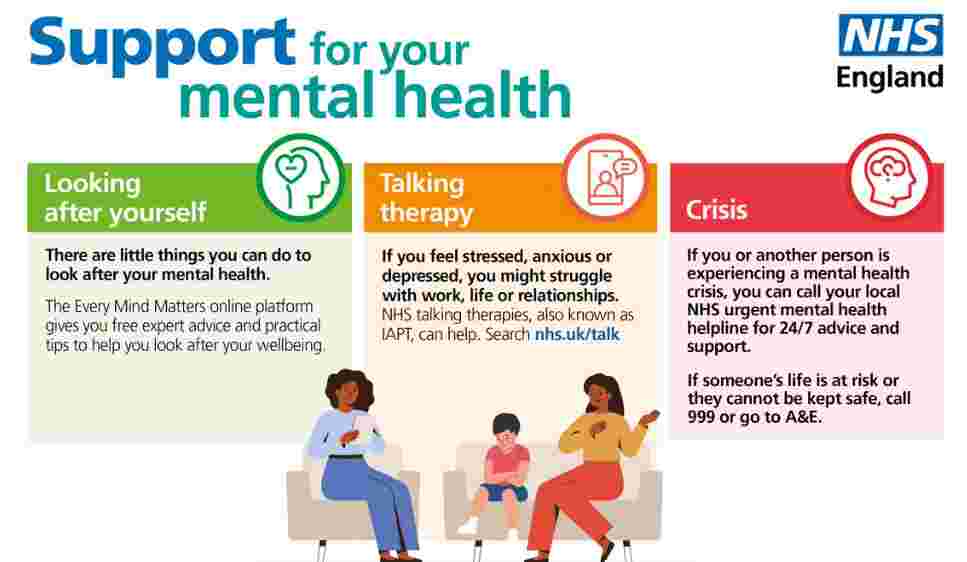
Figure 2: Access to Mental Health
A Mind (2021) survey indicates that many workers with mental health problems are reluctant to advocate for fear of reprisal or dismissal. People may run against bias in many different environments, including those related to medicine. Medical staff members may overlook them, so they run the danger of getting either insufficient or delayed care (mindsharepartners.org, 2025). Many people postpone therapy because of societal shame, thinking they will be judged or seeing themselves as weak. Maintaining public education, giving mental health inclusion a top priority in the workplace policy, and strengthening anti-discrimination laws would help us to solve these problems.
3.3 Impact of Social Isolation and Loneliness
Being alone merely makes mental health problems worse, therefore extending the vicious cycle of suffering. Many people with mental health problems withdraw from others depending on shame, anxiety, or sadness. The COVID-19 epidemic also aggravated anxiety and depressed moods. Lockdowns and other kinds of social isolation cause people already to feel alienated. More than a third of Britons said during the 2020 epidemic, the Mental Health Foundation discovered, felt more lonely than normal (Campbell et al., 2022). The results of this study emphasise the need for social contact for psychological health and well-being. Recovering is difficult, and it gets more alienating for those prevented from engaging in job hunts, community activities, or educational possibilities. Legislation encouraging human connection, community-led projects, and peer support groups would help people be less prone to feel lonely. Under this area are initiatives such as community mental health centres and buddy programs.
3.4 Economic Challenges
Accordion to Cowie et al., (2021), Mental disorders not only hurt the quality of life of individuals who are acutely affected by them and render them unable to function normally, but they also result in enormous financial and medical costs. The economic effect of mental illness in England was estimated to be 300 billion pounds in 2022, which is more than double the budget of the National Health Service (NHS) (statista.com, 2025). The loss of labour and tax revenues that resulted from economic inactivity was deemed to be the most important financial consequence that occurred throughout the period. In the year 2022, the United Kingdom had a high prevalence of stress and depression, with incidences of 51 per cent and 19 per cent, respectively for these conditions. A total of approximately 875,000 workers in Great Britain reported experiencing stress, despair, and anxiety connected to their jobs during the years 2022 and 2023, representing the second-highest level achieved since 2008 (statista.com, 2025). In addition, the number of deaths that were attributed to mental and behavioural diseases was substantial, surpassing 41,000 in England and Wales in the year 2021.
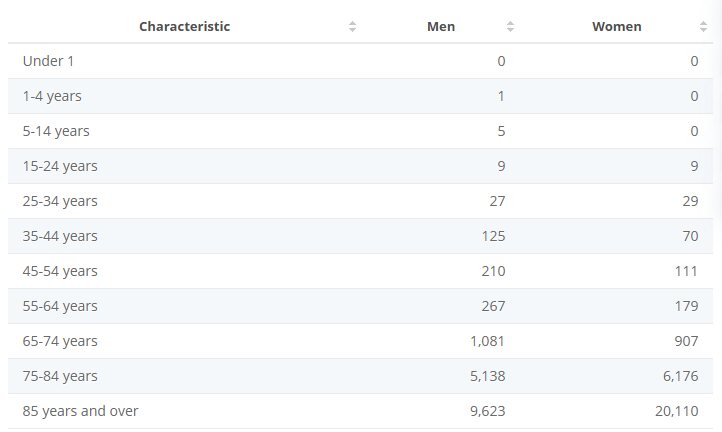
Figure 3: Death Caused by Mental Health Behaviour
4. Strategies and Initiatives to Enhance Wellbeing
4.1 National Strategies
According to Yoon et al., (2023), the UK government started many state-sponsored projects aiming at improving mental health treatment in response to the growing demand for such treatments. Particularly for young people, the National Health Service Long Term Plan (2019) has an ambitious goal of simplifying access to mental health care. Important elements of this approach include crisis response teams with specialist training and operating mental health hotlines all around the clock. Included in the idea also are online cognitive-behavioural therapy (CBT) and telepsychiatry. Digital therapy might be of use for people unable to visit their physicians' offices for in-person appointments (longtermplan.nhs.uk, 2025). One main project aiming at merging normal healthcare with social services and mental health treatment is the Community Mental Health Framework. This strategy improves person-centred treatment by ensuring that every person gets thorough help fit for their particular needs. The government of the United Kingdom is striving towards a more easily available and flexible mental health system for every member of society. The goal is to shift attention from inpatient treatment to improved community-based care.
4.2 Local Initiatives
Local community and business-based projects aiming at enhancing mental health have been carried out in many numbers. People are starting to give these projects some thought. Programs encouraging mental health are urged by businesses to be included in their Mental Health at Work Commitment. Among these rules are programs to help staff members, first aid for mental health, and flexible work hours. When staff members are not reluctant to seek help when needed, the workplace becomes better (Søvold et al., 2021). The demanding nature of their employment causes workers' mental health problems; thus, these behaviours increase the likelihood of stressful situations. Peer support groups represent a useful local strategy. Those who have experienced mental health problems might decide to tell their tales to support others going through the same things. One approach that has been demonstrated to improve patients' health and satisfaction is "social prescribing". According to the Demou et al., (2020), doctors should make plans for their patients to engage in extracurricular activities like gardening, fitness programs, and artistic lessons. These initiatives seek to enhance mental health through social isolation, interpersonal conflicts, and other relevant health issues.
4.3 International Approaches
The British government considers advice for mental health policy from around the world. The Mental Health Action Plan was developed by the World Health Organisation (WHO) to help enhance mental health treatment. This approach aims to improve financing for mental health treatment, therefore empowering those suffering from mental illnesses. Its secondary goal is to include mental health in primary care delivery (Kuyken et al., 2022). This approach offers worldwide direction. In the UK especially on the expansion of community-based mental health care, this approach has had a major influence. The UK has also adopted Scandinavian ideas stressing outpatient mental health treatment initiatives over inpatient care. In many mental health systems, community-integrated treatment has proved to be rather successful. Two of them are Denmark and Sweden. As per as Ventriglio et al., (2021), this ensures that patients will obtain ongoing, individualised care. The need to invest in early intervention, strong community networks, and prevention concerning mental health is emphasised by these initiatives.
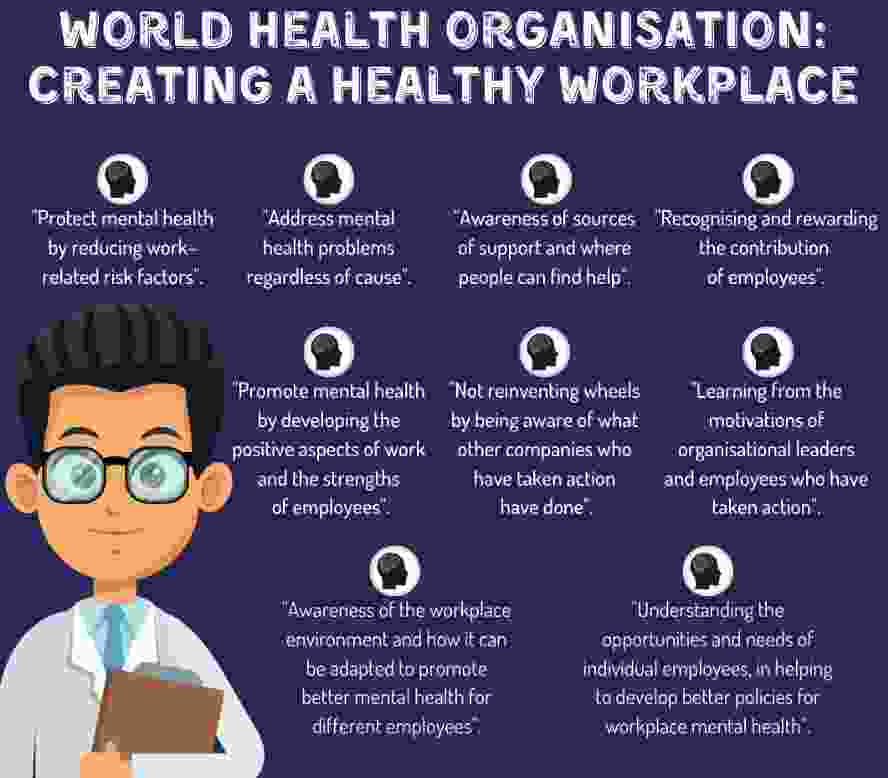
Figure 4: WHO Mental Health Wellness
5. Conclusion
Living with mental illness in the UK presents various medical, financial, and social issues that compromise quality of life. Problems include social isolation, embarrassment, and a lack of services that persist throughout national and regional initiatives as well as international standards that have made it simpler to receive treatment. Keeping up with finance for incorporated, local area situated, and individual-focused strategies is fundamental to give fair psychological well-being treatment and to advance long haul well-being across a differed segment premise.
References
- Bolton, D. (2022). Looking forward to a decade of the biopsychosocial model. BJPsych Bulletin, 46(4), 228-232. https://www.cambridge.org/core/services/aop-cambridge-core/content/view/374EF97169960EDE8984FA356D500648/S2056469422000341a.pdf/looking_forward_to_a_decade_of_the_biopsychosocial_model.pdf
- bupa.com, (2025). Top UK health concerns for 2023 revealed Available at: https://www.bupa.com/news-and-press/press-releases/2023/top-health-concerns-for-2023 [Accessed on 30.01.2025].
- Burton, A., McKinlay, A., Aughterson, H., and Fancourt, D. (2023). Impact of the COVID-19 pandemic on the mental health and well-being of adults with mental health conditions in the UK: a qualitative interview study. Journal of Mental Health, 32(6), 1040-1047. https://www.tandfonline.com/doi/pdf/10.1080/09638237.2021.1952953
- camhsprofessionals.co.uk, (2025). World Health Organisation: Creating A Healthy Workplace Available at: https://camhsprofessionals.co.uk/2020/07/10/world-health-organisation-creating-a-healthy-workplace-%F0%9F%8C%8D/ [Accessed on 30.01.2025].
- Campbell, F., Blank, L., Cantrell, A., Baxter, S., Blackmore, C., Dixon, J., and Goyder, E. (2022). Factors that influence mental health of university and college students in the UK: a systematic review. BMC public health, 22(1), 1778. https://link.springer.com/content/pdf/10.1186/s12889-022-13943-x.pdf
- Cowie, H., and Myers, C. A. (2021). The impact of the COVID‐19 pandemic on the mental health and well‐being of children and young people. Children and Society, 35(1), 62-74. https://onlinelibrary.wiley.com/doi/pdfdirect/10.1111/chso.12430?download=true
- Demou, E., Hale, H., and Hunt, K. (2020). Understanding the mental health and wellbeing needs of police officers and staff in Scotland. Police Practice and research, 21(6), 702-716. https://www.tandfonline.com/doi/pdf/10.1080/15614263.2020.1772782
- Dwyer, P., Scullion, L., Jones, K., McNeill, J., and Stewart, A. B. (2020). Work, welfare, and wellbeing: The impacts of welfare conditionality on people with mental health impairments in the UK. Social Policy and Administration, 54(2), 311-326. https://onlinelibrary.wiley.com/doi/pdfdirect/10.1111/spol.12560
- Glazzard, J., and Rose, A. (2020). The impact of teacher well-being and mental health on pupil progress in primary schools. Journal of Public Mental Health, 19(4), 349-357. http://eprints.leedsbeckett.ac.uk/6268/1/TheImpactOfTeacherWellBeingAM-GLAZZARD.PDF
- Glazzard, J., and Rose, A. (2020). The impact of teacher well-being and mental health on pupil progress in primary schools. Journal of Public Mental Health, 19(4), 349-357. http://eprints.leedsbeckett.ac.uk/6268/1/TheImpactOfTeacherWellBeingAM-GLAZZARD.PDF
- Kuyken, W., Ball, S., Crane, C., Ganguli, P., Jones, B., Montero-Marin, J., ... and MYRIAD Team. (2022). Effectiveness and cost-effectiveness of universal school-based mindfulness training compared with normal school provision in reducing risk of mental health problems and promoting well-being in adolescence: the MYRIAD cluster randomised controlled trial. BMJ Ment Health, 25(3), 99-109. https://mentalhealth.bmj.com/content/ebmental/25/3/99.full.pdf
- Lister, K., Seale, J., and Douce, C. (2023). Mental health in distance learning: a taxonomy of barriers and enablers to student mental wellbeing. Open Learning: The Journal of Open, Distance and e-Learning, 38(2), 102-116. https://www.tandfonline.com/doi/pdf/10.1080/02680513.2021.1899907
- longtermplan.nhs.uk, (2025). Creating a new 10-Year Health Plan Available at: https://www.longtermplan.nhs.uk/ [Accessed on 30.01.2025].
- mindsharepartners.org, (2025). 2021 Mental Health at Work Report Available at: https://www.mindsharepartners.org/mentalhealthatworkreport-2021 [Accessed on 30.01.2025].
- Ohadomere, O., and Ogamba, I. K. (2020). Management-led interventions for workplace stress and mental health of academic staff in higher education: a systematic review. The Journal of Mental Health Training, Education and Practice, 16(1), 67-82. https://pureportal.coventry.ac.uk/files/37978970/Binder8.pdf
- San Juan, N. V., Aceituno, D., Djellouli, N., Sumray, K., Regenold, N., Syversen, A., ... and Vindrola-Padros, C. (2021). Mental health and well-being of healthcare workers during the COVID-19 pandemic in the UK: contrasting guidelines with experiences in practice. BJPsych open, 7(1), e15. https://www.cambridge.org/core/services/aop-cambridge-core/content/view/B513349E66E11CE03165F5E394A4D6C4/S2056472420001489a.pdf/div-class-title-mental-health-and-well-being-of-healthcare-workers-during-the-covid-19-pandemic-in-the-uk-contrasting-guidelines-with-experiences-in-practice-div.pdf
- shropshiretelfordandwrekin.nhs.uk, (2025). Mental Health Services Available at: https://www.shropshiretelfordandwrekin.nhs.uk/your-health/where-to-get-advice-and-help/mental-health-services/ [Accessed on 30.01.2025].
- Søvold, L. E., Naslund, J. A., Kousoulis, A. A., Saxena, S., Qoronfleh, M. W., Grobler, C., and Münter, L. (2021). Prioritizing the mental health and well-being of healthcare workers: an urgent global public health priority. Frontiers in public health, 9, 679397. https://www.frontiersin.org/articles/10.3389/fpubh.2021.679397/pdf
- statista.com, (2025). Mental health in the United Kingdom (UK) - statistics and facts Available at: https://www.statista.com/topics/8164/mental-health-in-the-uk/#topicOverview [Accessed on 30.01.2025].
- Ventriglio, Antonio, Julio Torales, João M. Castaldelli-Maia, Domenico De Berardis, and Dinesh Bhugra. "Urbanization and emerging mental health issues." CNS spectrums 26, no. 1 (2021): 43-50. https://www.cambridge.org/core/services/aop-cambridge-core/content/view/A458AD66F75A7A9711688B695043F9B2/S1092852920001236a.pdf/div-class-title-urbanization-and-emerging-mental-health-issues-div.pdf
- Yoon, Y., Eisenstadt, M., Lereya, S. T., and Deighton, J. (2023). Gender difference in the change of adolescents’ mental health and subjective wellbeing trajectories. European Child and Adolescent Psychiatry, 32(9), 1569-1578. https://journals.plos.org/plosone/article/file?id=10.1371/journal.pone.0262562andtype=printable