
Substance Use And Society Assignment Sample
Critically Analyse Why People Take Drugs
- 92650+ Project Delivered
- 1500+ Experts 24x7 Online Help
- No AI Generated Content



Introduction - Substance Use And Society Assignment Sample
Drug use as a social phenomenon has been emerging from a labelled and penalized status to a more general allusion over time across societies. Discussion about whether the use of substances has been normalized has grown due to the higher prevalence of drug use, especially among young people. Others argue that drug use is no longer confined to marginalized groups but is a common occurrence in the lives of young people.
Transform your academic performance with our professional Assignment Helper service! We offer personalized support that meets your unique requirements and exceeds your expectations every time.
To contest the theory that drugs have been normalized, this essay critically investigates five key dimensions of the availability of drugs, experimentation rates, frequency of use, social acceptance among non-users and integration of drug use into cultural and leisure activities. This view is supported by supporters who argue that these factors are a reflection of the shift in the social attitude towards the use of drugs. However, critics argue this is an exaggeration of the extent of normalization and overlook the regional differences and the remaining anti-drug attitude.
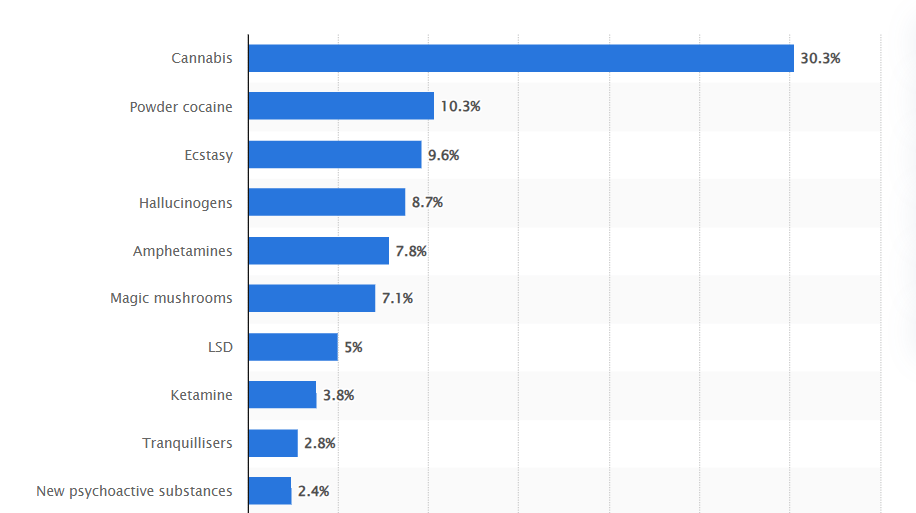
Figure 1: Illicit drug usage in the UK 2023 by type
(Source: Statista.com, 2023)
In 2023/24, around one in three (30 %) of people in England and Wales aged 16 to 59 years who had ever used drugs had used cannabis at least once. The following items of consumption are powder cocaine (10.3 % of those surveyed) and ecstasy (9.6%). Despite growing efforts aimed at addressing the reasons for drug use, the rationale for drug use continues to be central in shaping policies and prevention strategies devoted to drug abuse as well as in designing targeted interventions. First, the core principles of normalization and its defining characteristics will be discussed. Then, it engages with opposing perspectives that challenge the universality of this theory and takes up arguments that designate that drug use remains stigmatized in several social and legal contexts. The essay will finally look at whether contemporary trends and policy changes reinforce or contradict the idea that has come to be that drug use has entered into a more fully normalized time.
History of Drug Use
The Presence of Opium in Historical Societies
For centuries, opium has dominated human civilization, both as a medicine and a recreation in many countries. Opium was historically used to relieve pain, gain relaxation, and for religious rituals (Vadhel et al., 2023). Ancient societies in Mesopotamia, China, and Egypt recognized its therapeutic properties and used it to treat ailments like insomnia, gastrointestinal problems, and postoperative pain (Kgatle and Thinane, 2023). In the 18th and 19th centuries, opium was widely accepted as a remedy in Europe, especially in the UK, and laudanum (an opium and alcohol mix) was a standard medicine in many households. Doctors regularly prescribe it for a very long list of conditions, such as coughing, diarrhoea and even mental disorders (Roberts, 2019).
Opium became a major international trade during the British Empire’s expansion. Britain’s involvement in the opium trade resulted in the Opium Wars (1839 to 1860), a direct result of which was that addiction became a crisis in China on a large scale (Collins, 2020). During the nineteenth century, regulations increased because of concern over opium dependency and its social problems.
When Was Opium Use Controlled in the UK?
It was only an evolutionary response to opium consumption for the UK. Opium was plentiful and advocated by some physicians until a call went out following concerns about addiction (Siegel, 2020). The Pharmacy Act of 1868 was an early legislative measure to regulate the sale of opium and other potent drugs (Ferner and Aronson, 2022). Such a law limited public access by forcing pharmacists to distribute it. It was not until 1920, with the passing of the Dangerous Drugs Act, however, that opium and other narcotics were forbidden substances. The result was that this act severely curtailed the opium trade and usage and was thus a turning point of modern drug legislation in the UK. The Misuse of Drugs Act 1971 also classified opium and its derivatives as strictly controlled by law under this point, and placing further restrictions on its uncontrolled use and possession (Home Office, 2022).
The Influence of Socioeconomic Factors on Drug Use
Drug use is not a choice limited to the individual but is also determined by more prominent global, socioeconomic factors. Several studies prove that poverty, unemployment, and social exclusion increase the use and addiction of drugs. People in economic hardship often use substances in an attempt to relieve stress and mental distress temporarily. Spooner and Hetherington (2005, as cited in Teeson, 2012:45) maintain that individuals living in low-income families are at a higher risk of drug use because of instability in finances, limited access to education, and no employment opportunities.
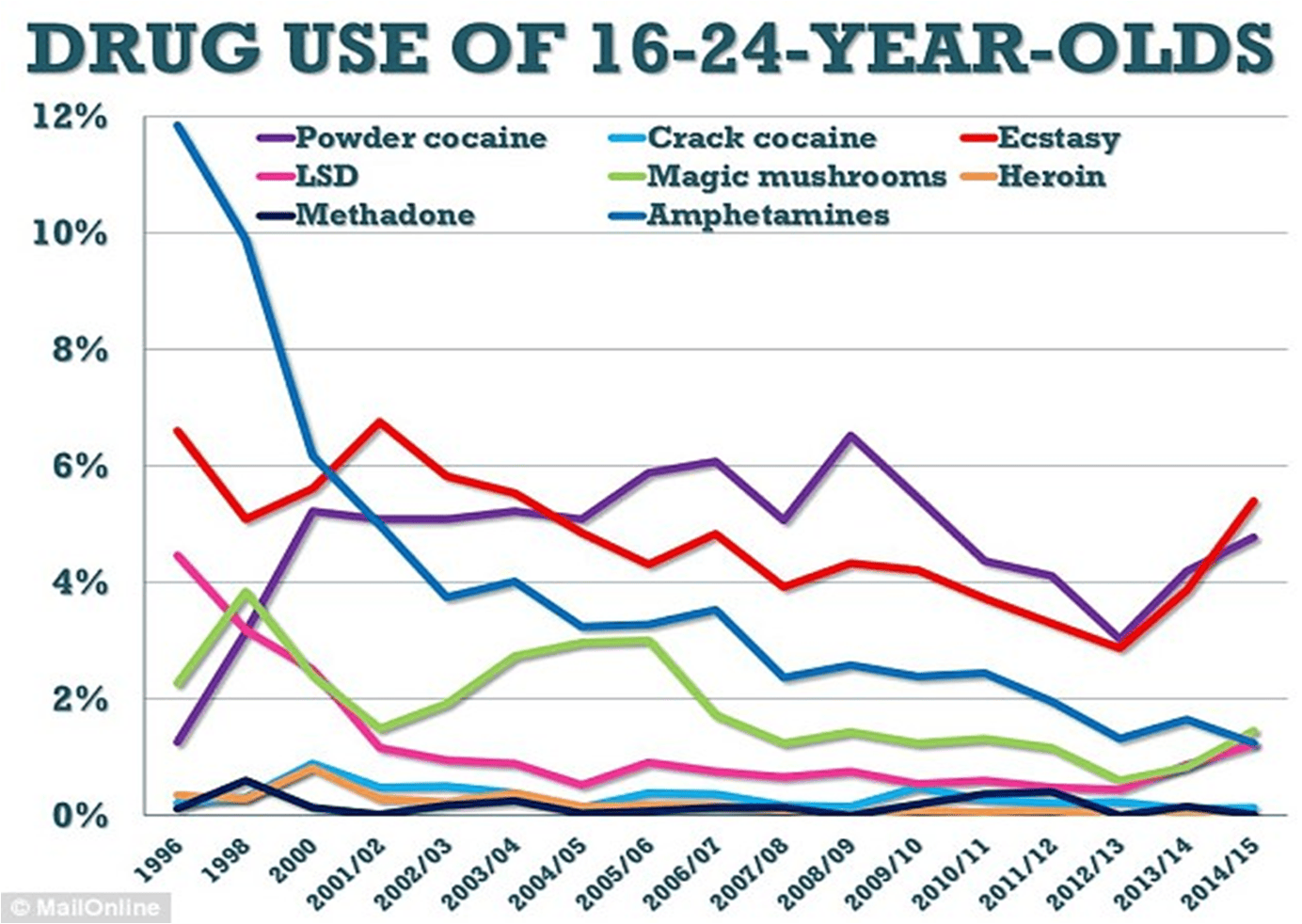
Figure 2: Drug Use Among 16-24-Year-Olds in the UK
(Source: Lecture materials)
Fluctuations over the years did not vary much between the most commonly used Ecstasy and Powder Cocaine but continued to reign among the drugs used by this age group. Ecstasy use peaked around 2002/03 at around 7% and has now gently declined; it had risen slightly again in 2013/14 (Lecture materials). Powder Cocaine use rose to around 6% in 2008/09 before a slight decline and a small increase in 2014/15. It had been a time when amphetamine use was once relatively high but is moving away from stimulant-based substances, meaning the use has decreased. Moreover, according to Beniart et al. (2002), environmental factors, including family dynamics and community conditions, can significantly determine whether a person experiments with drugs. People of young age who grow up in the places that have high crime rate and lack of social support are more prone to use of substance.
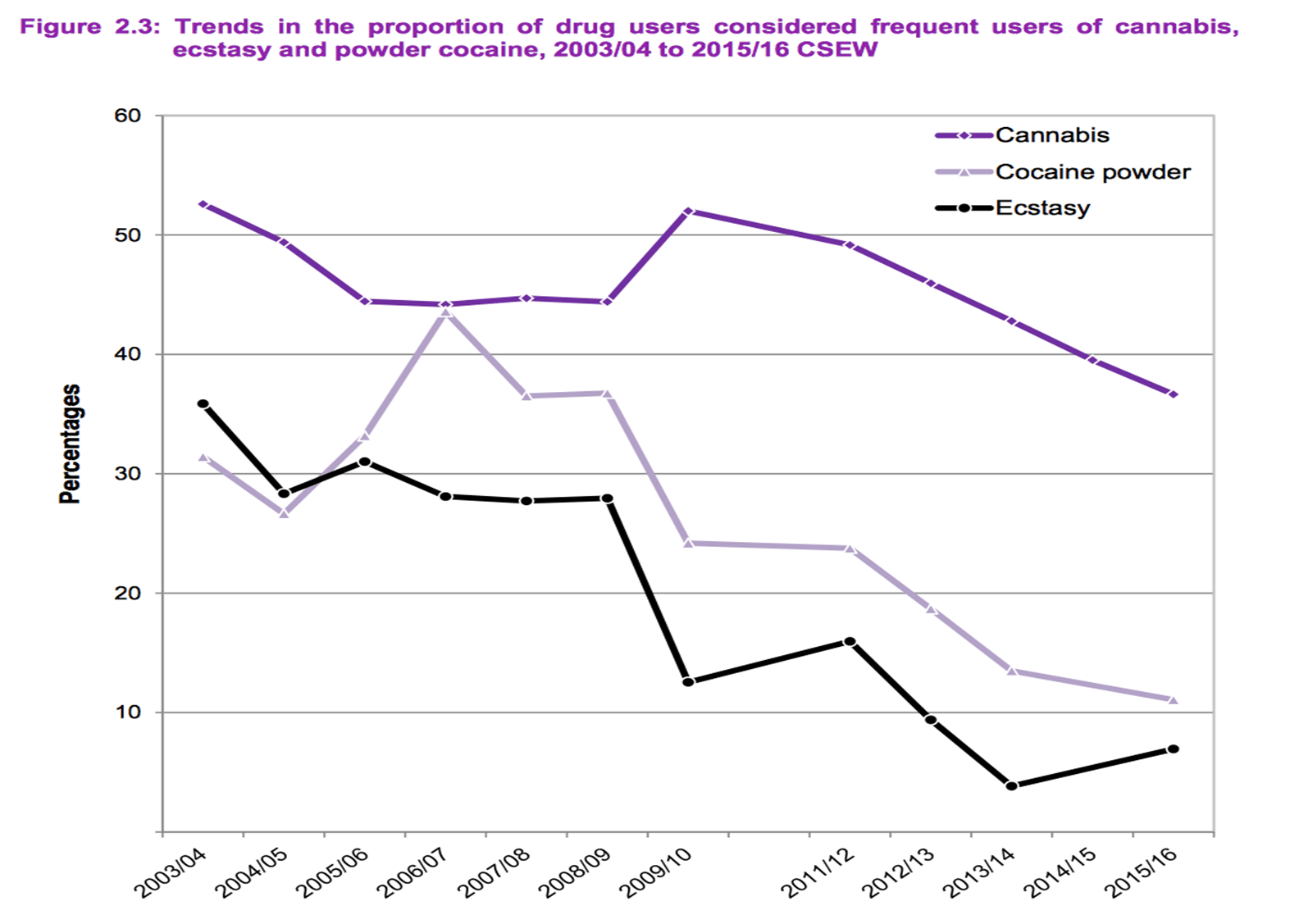
Figure 3: Trends in Frequent Drug Use: Cannabis, Cocaine, and Ecstasy
(Source: Lecture materials)
Despite that, the use of cannabis continued to decrease steadily from below 50% in 2003/04 to below 40% in 2015/16 as the most commonly used drug. This implies that while cannabis is often used, habitual or frequent use of cannabis has decreased. Frequent use of cocaine powder fluctuated between the years 2007/08, peaking at nearly 50% in 2007/08 and sharply declining significantly after 2009/10 (Lecture materials). The reason for this may be due to raised awareness of health risks, differences in availability of drugs, or attitudes towards cocaine use.
The Industrial Revolution and the Emergence of Modern Narcotic Utilization
Para pharmacologic discoveries of the 19th century involved extracting and purifying individual active principles from plants, causing the emergence of real pharmaceuticals (Chaachouay and Zidane, 2024). Morphine, the first isolate from opium, had been isolated in 1804 and had been prescribed as a pain reliever and became extremely popular among soldiers due to wars. The substance was initially extracted from the leaves of the plant in 1859 as a follower of cocaine in addition to being used as a stimulant as well as a treatment for many diseases (Fitzgerald, Heinrich and Booker, 2020). It was in 1874 that heroin was first synthesized in a laboratory using codeine as its base, and it was marketed as being less addictive than morphine. Coca-Cola once contained small quantities of cocaine since the popularization of the usage of drugs in products.
The 20th Century: Drug Regulation and the War on Drugs
The early 1900s saw the early measures that control drugs in the UK (Policy Navigator, 2024). Growing social concerns over addiction and substance abuse caused these early measures that control drugs in the UK he 1920 Dangerous Drugs Act was among the first of the significant legal measures the UK put forward to regulate imports, exports and sale of opium and cocaine (DEA Museum 2021), and this was around the same time as alcohol was heavily policed as well With increasing concerns about illegal drug use (especially during the counterculture movement of the 1960s and 1970s) and a popular countercultural group using such substances as LSD, cannabis and amphetamines, strict legal restrictions on their use were written under the Misuse of Drugs Act 1971 (Richert and Dyck, 2019).
21st Century: Perceptions on Drug Use: A Shift
Over decades, the general perception regarding the use of drugs has changed, with the primary focus being on the prevention of harm/ and medical uses (Cheeta et al., 2018). The use of marijuana has been legalized in many countries and states for medical and other purposes due to the changing social attitude. The healing benefit of mental disorders with psychedelics plants such as psilocybin-containing mushrooms and MDMA have been brought up as science focus (Crépault et al., 2023). Harm reduction measures like needle exchange and legal injection site have been embraced by policymakers as a way to lower the risk of using drugs.
Models of Drug Use: The Moral Model
With the Moral Model of addiction, substance abuse is due to a moral failure, not a medical or psychological condition (Rise and Halkjelsvik, 2019). This means that drug users have complete power over their behaviour, and if addiction exists, it is a result of insufficient willpower, poor judgment and poor character.
The Role of Free Will in the Moral Model
Further, this model also supposes that individuals can choose to cancel or hold up the deal by starting to imbibe. The moral model sees choice as the only cause of addiction and that those who use drugs do so by their own free will (Earp et al., 2019).
Victim Blaming in the Moral Model
One criticism of the moral model is that it puts the blame on the individual for his addiction and fails to recognize the role of biological, psychological, and social factors in the disease of substance dependence (Earp et al., 2019). Oftentimes, people suffering from addiction are shunned and treated differently than other people would.
Intervention and the War on Drugs
The intervention strategies under this model focus on punishment, criminalization, and deterrence rather than treatment or rehabilitation. America’s War on Drugs (Block and Bullington, 1990), for example, sought to stifle this through harsh sentencing laws, locking up millions, as well as zero-tolerance policies (Cohen et al., 2022). However, critics say that this method did not substantially reduce drug use and instead hurt marginalized communities proportionately.
Criticism of the Moral Model
The primary reason not to accept the moral model is that the model greatly simplifies addiction, overlooking scientific evidence that addiction has biological and environmental causes (Bullington, 2020). The moral model is seen as an out-of-date and ineffective treatment approach for addressing substance use as it only focuses on punishment instead of treatment.
Normalisation Theory and Its Five Key Dimensions
Availability and Access
The expanding access to drugs has been a prime factor that led to their normalization. Young people now access illegal substances like cannabis, ecstasy, and cocaine easily enough to make experimentation and regular drug use commonplace. Technological development and darknet growth deliver easy drug acquisition methods, strengthening this perspective's validity.
Trying Rates
Levels of drug experimentation among young people have shown constant growth during recent years. Parker et al. (1998b) discovered a growing subset of the younger population engaged in substance misuse since their typical perception of illicit drugs as safe alternatives differed from older adults' perspectives. Modern demographics show that cannabis experimentation, along with MDMA party drug usage, has brought drug activity outside subculture groups into mainstream youth behaviour patterns.
Usage Rates
Data shows that young individuals use drugs for recreation at steadily increasing rates. According to this approach, regular substance consumption practices alongside controlled usage in social contexts have earned social acceptance. Youth drug usage continues to grow at social events, festivals, and nightclubs according to research findings, which match the hypothesis by Parker.
Accommodation by Non-Users
The process of normalisation emerges within two domains: through users who interact with drugs and through the attitudes of those who do not use them. Parker et al. (1998b) demonstrate through their research that drug use experiences much less stigma in present times than it did previously. People who do not use drugs tend to accept drug use by their friends instead of punishing drug use behaviour. Culture accepts drugs because of influential media content and prominent celebrity sponsorships and through structural political directives.
Cultural Accommodation
Contemporary young people have integrated drugs into their culture, which is most prominent within the musical arts, fashion and entertainment industries. Courtroom bystanders represent a new breed of youth who know how drugs work and how their risks can be managed, thus shifting drug experimentation from criminal behaviour to acceptable parts of their personal design.
Based on social and cultural influences
Social or cultural factors come into play through issues like community or peer pressure, culture, government portrayal of drug use and many other aches (Ekendahl, Månsson and Karlsson, 2019). In some cultures, people consume alcoholic products due to traditions, while in others, some products are used in religious or spiritual events. Climb drug use experienced through music, film sites, and other social activities put forward by the young generation can also be influential while experimenting with drugs (Kvillemo et al., 2021). Drug taking is generally a function of the extent of social approval of individual substances, and this differs from one culture to another.
Addiction and Dependence
Dependence is a condition where the body and mind unavoidably need a particular drug, and the consumer needs higher quantities of the substance to achieve the same impression (Robinson, 2022). This implies that drug addiction is identified with compulsive use of the drugs, even if it brings much harm. This can be attached to alkalis, legal substances like alcohol and nicotine or illegal substances such as opioids and stimulants (Davis, 2018). Symptoms like nausea, among others, tremors, and anxiety are feelings that make it extremely hard to quit, which completes the cycle of dependency (Peprah et al., 2020). In most cases of substance dependence, medical assistance, therapy, and interdisciplinary rehabilitation programmes usually are administered.
Economics and Structures
This paper also shows that drug use is influenced by economic and structural factors well-illustrated by poor and unemployed members of society. People in financial difficulties often use drugs as a way to get away from reality or manage life problems in one way or another (Jouhki and Oksanen, 2021). Affordability and availability also affect usage; sources indicate that some switch to cheaper and readily available substances. The issue of drug control involves various government measures related to specific policies and legislation, actions of law enforcement agencies affecting the management of drug use at the societal level and healthcare access (Glei and Weinstein, 2019).
Substance abuse is a result of personal, social, and economic factors which may cause individuals to use drugs. Some people take substances for medical or fun purposes, while others develop addictions as a result of psychological, social or structural factors (Frankham, Richardson and Maguire, 2020). Knowledge of the various types of drug use enables one to design mitigation, prevention and treatment strategies that meet the multifaceted aspect of substance use within a given society.
The Impact of Drug Use
Drug use impacts all aspects of the social fabric, realizing effects on the family unit, communities, economies, and the environment (Amaro et al., 2021). As much as some people consume drugs for leisure or management of specific ailments, the negative effects include but are not limited to adverse health consequences, social vices, financial losses, legal consequences and depletion of natural resources (Monari et al., 2024). An appreciation of these effects is standard because it helps in the formulation of intervention and prevention measures for the consequences of drug use.
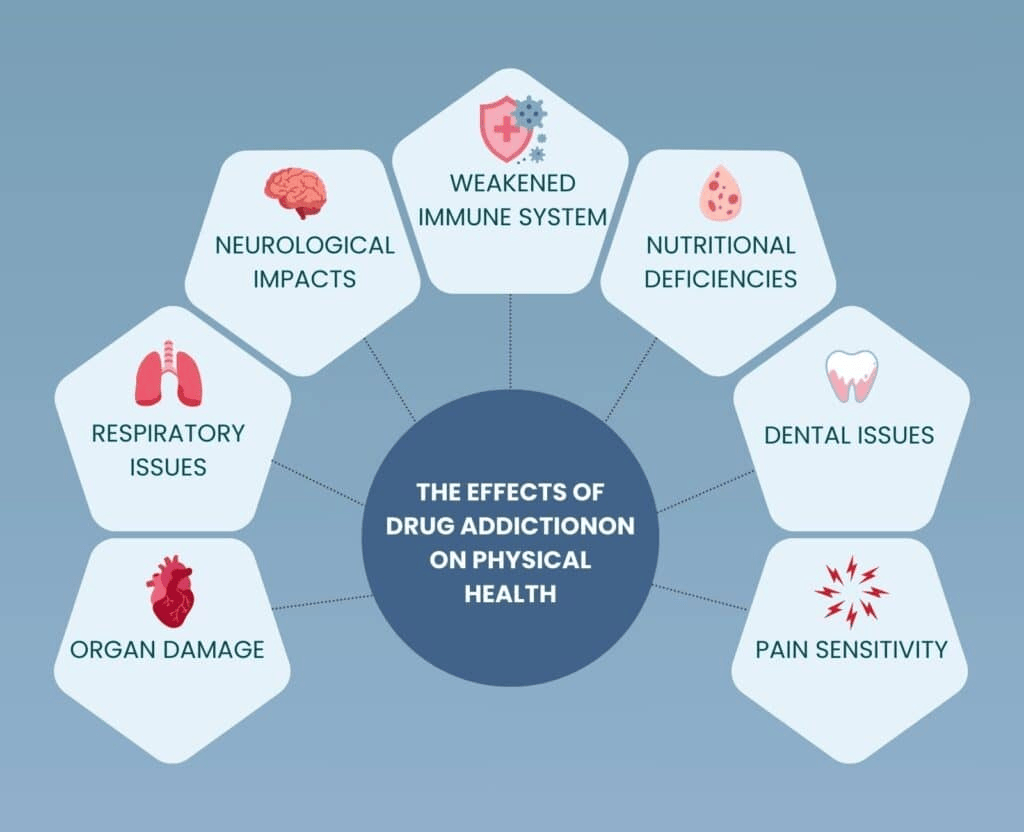
Figure 4: Effects of drug addiction on physical health
(Source: Valleyspringrecovery.com, 2023)
Health Consequences
Substance use, in the first place, has short and long-term adverse effects on health based on the kind of substance and the rate at which one uses substances in his/her constitution (Eske, 2020). The common addictions include alcohol, opioids and stimulants, and their uses can lead to chronic diseases as well as permanent injury to major organs. Alcohol is known to be responsible for most cases of liver diseases, while opioid leads to respiratory depression and mortality from overdose (Skolnick, 2021). Other drugs like cocaine and methamphetamine result in cardiovascular diseases, stroke, and high blood pressure and most users' deaths occur before their due time.
The negative impact on mental health is just as damaging. Cannabis, hallucinogens and amphetamines have been known to cause anxiety, depression, psychosis or similar conditions (Lowe et al., 2019). Such substance abuse can prove disastrous since some patients may have some psychological disorders which make them use the substance to deal with the symptoms and end up making the symptoms worse (Crocker et al., 2021). Many times, drugs become a long-term item, and this results in poor brain functioning, memory problems and poor problem-solving skills (Petrilli et al., 2023). Such effects as nausea, insomnia, paranoia, and a tendency to have extreme moods aggravate the withdrawal symptoms related to substance dependence and raise the chance of relapse during the rehabilitation process.
Social Consequences
The social impacts of drug use can be felt in human relationships, families, and the entire society. Compulsive behaviour causes family conflicts, affecting relationships between partners, parents and their children (Pontillo et al., 2020). People who take drugs as parents are likely to fail in their responsibilities in taking care of their children this leads to child neglect, and most children end up suffering from severe long-term psychological problems. Tobacco, alcohol and other drug dependence have also been associated with features of domestic violence, which makes homes unsafe (Selles, Best and Stewart, 2020).
At the community level, drug-related crimes such as theft, violence, and gang-related incidents foster unsafe communities and put pressure on law enforcement agencies (Lei et al., 2023). A third social impact is homelessness is another impact as addiction results in monetary issues and unemployment. Drug use also brings stigma that makes an individual an outcast by fellow humans, hence denying the individual a chance of getting assistance. Stigma within workplaces and other social settings, schools, and others where drug users interact replicates other forms of prejudice and isolation (Sowden et al., 2023).
Economic Burden
Drug use constitutes a socioeconomic burden and impacts the workers, organizations, healthcare organizations, and nations at large. Taxpayers’ money is used extensively for issues relating to drug-related diseases that present themselves in the form of hospitalization, rehabilitation and psychological support for individuals experiencing an overdose, amongst other conditions (Kedia et al., 2022). Treatments relating to substance use disorders require significant expenditure and are attributable to the low availability of funds to fund other affordable healthcare needs.
In the context of the organization, drug and alcohol abuse leads to absenteeism, poor performance and a high incidence of accidents (Parsley et al., 2022). Working people with an alcohol dependency problem may be dismissed from work, which leads to more financial difficulties. Societies with high levels of substance abuse similarly report high levels of social welfare where substance-dependent individuals are inclined to turn to the government for support on issues such as shelter, food and healthcare, among others (Gómez-Recasens et al., 2018).
The police force and the judiciary also end up paying the cost of all offences associated with drug use (Bacon, 2023). It also noted that imprisonment costs relating to drug offences are high. Many countries have cited that their prisons have been holding more inmates because of the tight laws on drugs. Much of the resources budgeted on policing drug-related crime, monitoring, arrests, confiscation, and court trials are incurred whilst grappling with the vice, and resources could have been well utilized in other areas of security (Mustafa, Malloch and Hamilton Smith, 2020). Their economic cost indicates the importance of changing policy and increasing prevention efforts.
Legal Consequences
Drugs are also prohibited in most countries, mainly the possession, distribution and production of these substances (O’Reilly et al., 2022). People convicted of illicit substances can be jailed, fined, or barred from getting jobs in several places as well as from travelling to other countries. Certain states have set mandatory minimum sentences for drug crimes, which has had the effect of increasing prison population and prison overcrowding, especially among minorities (Parmar, Narasimha and Nath, 2023). Drugs criminalization increases social inequalities and discriminates against disadvantaged stakeholders.
However, drug laws remain stringent across the region, and yet illicit drug markets seem to exist due to the high demand and the high revenues associated with the business (Giommoni et al., 2023). The implementation of drug laws results in the initiative of violence between the police and the drug traffickers that escalates violence in areas of society involved in the selling of drugs (Bussu et al., 2024). Policies of some governments just recently changed to policies that do not include the criminal aspect and focus more on the rehabilitation of individuals due to the reasons that lead them to substance use.
Environmental Consequences
Drugs have severe repercussions in the natural world and the communities where illicit drug crop is grown (Bussu et al., 2024). In this regard, coca production affects the forest cover and timeless economic growth, and opium poppies cause deforestation and degradation of the soil and water resources, impacting the biosphere and productivity of farming land. Illegal drug manufacturing gives out dangerous substances into water sources, polluting lands and affecting the people living there (Samal, Mahapatra and Ali, 2022).
Residues from drug production, which include plastics used in packaging synthetic drugs and discarded drug materials, are dumped in the urban and rural areas. The effects of such substance production and distribution processes on the natural environment are usually not well addressed in substance use and abuse discourses but are essential for developing sustainable solutions (Samal, Mahapatra and Ali, 2022).
The consequences of drug use embrace everyone, groups, societies, nations’ economies, and the natural world. There are cases when people apply drugs in entertaining or medical ways, and the adverse effects of drugs are terrible (Eapen et al., 2024). Such illnesses, social issues, expenses, legal consequences, and environmental deterioration indicate that several perspective issues should be addressed in drug policy and interventional strategies. Substance use demands a multilevel approach to prevention, treatment, and reduction of the harm caused by the substance, as well as policy changes to foster healthy societies (Khan and Barros, 2023).
Criticism and Counterarguments Against Normalisation Theory
Overgeneralization of Drug Use Trends
The study's results depend on selective data that fails to demonstrate the complete collective population, according to Shiner and Newburn (1997). Drug use exists abundantly among specific youth subculture members of urban areas, but evidence shows it does not reflect universal acceptance within diverse social demographics.
Geographical Limitations
Research establishing Normalisation Theory mainly occurred in the North West region of England because youth subcultures exhibited high levels of activity there. Critics point out that study data cannot be generalized because drug usage behaviour demonstrates marked differences between different regional, cultural and economic groups.
Persistence of Anti-Drug Attitudes
According to Shiner and Newburn (1997) the majority of young people continue to view drugs negatively, especially heroin and crack cocaine. The negative perception of hard drugs has not weakened, while these critics believe drug use normalization has occurred.
Failure to Acknowledge Legal and Policy Constraints
Many societies enforce laws against drug use despite ongoing criticism of these policies. Popular views have changed, but numerous people choose not to use drugs because they fear legal ramifications rather than genuine acceptance of drug normalization.
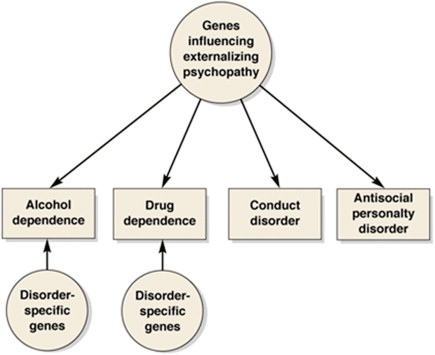
Figure 5: Epidemiology of Drug Abuse
(Source: Weinberg, Lopez and Compton, 2014)
Cannabis remains the most popular illicit drug in most countries, and stimulants such as cocaine and amphetamines are in second place (Evaristo Akerele, 2022). Heroin and prescription painkillers are two of the substances that are still in use despite the disasters they bring, such as high chances of addiction and high chances of overdose (Evaristo Akerele, 2022). New psychoactive substances or synthetic drugs, fentanyl analogues, have also been used lately, raising public health-related problems in different parts of the world.
Global and Regional Trends
Much of drug use is dependent on the availability of drugs, accessibility of the drug user, the amount of law enforcement control over selling and using drugs, as well as the level of society's and the drug user's acceptance and economic status (Blais et al., 2022). Despite that, opioid use remains a major public health challenge, with synthetic opioids, including fentanyl, making a significant contribution to drug-related death, but on a smaller scale than in North America. Nevertheless, since ongoing debates around legalization and medical use have resulted in reducing associated stigma, cannabis use has also been shifting in the perception of both the public and the suppliers (Lashley and Pollock, 2019). More also across Europe, including the UK, and into more people’s lives with rises in the use of cocaine, with a large proportion of the population reporting lifetime or most recent use.
Cannabis is by far the most popular drug in Europe, with growing tolerance in some states for medical and leisure use (Stasiłowicz et al., 2021). New, used substances, including cocaine and MDMA, also have increased those substances meals in nightlife and among young adults. The current use of heroin has been reduced in several of the Western European nations through established measures such as safe injection facilities and OST. In Asia, there is enforcement of strict laws in the use of drugs and a high level of policing (Schlag et al., 2021). Methamphetamine abuse has risen, and more so in the Southeast Asia region, where synthetic drug manufacturing has increased.
Cannabis is among the most commonly used drugs in the United Kingdom, with high growth rates in cultivation and consumptive rates (Anywar et al., 2022). Opioids in all forms — tramadol or prescription drugs — have also become a cause for growing concern due to growing misuse that has been facilitated by affordability and accessibility in some parts of the world. Just as amphetamines (AMPs) also produce very high rates of addiction and social difficulties, especially in young people and urban settings. Like across the world, there is a clear upward trend in cocaine consumption in the UK, particularly among affluent people (Masterton et al., 2022).
Trends by Age and Gender
Juveniles are more prone to engage in drugs than older generations; this engages late adolescence and young adulthood (Willoughby et al., 2021). Consequently, substance usage is associated with communal and recreational environments, and common substances include cannabis, MDMA, and cocaine. However, this first exposure and introduction to the use of drugs dramatically enhances the chances of developing long-term drug dependency (Willoughby et al., 2021).
It is also essential to look into drug use patterns with special reference to gender differences. Male employees are more likely to use illicit drugs than females, but the gap is slightly closing in certain areas. Women who consume drugs are also faced with other issues, such as high incidences of stigma, violence including doormat violence and few treatment centres that take gender-sensitive forms (Perrin, Bertrand and Langlois, 2021).
The 1990s Rave Culture and Associations with Acid and Ecstasy
In paying particular attention to the acids of the 1990s rave culture, drugs such as acid (LSD) and ecstasy (MDMA), the relationship between music and drug use in the 1990s changed. Electronic dance music (EDM) came to be associated with rave events, which take place in underground venues or warehouses or largely open-air festivals and drugs such as ecstasy are widely used to enhance and extend sensory experience, promote feelings of euphoria, and enhance endurance on the dance floor (Saladino et al., 2021). The appeal of ecstasy use among young people was because the surgery of the lights, the beats, and the social bonding were intensified.
Psychoactive substances such as ecstasy have been explored by academic studies as how rave culture created opportunities for the legal use of such substances, helping to standardize clubbing and festival experiences (Motyka and Al-Imam, 2021). In the late 1990s, the Normalisation Theory, focused on the period, is consonant since the use of drugs was perceived as a social inclusion and routinization of nightlife. Yet, with the increased awareness of drug health risks and enforcement actions, ecstasy use came down in the early 2000s (Newson et al., 2021).
The ACCE Profile: Alcohol, Cannabis, Cocaine, and Ecstasy
- The most consumed substance is still alcohol, steeped in social and customs.
- Cannabis is called a 'soft drug' because it is used instead for relaxing and socializing (NIDA, 2020).
- Remember, powder cocaine is associated with nightlife, affluence, and high-energy social settings.
- Electronic music and rave culture are strongly associated with ecstasy, and it is typically taken as an augmentation to emotional and sensory experiences in social settings.
Drug use is context-dependent, and the ACCE profile it tells why drugs are consumed depending on the setting where substances are being consumed. It also indicates how one drug performs a functional social role distinct from another (NIDA, 2020).
Consumption of Alcohol in Movies and Media
It is essential to acknowledge that the media plays a massive role in defining social attitudes toward drug and alcohol consumption. According to Austin et al. (2006), movies, television and advertisements often feature alcohol depicted in a way that glamorizes drinking, downplays the associated consequences, and ascribes alcohol to social success and desirability. Mainstream media depictions of alcohol through alcohol imagery have been shown to have a direct correlation to increased early experimentation and alcohol consumption among young audiences (Mayrhofer and Naderer, 2019).
Celebrity Culture and Drug Use
Celebrities, as role models, often shape the public perception of how they should likewise use drugs—the dual impact of high-profile cases of substance abuse of musicians, actors and sports figures (Hoffman et al., 2017).
Tragically, these include notable figures in the music industry, Amy Winehouse, Kurt Cobain and Mac Miller, as well as those like Snoop Dogg and Wiz Khalifa, who have openly endorsed cannabis use to influence the youth’s attitudes to marijuana use (Hoffman et al., 2017).
Public Attitudes Towards Drug Taking
Trends and movements in public attitudes towards drug use are culturally defined and informed by generational and policy changes (Grant Weinandy and Grubbs, 2021). Support for cannabis decriminalization and medical cannabis use has risen, but attitudes towards hard drugs like heroin and meth are basically negative, according to surveys.
While some people consider recreational drug use to be a matter of personal choice, primarily concerning alcohol and cannabis, others argue that drug misuse infringes on the rights of others and forces the need for tighter legal control (Grant Weinandy and Grubbs, 2021). In recent years, policy discussions have been influenced by changing perceptions of addiction as a public health issue, not a criminal offence.
Government Attitudes Towards Drug Taking
Wherever policy differences exist between government jurisdictions about drug use, no matter where one finds oneself, the UK has traditionally maintained a strict legal approach to drug regulation: drug substances are categorized under the Misuse of Drugs Act 1971 (Department of Health, 2018). Harm reduction policies (extra may be needle swap packages) exist. However, the priority policy has been punitive enforcement, notably for more robust medicines such as heroin and crack cocaine. However, there have been debates in recent years on the issue of drug decriminalization, ly for cannabis, which other countries, such as Portugal and Canada, have taken steps to do (Rego et al., 2021). Government attitude changes with scientific research, public opinion and political pressure.
Conclusion
Drug use is not a single-factor decision but a process that involves several social, psychological, economic and even biological factors. Some people take drugs for medical or fun purposes, but drug abuse has adverse impacts on public health, loved ones, societies, and the nation’s budgets. Drug use is not the same the world over and has tendencies to increase due to accessibility, cultural accommodation, and changes in policies regarding new substances.
Drug use comprises social and economic costs and thus has legal consequences and affects the environment and its resources. Side effects, dependencies, and psychological disorders persist as critical issues, as does the drain on law enforcement and community resources from drug-related crimes, violence, and disruption. The burden experienced in health care facilities as well as the workplace puts additional pressure on the need to have long term long-term approaches to substance use.
References
- Alswedani, S., Mehmood, R., Katib, I. and Altowaijri, S.M. (2023). Psychological Health and Drugs: Data-Driven Discovery of Causes, Treatments, Effects, and Abuses. Toxics, [online] 11(3), p.287. doi:https://doi.org/10.3390/toxics11030287.
- Amaro, H., Sanchez, M., Bautista, T. and Cox, R. (2021). Social vulnerabilities for substance use: Stressors, socially toxic environments, and discrimination and racism. Neuropharmacology, [online] 188(188). doi:https://doi.org/10.1016/j.neuropharm.2021.108518.
- Anywar, G., Kakudidi, E., Tugume, P. and Asiimwe, S. (2022). The Cannabis/Marijuana (Cannabis sativa L.) Landscape in Africa: An Overview of its Cultivation and Legal Aspects. Cannabis/Hemp for Sustainable Agriculture and Materials, pp.297–310. doi:https://doi.org/10.1007/978-981-16-8778-5_10.
- Askitas, N., Tatsiramos, K. and Verheyden, B. (2021). Estimating worldwide effects of non-pharmaceutical interventions on COVID-19 incidence and population mobility patterns using a multiple-event study. Scientific Reports, 11(1). doi:https://doi.org/10.1038/s41598-021-81442-x.
- Bacon, M. (2023). From criminalisation to harm reduction? The forms and functions of police drug diversion in England and Wales. Policing & Society, 34(3), pp.1–19. doi:https://doi.org/10.1080/10439463.2023.2267729.
- Behera, S.S., El Sheikha, A.F., Hammami, R. and Kumar, A. (2020). Traditionally fermented pickles: How the microbial diversity associated with their nutritional and health benefits? Journal of Functional Foods, [online] 70(1), p.103971. doi:https://doi.org/10.1016/j.jff.2020.103971.
- Biolcati, R. and Passini, S. (2019). Development of the Substance Use Motives Measure (SUMM): A comprehensive eight-factor model for alcohol/drugs consumption. Addictive Behaviors Reports, 10, p.100199. doi:https://doi.org/10.1016/j.abrep.2019.100199.
- Blais, E., Brisson, J., Gagnon, F. and Lemay, S.-A. (2022). Diverting people who use drugs from the criminal justice system: A systematic review of police-based diversion measures. International Journal of Drug Policy, 105(13), p.103697. doi:https://doi.org/10.1016/j.drugpo.2022.103697.
- Bullington, B. (2020). America’s Drug War: Fact or Fiction? CRC Press eBooks, pp.107–130. doi:https://doi.org/10.4324/9781003078364-9.
- Bussu, A., Dettori, D.G., Ladu, M.G. and Pulina, M. (2024). Illegal drugs and socio-economic changes in a new pivotal region: a court judgements perspective. Humanities and Social Sciences Communications, [online] 11(1). doi:https://doi.org/10.1057/s41599-024-03889-3.