
Coca-Cola Coconut Milk: Assignment Sample
Evaluation of Product Overview, Market Context, and STP Strategy
- 92650+ Project Delivered
- 1500+ Experts 24x7 Online Help
- No AI Generated Content


INTRODUCTION
Strategic marketing is the implementation of marketing disciplines to achieve corporate objectives by maintaining and creating sustainable competitive advantages. This mainly covers high-level issues, including the markets to target, services to provide, and prices to promote. The report will be based on Coca-Cola; this is a global leader in the industry of beverage (Coca-Cola, 2024). It has focused on the capability to adapt and innovate by taking into account the consumer preferences. Also focusing on the trend based on the combined convenience with the nutritional values. In response to this trend, the organization launched the coconut milk beverage. The beverage aims to line up with the strategic goal of the organization based on diversifying the products with the options of healthy drinks while managing the effective reputation for providing refreshing and high-quality beverages.
This report on Coca-Cola coconut milk provides an in-depth strategic marketing analysis. For students seeking guidance, you can get assignment help online to better understand such case studies.
Part 1: Product Overview & Strategic Context
Coca-Cola coconut milk is a beverage based on the plant made from natural coconut milk which is 100% natural. This is also free from added sugars, preservatives, and flavors. Also refined with important nutrients like Vitamin D, calcium, and potassium, it caters to customers who are looking for lactose intolerant, vegan-friendly, and dairy-free alternatives. The product would be available with sustainable packaging, showcasing the commitment of Coca-Cola to eco-friendliness. Coconut milk is positioned as a suitable and versatile drink for consumption standalone, utilized within the smithies, or can be a major base of baking and cooking. The introduction of the product is developed by major three factors; the international market of coconut milk is growing majorly. The market offers key opportunities to leverage the strengths of the brand. The commitment of Coca-Cola is based on the beverages for life, this includes expanding the offering of products. The report will shed light on the key market trends, competitors, current consumer behaviors, and attributes. Moreover, it will emphasize the STP analysis.
Part 2: Analysis of market context
Coca-Cola should lay more focus on introducing coconut milk with purity because after the period of COVId-19 drastic change has been recorded in the customers preference. Now, customers give more priority to the healthy drink or beverage. Thus, by providing new choices to the health conscious customers Coca Cola can appael at global level and thereby gets desired level of outcome or success. The organization has a product line based on health consciousness and sustainability. Unlike, PepsiCo, this emphasizes the foods based on snacks apart from the beverages. The effective portfolio of Coca-Cola permits the effective integration of natural and pure coconut milk. This aligns with the values of the brand with the global appeal, health and wellness trend, and sustainable commitment. This will offer future benefits in global diversification developing brand perception and revenue growth.
Key market trends: The coconut milk internationally has majorly witnessed growth which is driven by the developing adoption of the diets based on the plants. This also surges the interest of consumers in health-oriented and functional beverages. The growing market is expected to boost the (CAGR) compound annual growth rate from 2023 to 2030 by 14.4%, according to industry reports (CAGR Industries Forecasted, 2024). The major development is credited to awareness based on coconut milk's health benefits. This can include the rich source of the (MCTs) medium chain triglycerides it offers dairy-free alternatives and weight management for individuals who are lactose intolerant.
The major need for less processed, cleanly labeled beverages is offering expansion opportunities. Health-conscious consumers are looking for products that are free from additives artificial and add nutritional value (Aaker and Moorman, 2023). Moreover, the trend related to eco-friendliness within beverage and food production is mainly influencing the decisions of purchasing. The customers are focusing on the brands that are focusing pm the sustainable practices commitment. This includes the utilization of the ingredients which are ethically sourced and biodegradable packaging. The Coca cola's major entry into the market is mainly aligned with the developing trends, extensive network distribution, and a strong reputation to capture the share of the market.
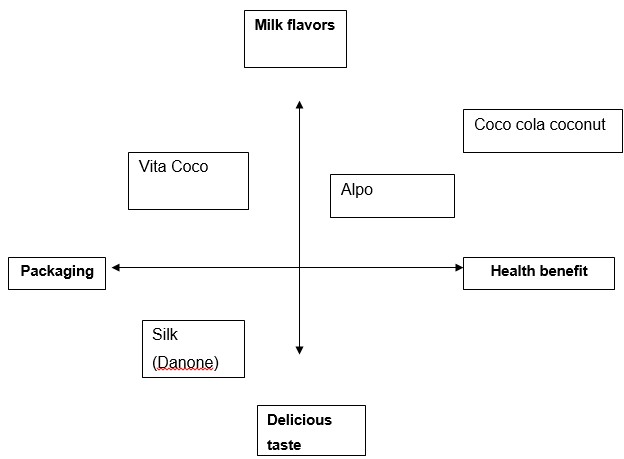
Key competitors and positioning: The market of coconut milk is mainly characterized by the presence of different well-established players.
Vita Coco: the brand is mainly known for its extensive range of beverages based on coconut milk (Vita Coco, 2024). The brand is mainly positioned as the major leader within the wellness and health segment. Vita Coco is focusing on sustainability and natural ingredients have developed an effective consumer base.
cahokoh: The major and dominant player within the market of Asia, this brand is providing products related to coconut milk which is premium canned (Cahokoh, 2024). The major emphasis on the traditional and authentic processing methods mainly attract the food service industry and culinary consumers.
Alpo: The personalizing within the alternatives coconut milk based so the brand is attracting the dairy-free and vegan segment (Alpo, 2024). This has a diverse range of products; this involves frozen desserts, creamers, and coconut milk. It is also positioned as the major and versatile option for the consumers who are health conscious.
Silk (Danone): This is another brand related to Danone, the brand mainly targets the beverage based on the plant market, providing coconut milk as the key aspect of the portfolio (Silk, 2024). Effective marketing focuses on the nutritional benefits, tastes and alignment with the lifestyle.
Coca-Cola coconut milk mainly differentiates the strategy which might capitalize on the brand equity, global reach of coca cola and capability to boost the innovation in the beverage space which is plant-based (Saldanha et al, 2023). By resolving the gaps within the flavour diversity, affordability, and convenience, the Coca-cola might make a compelling the proposition of value.
Positioning map
Current consumer behaviours and attitudes
The attitudes toward the consumer related to the coconut milk are mainly positive, with the individuals who are health conscious. Some individuals are adhering to the major preferences for the dietary developing core market. Key behaviors such as:
Preferences for products plant-based: The developing prevalence related to flexitarian, vegetarianism, and veganism has developed need for alternatives of the dietary (Morgan et al, 2019). This includes the consumers observe coconut milk as the major flavourful, healthy and versatile option.
Emphasise on the health benefits: The consumers look for coconut milk for its nutritional properties, this included being risks within the minerals, vitamins and MNCTs. This is mainly valued for its role within digestive and weight management.
Versatility and convenience: The buyers mainly appreciate the products based on the coconut milk which mainly cater to the different needs. This can include the multi-use packaging, formats based on the ready-to-drink and suitable options for the beverages, baking, and cooking.
Sustainable awareness: Effective ethical consumption which mainly a priority for the different customers. These are mainly developing the attention to the sustainable practices of the brands. This includes the sourcing of the packaging and raw materials.
Main issues and opportunities
Issues
Ethical sourcing: The production related to the coconut is mainly associated with the unsustainable practices of farming and labor exploitation. Resolving the issues would be important for the organization to manage to attract consumers who are ethically conscious and maintain their reputation.
Market saturation: The need is increasing, and the well-established rivals presence such as Silk and Vita Coco need to gain a unique positioning to effectively stand out (Quesenberry, 2020).
Opportunities
Brand leverage: The global presence of the Coca-cola and its developed distribution network offers major competitive benefits, permitting the rapid penetration of the market.
Product innovation: Developing unique favors such as fortified options along with added protein and chocolate coconut milk. These are mainly formats the convenient packaging that can appeal the diverse segments of consumers.
Part 3: Segmentation, targeting and positioning (STP)
The STP strategy (Segmentation, targeting and positioning) is for the coconut milk of the Coco cola. This emphasises understanding the needs, a right segment of the market and positioning coconut milk as the key solution to fulfil the needs.
Segmentation: The segmentation includes parting the broader market into small parts related to the shared characteristics. For the coconut milk of Coca-Cola, the segmentation is utilized:
Demographic segmentation:
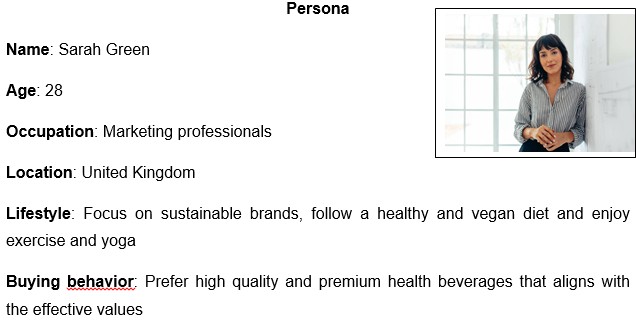
Age: Targeting the millennial that is health conscious include the age of 25 to 40 and the major Gen Z who can adopt the diets based on the plant, age include (18 to 24 years).
Income level: Based on the incomes of the consumers middle to upper who might easily afford the products that are premium (Hansen and Juslin, 2023).
Geographic segmentation:
This mainly emphasized the suburban and urban areas within Asia, Europe, and North America-specific regions. In this, the demand for products based on the health-centric is developing (Huang and Rust, 2021). The effective expansion within the tropical regions in this product based on the coconut is widely consumed and culturally relevant.
Psychographic segmentation:
Lifestyle: Targeting the consumers who are focusing on sustainability, wellness, and fitness.
Values: Customers who mainly value product labeling transparency, environmental sustainability and value effective ethical sourcing.
Behavioural segmentation:
The consumers who are seeking the alternatives are the nutrient-rich, lactose and plant-based (Ferrell et al, 2022). Frequent buyers often buy plant-based and health drinks based on milk products.
Targeting
The coconut milk of the coco cola mainly targets consumers who are health conscious. These are mainly seeking versatile and nutritious beverages based on the plant. The effective segment mainly differentiated via the major emphasis on the environmental consciousness, convenience and health
Target market profile
Positioning
Positioning the Coconut milk mainly includes the go-to option for the plant-based and nutritious beverage. The positioning strategy mainly developed around major benefits:
Sustainability: By making use of ethical sources and sustainable packaging, the pure milk of the coco cola attracts consumers who are environmentally conscious.
Versatility: The brand is positioned as a beverage based on the multifunctional, the coconut milk of Coca-Cola is ideal for utilize in the smoothies, baking, cooking and standalone consumption.
Unique selling proposition (USP):
The coco cola coconut milk: This is mainly refreshment plant-based, also combining the sustainability, versatility and goodness in each sip.
Value proposition: The product mainly provides the main balance of sustainability; taste and nutrition for the consumers who have concern for the planet and health as well (Varadarajan, 2020). Coconut milk can address the issues for finding a beverage that is dairy free, eco-conscious and nutrient rich.
Why does the target need to buy coconut milk
Health benefits: By consuming the pure coconut milk consumers will have advantages from the product because it is natural and lactose free, enriched with nutrients and low in calories. This is creating a healthier option than dairy milk traditionally.
Eco-friendliness: The production which is environmentally friendly and sustainable packaging that can cater to customers who are concerns related to carbon footprint (Key et al, 2023).
Lifestyle compatibility: This is mainly integrated within the daily active routines, individuals focused on health. The consumers whether have in the meal or post workout.
Part 4: Recommended extended marketing mix
The effective extended marketing mix related to the pure coconut milk of the Coco cola combines the services and traditional marketing strategies. This is mainly to make sure about the sustained growth and successful launch of product.
Traditional marketing mix elements
Product
The pure coconut milk of the coco cola is developed as a beverage based on the plant and premium as well. This is mainly aligned with the sustainability trends and current health.
Branding: Pure coconut milk would focus on international brand equity to develop credibility and trust. The effective branding would focus on sustainability, wellness and health via the packaging design modern and clear logo. The major tagline is Natural and pure nutrition, it boosts the unique selling proposition of the product.
Packaging: The product would feature the sustainable packaging based on the Tetra Pak which is sourced from the materials of eco-friendly and recyclable (Mustak et al, 2021). The effective packaging design would utilize the coconut visuals and earthy tone to attract consumers who are health conscious.
Service quality: The coconut milk of the coca cola would make sure about quality, freshness, and consistent taste via ongoing quality checks and developed production methods.
Pricing strategy
The coca cola’s pricing strategy is mainly premium but this is competitive also to reflect the unique benefits and quality.
Pricing penetration for the launch: At the starting point the pricing would be lower than the rivals such as Vita coco to develop the market share and trial. The introductory pricing would be stay for the initial 6 months.
Value based pricing: After the phase of launch, The pricing would showcase the perceived value of product focusing on the brand reputation, sustainable credential and nutritional benefits.
Promotions and bundling: By providing different discounts for the various packs and combining the different healthy beverages with the product to boost sales (Grewal and Levy, 2022).
Promotional strategy
The promotional campaigns would emphasise on building loyalty, engaging consumers and increasing awareness.
Traditional media: The print ads and television would target the suburban and urban audience; it showcases the sustainability benefits and health of product.
Digital media: The social media marketing via platforms such as YouTube, Tik Tok and Instagram would host the effective campaign. This is mainly featuring the influencers within the wellness and health space. The videos recipes and blogs highlight the product’s versatility within the desserts, cooking and smoothies. Email marketing focused on the customized campaigns (Buccieri, et al, 2023). This can be for the subscribers who are health conscious and looking for a healthy beverage.
Sponsorship and events: The wellness and sponsor heath events, includes the shows based on plant-based cooking, yoga retreats. This can boost the brand associate along with the lifestyle of target consumers.
Channel and distribution strategy
The Coconut milk would use the vast network of distribution to gain widespread availability. The retail distribution, the products can be available within health food stores, grocery chains and convenience stores. The placement within the wellness and health aisle mainly line up with the perception of the customers. Via the E-Commerce the effective presence within the platforms, includes including consumer website of Coca-Cola, Wal-Mart and Amazon.
Services marketing mix aspects
Process: The process strategy which mainly emphasises on the making sure about a positive and seamless experience for consumers. By utilising the developed manufacturing facilities can manage the quality of product and also make sure about the timely delivery. Make the online platforms for providing the easy navigation, buying the coconut milk, secure options of payment, and customised recommendations.
Physical evidence: Physical evidence of the pure coconut milk would focus on the commitment of brand to the sustainability and quality as well (Doole et al, 2019).
Essential evidence: The sustainable and high-quality packaging with the certification and nutritional labeling. This includes vegan and organic products. QR codes on the each product packaging which mainly directing the customers to product’s webpage, sustainability initiatives, and health benefits.
Peripheral evidence: Products which are lifestyle emphasised showcased within the stores, this is focusing on wellness and health (Lim et al, 2023). The branded merchandise can include tote bags and reusable bottle themed of coconut to boost the brand visibility.
Service scape: By developing the visual appealing within the displays in store and kiosks along with the design which is tropical. Thos can evoke purity and freshness, developing shopping experiences of the consumers.
People
The success of pure coconut milk depends on the both strategies of consumer engagement and internal employees.
Employee engagement: The employee engagement based on the teams of consumer service and trains sales to commitment the unique features and benefits of the products. This is mainly aligns with the values of employees with the mission of sustainability to make sure about the authentic representation.
Role of consumer: Motivating the consumers to join the value creation via offering recipe ideas, reviews and feedback on effective digital platform. By offering the loyalty programs which can focus on the sustainable actions and reward the purchased on repeat. This also includes the recyclable packaging returning.
Relationship marketing challenges: By resolving the potential scepticism related to the alignment of coco cola with the sustainability and health via making sure about the consistency within the messaging and transparency (Olson et al, 2021). Managing the relationship of the consumers based on the long term via social media engagement and responsive services for consumers.
By effectively combining the elements of the marketing and traditional mix, the coconut milk of the coco cola might smoothly capture the loyalty and attention of the consumers who are health conscious.
Part 5: Discussion of implementation issues
Implementation of the coconut milk of coco cola’s marketing strategy includes the resource allocation, resolving the coordination and internal marketing. This can make sure about the seamless execution.
Coordination among departments
The efficient coordination between the departments play a major role for the ongoing management and successful launch of pure coconut milk of coco cola.
Cross functional collaboration
Product development and marketing: The effective and close collaboration can make sure about the accuracy of the promotional campaigns. This mainly reflects the benefits of the product which includes the health and sustainability.
Distribution and sales: Effectively aligning marketing efforts with the distribution strategies play a major role to make sure about the availability of product in channels identification (Papadas et al, 2019). This mainly involves the channels of on the go such as cafes, gyms, e-commerce platforms and retail stores.
IT and consumer services: These departments’ needs to offer support within the different digital platforms. Through making sure about the maintaining loyalty programs, managing the consumer inquires and smooths online shopping experience.
Project management: The team of project management need to oversee the effective product launch to effectively coordinate tasks which are interdepartmental track the milestones and reduce delays. The effective tools such as software of project management (Trello and Asana) might offer help in managing the accountability and transparency.
Role of internal marketing
The internal marketing carries major role within aligning the brand vision and active participation of the workers within gaining the objectives of strategy.
Employee engagement and training: Employees, mainly within roles of consumer facing, need to be effectively trained to easily understand target audience and unique selling point of product. The ongoing updates and workshops might offer help in managing the alignment with the effective strategy of marketing.
Communicating brand values: The Coca cola needs to internally focus on the sustainability and health aspects of the coconut milk (He and Harris, 2020). This is developing the sense of ownership and pride between the workers. Rewarding and recognising the contribution of the workers might increase performance and morale.
Resource and capabilities
Organizational capabilities and adequate resources are important for the applying effective marketing strategy.
Financial resources: Allocating the budgets which is sufficient for the promotional campaign, packaging design, advertising and research plays a major role. The plan based on the financial need to cover updates of the infrastructure to manage the methods of sustainable production.
Technological capabilities: The developed quality and manufacturing control systems mainly are needed to make sure about the sustainability and consistency of product. The effective digital tools for the CRM (Consumer relationship management) and data analytics are important for the refining tactics of marketing and tracking behaviour of consumer.
Human resources: The skilled and talented marketing professionals mainly required to maintain the digital platforms and creative campaigns (Perreault Jr et al, 2021). Additional personnel might be needed for the sustainable sourcing practices and optimisation of supply chain.
Potential challenges
Departmental silos: The collaboration lack and miscommunication among the teams can affect implementation. The ongoing interdepartmental meeting might increase the risks.
Resource constraints: Insufficient workforce and limited budgets needed the contingency plans, delay the initiatives and focus on the key actions (Elliott et al, 2023).
Cultural resistance: workers can resist the change related to the health focused and sustainability branding. The initiatives of the internal marketing should resolve the proactively.
CONCLUSION
Market of coconut milk showcases substantial growth and dynamics environmental potential. By resolving the concerns related to the ethical, innovation to fulfil the meet the developing preferences, using the brand equity. The Coco cola might position the coconut milk as the leader within the competitive market. Via addressing and indentifying demand of the market, coconut milk can be well positioned to be a leader within the developing industry of the plant based beverage. The elements of the extend marketing and traditional marketing. The product might efficiently caput the loyalty and attention of the consumers who are health conscious. The coco cola can make sure about the marketing strategy implementation, reducing the impacts of the pure coconut milk within the target market.
REFERENCES
Books and journals
- Aaker, D.A. and Moorman, C., 2023. Strategic market management. John Wiley & Sons.
- Buccieri, D., Javalgi, R.R.G. and Gross, A., 2023. Innovation and differentiation of emerging market international new ventures the role of entrepreneurial marketing. Journal of Strategic Marketing, 31(3), pp.549-577.
- Doole, I., Lowe, R. and Kenyon, A., 2019. International marketing strategy: analysis, development and implementation. Cengage Learning.
- Elliott, G., Rundle-Thiele, S., Waller, D., Bentrott, E., Hatton-Jones, S., Jeans, P., Anandappa, S.J. and Campbell, P., 2023. Marketing. John Wiley & Sons.
- Ferrell, O.C., Hartline, M.D. and Hochstein, B.W., 2022. Marketing strategy: Text and cases. Cengage Learning, Inc.
- Grewal, D. and Levy, M., 2022. Marketing. McGraw-Hill.
- Hansen, E. and Juslin, H., 2023. Strategic marketing in the global forest industries.
- He, H. and Harris, L., 2020. The impact of Covid-19 pandemic on corporate social responsibility and marketing philosophy. Journal of business research, 116, pp.176-182.
- Huang, M.H. and Rust, R.T., 2021. A strategic framework for artificial intelligence in marketing. Journal of the Academy of Marketing Science, 49, pp.30-50.
- Key, T.M., Keel, A.L., Czaplewski, A.J. and Olson, E.M., 2023. Brand activism change agents: strategic storytelling for impact and authenticity. Journal of strategic marketing, 31(7), pp.1339-1355.
- Lim, W.M. and Weissmann, M.A., 2023. Toward a theory of behavioral control. Journal of Strategic Marketing, 31(1), pp.185-211.
- Morgan, N.A., Whitler, K.A., Feng, H. and Chari, S., 2019. Research in marketing strategy. Journal of the Academy of Marketing Science, 47, pp.4-29.
- Mustak, M., Salminen, J., Plé, L. and Wirtz, J., 2021. Artificial intelligence in marketing: Topic modeling, scientometric analysis, and research agenda. Journal of Business Research, 124, pp.389-404.
- Olson, E.M., Olson, K.M., Czaplewski, A.J. and Key, T.M., 2021. Business strategy and the management of digital marketing. Business horizons, 64(2), pp.285-293.
- Papadas, K.K., Avlonitis, G.J., Carrigan, M. and Piha, L., 2019. The interplay of strategic and internal green marketing orientation on competitive advantage. Journal of Business Research, 104, pp.632-643.
- Perreault Jr, W.D., Cannon, J.P. and McCarthy, E.J., 2021. Essentials of marketing: A marketing strategy planning approach. McGraw-Hill.
- Quesenberry, K.A., 2020. Social media strategy: Marketing, advertising, and public relations in the consumer revolution. Rowman & Littlefield.
- Rejeb, A., Rejeb, K. and Treiblmaier, H., 2023. How augmented reality impacts retail marketing: A state-of-the-art review from a consumer perspective. Journal of Strategic Marketing, 31(3), pp.718-748.
- Saldanha, N., Mulye, R. and Rahman, K., 2023. Cancel culture and the consumer: A strategic marketing perspective. Journal of strategic marketing, 31(5), pp.1071-1086.
- Varadarajan, R., 2020. Customer information resources advantage, marketing strategy and business performance: A market resources based view. Industrial Marketing Management, 89, pp.89-97.